.
Artikel Peternakan
0 min read

.

06 November 2025
4 months ago
.
Share Article

Predator Rubber Team

Our expert team is dedicated to providing quality information about livestock farming and animal welfare.

Expert in Animal Welfare & Quality Products

Related Articles

A Commonly Overlooked Breeder Mistake: Cage Floors That Are Too Slippery

A Commonly Overlooked Breeder Mistake: Cage Floors That Are Too Slippery

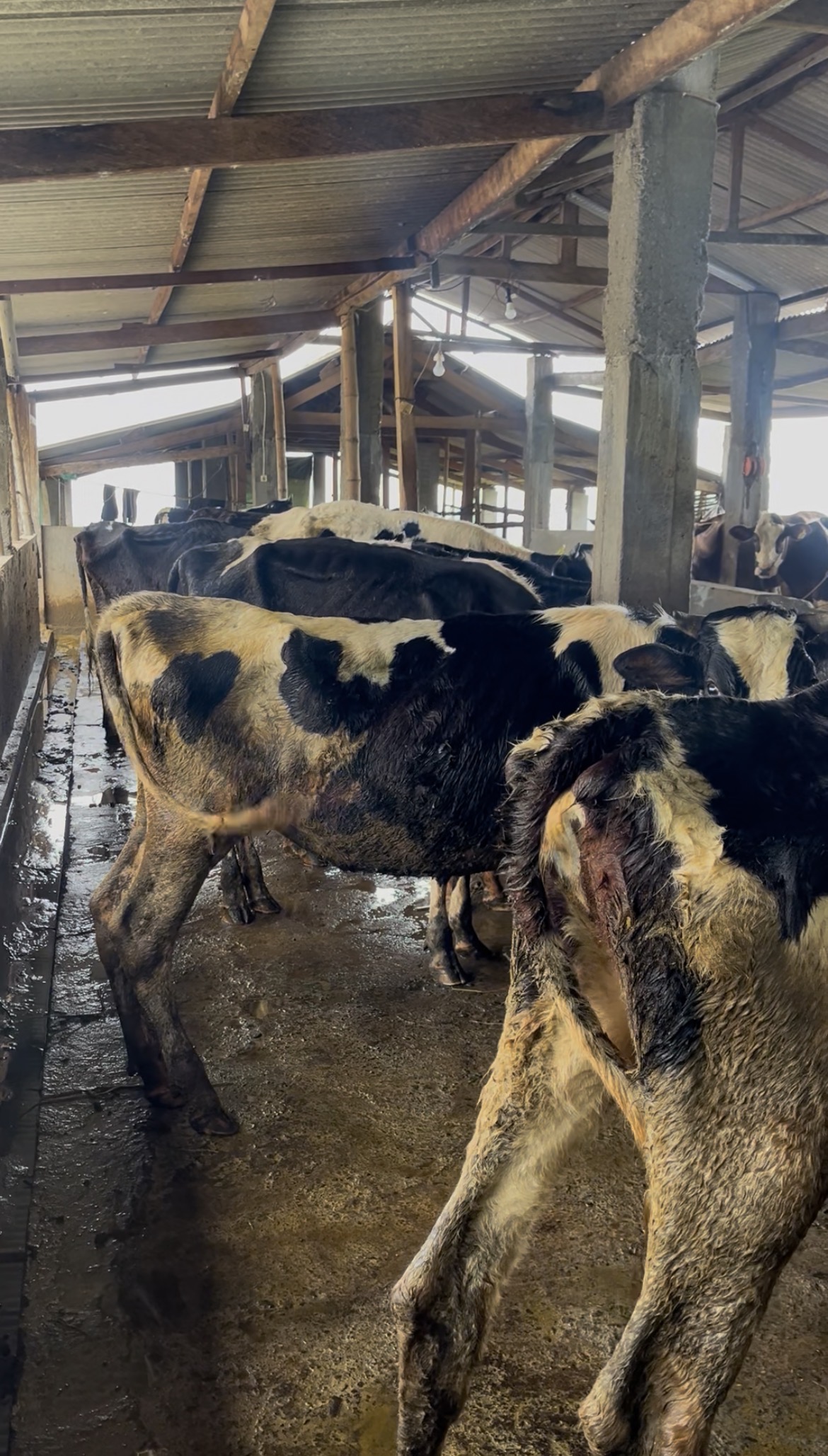
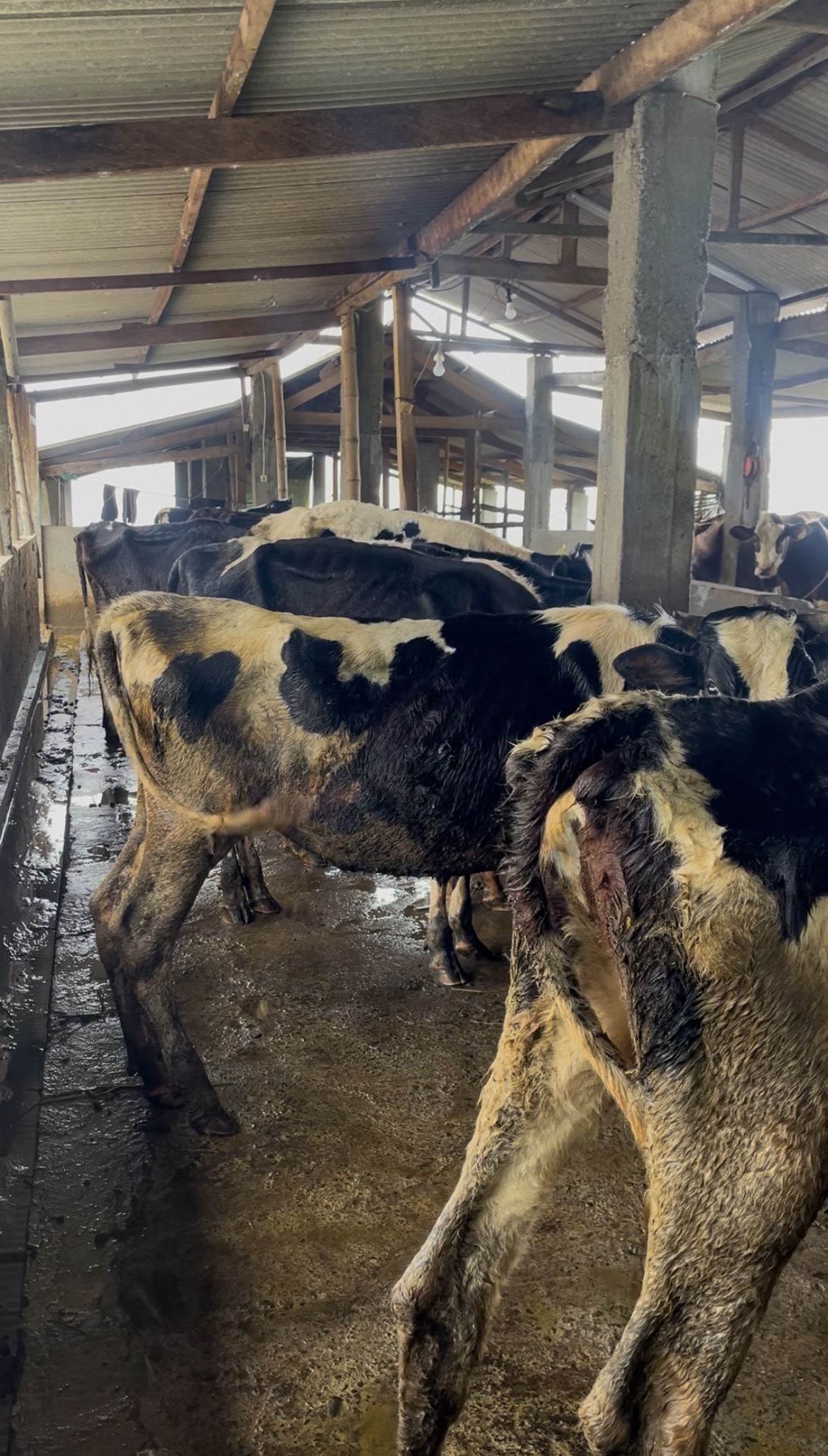
Many farmers focus on cattle feed and health, but often forget about the condition of the barn floor. However, floors that are too slippery can be a major cause of stress, injury, and even difficulty standing comfortably.Therefore, the use of cow shed rubber carpet started to become the choice of many modern breeders to improve the safety and comfort of livestock.The Impact of Slippery Cage FloorsCattle are heavy animals that require stable footing every day. Slippery stall floors increase the risk of slipping, especially when the stall area is wet or contaminated with manure.This condition can cause:- Wounds on cow's legs- The cow had difficulty standing.- Decreased appetite- Stress in livestock- Cow activity becomes uncomfortableIn the long term, poor cage conditions can also affect livestock productivity.Solution with Anti-Slip Cow CarpetOne of the solutions that is widely used today is the installationanti-slip cow carpet.Rubber mats help create a more stable and comfortable footing for cows.Besides reducing the risk of slipping, rubber mats also help reduce pressure on cows' feet when standing for too long.Advantages of Rubber Carpets for CagesHere are some reasons why many farmers are starting to use cow shed carpet:1. Safer Surfaces    The anti-slip texture helps cows move more stably in the pen.2. More Comfortable for Livestock    The rubber material feels softer than regular cement floors.3. Durable and Strong    Quality carpets have high resistance to heavy loads.4. Easy to Clean    Cage maintenance becomes more practical and efficient.5. Suitable for Various Types of Cages    Can be used for beef cattle and dairy cattle pens.Small Investment for Big ImpactSome farmers still consider cow mats a mere addition. However, comfortable barn facilities can help maintain optimal livestock conditions.Use quality cowhide rubber carpetIt's not just about comfort, but also a step towards creating a safer, more modern and more efficient livestock system.

Read More
Digitalizing Dairy Farms: From Wearable Sensors to AI Monitoring

Digitalizing Dairy Farms: From Wearable Sensors to AI Monitoring

Digital transformation is reshaping the dairy industry, shifting daily operations from manual work to a more precise and efficient system. Technologies like wearable sensors, AI-powered cameras, and app based monitoring platforms can now track a cow’s daily activit, from feeding patterns, heat detection, movement levels, body temperature, even predicting metabolic issues before symptoms appear. Systems such as Automatic Milking Systems (AMS) can analyze milk quality in real time, enabling farmers to make faster and more accurate decisions. According to FAO, precision livestock farming can improve feed efficiency by up to 25% and significantly reduce disease incidence.Digitalization doesn’t always require expensive investment. Simple tools such as automated temperature readers, digital record keeping, or barn CCTV enhanced with AI analytics can already boost productivity and animal welfare. For many farmers who were initially hesitant, technology has proven to lighten workloads and optimize outcomes without drastically changing their routines. Ultimately, digitalization is not just a trend but a new foundation for modern dairy farming, for a more accurate, more efficient, and more sustainable.

Read More
Daily Checklist for Dairy Farmers to Maintain Stable Production

Daily Checklist for Dairy Farmers to Maintain Stable Production

Stable milk production does not happen by chance, but through consistent daily routines. One of the most important daily checks is cow health. Changes in appetite, behavior, or udder condition often indicate early health issues that need prompt attention.Barn hygiene should also be a daily priority. Dry floors, proper drainage, and clean milking areas help reduce the risk of milk contamination and disease. Simple cleaning routines performed daily are far more effective than infrequent deep cleaning.Feed and water management must be monitored every day. Dairy cows require constant access to clean water and consistent rations to maintain stable rumen function. Checking feed leftovers can also help evaluate whether the ration meets the cows’ needs.Milking procedures should be carried out correctly and at consistent times. Pre- and post-milking teat checks, along with clean milking equipment, strongly influence milk quality. With a simple but disciplined daily checklist, farmers can maintain cow health, milk quality, and long-term production stability.

Read More
Cows Often Slip? Don't Take It Lightly

Cows Often Slip? Don't Take It Lightly

Many farmers focus on feed and vitamins, but forget one crucial aspect: the condition of the barn floor. Slippery floors can be a major cause of cow stress, injury, and even loss of productivity.Why Do Cows Slip Easily?Wet, hard, and slippery barn floors make it difficult for cows to walk. This is especially true given their heavy body weight. One slip can have serious consequences:- Sore or swollen feet- Difficulty standing- Decreased appetite- Milk production or weight also decreases- Increased risk of infectionMany cases of cows appear healthy at first, but after being injured by slipping, their condition slowly declines.Impacts That Farmers Often Don't RealizeInjuries to cattle aren't just physical. Cows in pain are more prone to stress. As stress increases, productivity suffers.In dairy cows, milk production can decrease. Meanwhile, in fattening cows, weight gain slows because the cows are less likely to move and eat.Losses like this often come slowly so that many farmers are unaware that the source of the problem comes from the floor of the cage.A Simple Solution That Is Starting to Become Widely UsedNowadays, many farmers are starting to use cow shed carpets as additional flooring to help reduce slipperiness on the floor.Cage carpets help:- Reducing the risk of cows slipping- Makes the footing more comfortable- Reduce pressure on the cow's legs- Helping to keep the barn clean- Make the cage more durable and neatA comfortable cage does not mean luxurious, but safe for livestock every day.Modern Farmers Begin to Prioritize Livestock ComfortModern animal husbandry focuses not only on livestock numbers but also on the comfort and health of the cows. Comfortable cows tend to be healthier and more productive.Small things like repairing the floor of the cage often have a big impact in the long run.ConclusionCow slips are no small matter. A minor injury can escalate into a major loss if not prevented early. Therefore, it's crucial for farmers to pay attention to the condition of their pens, especially the floor, which is used daily.A safe and comfortable pen helps maintain cow health, increases productivity, and optimizes livestock farming efforts.

Read More
Link copied successfully!