Digitalizing Dairy Farms: From Wearable Sensors to AI Monitoring
12 December 2025
5 months ago
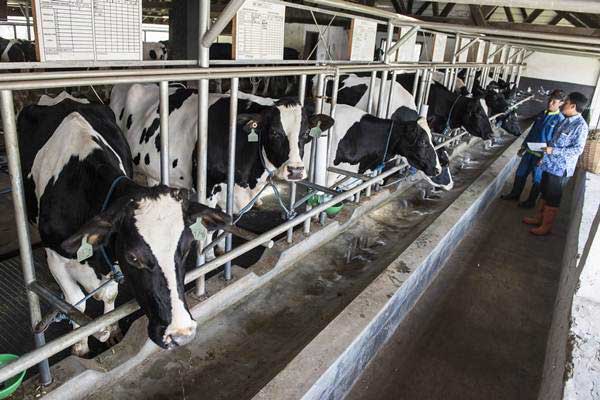
Digital transformation is reshaping the dairy industry, shifting daily operations from manual work to a more precise and efficient system. Technologies like wearable sensors, AI-powered cameras, and app based monitoring platforms can now track a cow’s daily activit, from feeding patterns, heat detection, movement levels, body temperature, even predicting metabolic issues before symptoms appear. Systems such as Automatic Milking Systems (AMS) can analyze milk quality in real time, enabling farmers to make faster and more accurate decisions. According to FAO, precision livestock farming can improve feed efficiency by up to 25% and significantly reduce disease incidence.
Digitalization doesn’t always require expensive investment. Simple tools such as automated temperature readers, digital record keeping, or barn CCTV enhanced with AI analytics can already boost productivity and animal welfare. For many farmers who were initially hesitant, technology has proven to lighten workloads and optimize outcomes without drastically changing their routines. Ultimately, digitalization is not just a trend but a new foundation for modern dairy farming, for a more accurate, more efficient, and more sustainable.
Our expert team is dedicated to providing quality information about livestock farming and animal welfare.
Expert in Animal Welfare & Quality Products
Related Articles
Common Mistakes Beginner Farmers Make in Barn Management
Many beginner farmers still see barns merely as shelters, even though proper barn management plays a major role in livestock health and productivity. One of the most common mistakes is poor hygiene. Wet floors, clogged drainage, and irregular cleaning increase the risk of diseases, especially mastitis and hoof problems.Another frequent issue is inadequate ventilation. Poor air circulation creates humid and hot conditions that cause heat stress, reduce feed intake, and negatively affect milk production. Insufficient lighting can also limit cow activity and comfort, particularly in enclosed housing systems.Improper barn layout is another challenge. Limited space between cows, poorly positioned feeding areas, and uncomfortable flooring can lead to stress, injuries, and infections. Over time, these conditions reduce performance and increase maintenance costs.Good barn management does not have to be expensive, but it requires consistency and basic knowledge. By maintaining cleanliness, proper airflow, and cow comfort, beginner farmers can establish a healthier and more sustainable dairy operation.
Does Your Cage Smell Quickly? Here Are the Causes and How to Fix It
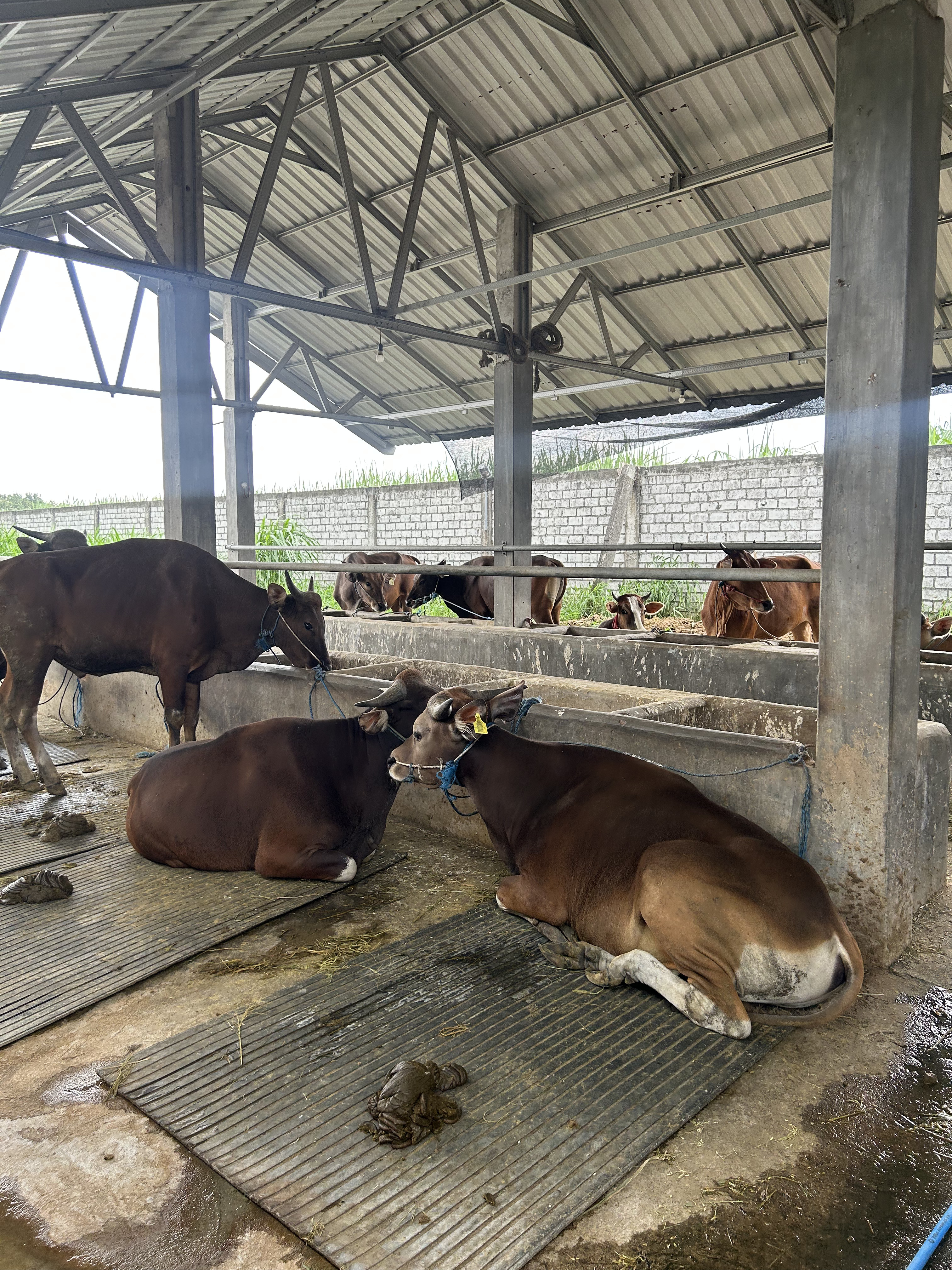
A smelly pen is often considered normal, but it can actually reduce livestock performance. The pungent odor usually comes from ammonia gas caused by urine settling on the floor surface.This problem often occurs in sheds with poor drainage and floors that absorb liquids.Causes of Smelly Cow ShedsSome of the main factors:- The drainage system is not running smoothly- The floor of the cage has no slope- Urine absorbent surface- Cleaning is not optimal- Poor ventilationA humid environment promotes bacterial growth and increases ammonia levels. If left untreated, cows can experience mild respiratory distress and environmental stress.Impact on ProductivityCows living in pens with poor air quality tend to:- Decreased appetite- Easily stressed- Prone to nail infections- Suboptimal growthThe long-term solution is not just cleaning more often, but improving the system.modern cow shed floor which does not absorb liquid and supports drainage flow.A clean and odor-free cow shed creates a healthier working environment while increasing the efficiency of the livestock business.A dry, odor-free pen significantly impacts the cows' comfort and appetite. A floor system that doesn't absorb liquids and is easy to clean, such asPredator Cow Carpet, cage hygiene management becomes more efficient and the risk of ammonia odor can be significantly reduced. It's time to switch to a more modern and hygienic cage system.
Strengthening the Capacity of Local Farmers: The Key to Sustainable Meat and Milk Self-Sufficiency in Indonesia
Strengthening the capacity of local livestock farmers is the main foundation for achieving sustainable meat and milk self-sufficiency through comfortable housing, modern management, and appropriate technology. Self-sufficiency in meat and milk is a major goal of the Indonesian people in building national food security. However, achieving this target cannot rely solely on import policies or increasing livestock populations. A crucial factor that is often overlooked is strengthening the capacity of local farmers as the main actor in the field.Local farmers play a strategic role in the national meat and dairy production chain. Unfortunately, many farmers still face limitations in knowledge, production facilities, and access to technology. Without continuous capacity building, consistent meat and dairy self-sufficiency will be difficult to achieve.Local Farmers as the Foundation of Self-SufficiencyThe majority of livestock production in Indonesia comes from smallholder farms. This means that the success of the program meat self-sufficiency and milk self-sufficiency. It depends heavily on the readiness and capabilities of local farmers. Strengthening the capacity of farmers isn't just about increasing livestock numbers, but also includes:- Understanding farm management efficient- Safe and comfortable cage management- Prevention of livestock injuries and diseases- Optimizing productivity without sacrificing livestock welfareFarmers who have adequate capacity will be more adaptive to change, more efficient in operations, and more sustainable in the long term.Comfortable Housing: A Critical Factor in Livestock ProductivityOne crucial aspect of improving livestock capacity is the quality of the pens. Slippery, muddy, or unhygienic pens can cause stress, injury, and even death. These conditions directly reduce meat and milk productivity.Education about comfortable and safe housing is the first step towards modern livestock farming. Using proper bedding, a good drainage system, and livestock-friendly housing materials has been proven to:- Reducing the risk of cows slipping- Reducing the number of injuries and illnesses- Improve livestock comfort and performanceThis is where the role of simple yet effective technology-based solutions becomes crucial.Predators and the Commitment to Building Sustainable LivestockAs a brand born from the needs of livestock breeders, Predator is present not only as a product provider, but also as an educational partner for local farmers. Predator believes that sustainable farming starting from a comfortable pen and prosperous livestock.Through innovative, high-quality rubber cage bedding, Predator helps farmers create safer, more hygienic, and more durable cage environments. This solution helps farmers increase productivity while reducing the risk of losses due to livestock injuries.Moreover, Predator consistently promotes farmer education through practical content and information so that Indonesian farmers can move up a class and compete sustainably.Towards an Independent and Competitive Livestock FarmStrengthening the capacity of local livestock farmers is a long-term investment for the nation. When farmers are equipped with the right knowledge, technology, and support, they can not only increase production but also maintain environmental and economic sustainability.Collaboration between farmers, industry, and other stakeholders is key to building a strong national livestock ecosystem. With empowered farmers, Indonesia has a significant opportunity to achieve self-sufficiency in meat and milk independently and sustainably.Self-sufficiency in meat and milk will not be achieved without strong local livestock farmers. Through capacity building, improved livestock management, and the implementation of appropriate housing technology, Indonesian livestock farmers can become a key driver of national food security. Predator is committed to continuing to be part of this journey, assisting farmers towards more advanced, safe, and sustainable livestock farming.
Strategy to Increase Cattle Weight Faster with the Right Pen
In modern animal husbandry, increasing cattle weight isn't just about feed. Many farmers still focus on concentrates and forage, but overlook another important factor:pen. In fact, a comfortable pen has a major impact on the growth and health of cattle.Stressed cattle will experience decreased appetite and suboptimal metabolism. Stress can originate from hard, slippery, or muddy pen floors. Therefore, the use of cow rugs is one of the solutions that is starting to be implemented by many progressive breeders.Why Does a Comfortable Cage Affect Weight?Comfortable pens help cows:- Lie down more often and relax- Reduces foot and joint injuries- Maintaining body hygiene- Reduce the risk of nail diseaseWhen cows feel comfortable, more of the energy from feed will be converted into meat, rather than wasted on fighting environmental stress.The Role of Cow Carpets in Modern Shelter SystemsConcrete floors are strong and durable, but they are hard surfaces. Over time, this can cause injury to cows' feet.cow rug functions as a bearing.Advantages of using cow rugs:- Soft and non-slip surface- Reduce floor humidity- Easy to clean- Durable and strong enough to support heavy cattleMany farmers report improved livestock performance after changing their flooring systems. Furthermore, healthcare costs also tend to decrease.The Ideal Size of a Cow CarpetElectioncow carpet sizeThe size of the pen must be adjusted to the type of pen and the weight of the cattle. For large adult cattle, ensure it's large enough for standing and lying down. Avoid making it too small, as this can reduce its effectiveness.Investing in a coop is not just an expense, but a long-term strategy to increase productivity.Modern farming isn't just about feeding as much as possible. A comfortable environment is key to success. With well-organized pens and the proper use of cow mats, cattle growth can be optimized.If you want maximum results, start evaluating your barn conditions today. Because comfortable cows equal maximum weight.
Recognize the Signs of Healthy Cows from Their Behavior in the Pen
Assessing cattle health doesn't always require a veterinary examination. Farmers can actually observe early signs of cattle health simply from their daily behavior in the barn.Healthy cows will exhibit consistent activity patterns. Conversely, subtle changes in behavior can be an early sign of a problem.1. Stable AppetiteHealthy cattle have a good and consistent appetite. If a cow starts to reduce her feed intake or appears reluctant to eat, it could be an indication of stress or a health problem.A comfortable barn environment helps maintain a stable appetite. Cattle that are not stressed tend to consume feed more optimally.2. Enough time to lie downHealthy cows typically have sufficient time to lie down each day. Lying down helps restore energy and maintain body balance.If cows rarely lie down, the floor of the barn may be too hard, slippery, or damp. These conditions make it uncomfortable for the cows to rest.3. Active and Stable MovementPay attention to how the cow walks. Healthy cows move steadily, don't limp, and don't appear to be in pain when standing. Leg problems often stem from poor barn flooring.Usage Predator cow rug helps create a safer footing and reduces the risk of foot injury.4. Clean and Not Dull FurA cow's health is also reflected in the condition of its coat. A clean, matted coat indicates good barn management. An environment that is too humid or smelly can affect the physical condition of the cattle.5. Calm and Uneasy BehaviorHealthy cows tend to be calmer. If a cow appears restless, frequently shifts position, or is easily startled, there may be environmental factors causing discomfort.A dry, non-slippery, and well-ventilated pen helps keep livestock calm.Health Starts from the EnvironmentMost indicators of cattle health are closely related to barn conditions. Comfortable barn floors, good hygiene, and proper management are the key foundations.Predator is here to help Indonesian farmers create more comfortable cattle pens and support the overall health of their livestock.By understanding the daily behavior of cattle, farmers can detect problems more quickly and maintain maximum productivity.