Strategy to Increase Cattle Weight Faster with the Right Pen
09 March 2026
2 months ago
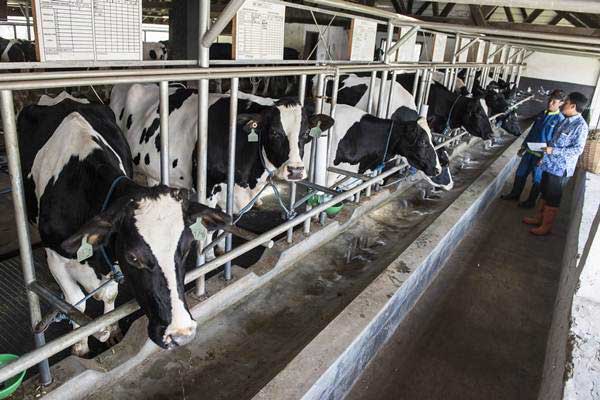
In modern animal husbandry, increasing cattle weight isn't just about feed. Many farmers still focus on concentrates and forage, but overlook another important factor:pen. In fact, a comfortable pen has a major impact on the growth and health of cattle. Stressed cattle will experience decreased appetite and suboptimal metabolism. Stress can originate from hard, slippery, or muddy pen floors. Therefore, the use of cow rugs is one of the solutions that is starting to be implemented by many progressive breeders.
Why Does a Comfortable Cage Affect Weight? Comfortable pens help cows: - Lie down more often and relax
- Reduces foot and joint injuries
- Maintaining body hygiene
- Reduce the risk of nail disease When cows feel comfortable, more of the energy from feed will be converted into meat, rather than wasted on fighting environmental stress.
The Role of Cow Carpets in Modern Shelter Systems Concrete floors are strong and durable, but they are hard surfaces. Over time, this can cause injury to cows' feet.cow rug functions as a bearing.
Advantages of using cow rugs: - Soft and non-slip surface
- Reduce floor humidity
- Easy to clean
- Durable and strong enough to support heavy cattle Many farmers report improved livestock performance after changing their flooring systems. Furthermore, healthcare costs also tend to decrease.
The Ideal Size of a Cow Carpet Electioncow carpet sizeThe size of the pen must be adjusted to the type of pen and the weight of the cattle. For large adult cattle, ensure it's large enough for standing and lying down. Avoid making it too small, as this can reduce its effectiveness. Investing in a coop is not just an expense, but a long-term strategy to increase productivity.
Modern farming isn't just about feeding as much as possible. A comfortable environment is key to success. With well-organized pens and the proper use of cow mats, cattle growth can be optimized. If you want maximum results, start evaluating your barn conditions today. Because comfortable cows equal maximum weight.
Our expert team is dedicated to providing quality information about livestock farming and animal welfare.
Expert in Animal Welfare & Quality Products
Related Articles
Lameness in Cows Is Not a Trivial Problem: Here's How It Impacts Farmers' Profits
Many farmers consider lameness in cattle to be a minor problem that will resolve itself. However, a single cow with leg problems can cause significant losses, both directly and indirectly.The problem is, limping cows often appear due to less than ideal conditions in the pen, especially the floor.Decreased Appetite and Body WeightLame cows tend to be more sedentary and move less. Eating activity can also be disrupted due to discomfort from prolonged standing.As a result, growth slows and target body weights are not achieved as planned. In a fattening system, delayed harvesting means additional feed and operational costs.Risk of Infection and Treatment CostsLeg wounds can develop into infections if the barn environment is damp and unhygienic. Treatment requires additional costs, not to mention the risk of the cow not being able to be sold at an optimal price.It all starts with unstable footing, slippery floors, or surfaces that are too hard.Prevention is Cheaper than CureEnsuring the cow barn floor is safe and comfortable is the most logical preventative measure. A non-slip and softer flooring system can reduce pressure on the feet.Predator cow mats help create more stable footing so the risk of limping cows can be reduced from the start.ConclusionLameness in cattle is not just a health issue, but also a threat to business profits. Improving housing systems is a strategic step to maintain stable productivity.
Daily Checklist for Dairy Farmers to Maintain Stable Production
Stable milk production does not happen by chance, but through consistent daily routines. One of the most important daily checks is cow health. Changes in appetite, behavior, or udder condition often indicate early health issues that need prompt attention.Barn hygiene should also be a daily priority. Dry floors, proper drainage, and clean milking areas help reduce the risk of milk contamination and disease. Simple cleaning routines performed daily are far more effective than infrequent deep cleaning.Feed and water management must be monitored every day. Dairy cows require constant access to clean water and consistent rations to maintain stable rumen function. Checking feed leftovers can also help evaluate whether the ration meets the cows’ needs.Milking procedures should be carried out correctly and at consistent times. Pre- and post-milking teat checks, along with clean milking equipment, strongly influence milk quality. With a simple but disciplined daily checklist, farmers can maintain cow health, milk quality, and long-term production stability.
The Impact of Barn Cleanliness on Milk Quality and Grading
Barn cleanliness has a direct impact on the quality of milk produced by dairy cows. Dirty and humid barn environments increase exposure to pathogenic bacteria, particularly those originating from manure and urine. These conditions raise the risk of milk contamination during milking, increase the Total Plate Count (TPC), and elevate the likelihood of mastitis, which is one of the main causes of declining milk grades.Poor barn hygiene also affects cow comfort. Cows that frequently lie on wet or dirty floors are more prone to udder infections and skin lesions. As a result, milk quality declines, bacterial levels rise, and milk may be rejected or priced lower by dairy processors. FAO states that poor barn hygiene practices are directly correlated with higher incidences of both clinical and subclinical mastitis in dairy cows.Maintaining barn cleanliness does not have to be complicated. Regular cleaning, proper drainage systems, adequate ventilation, and the use of bedding that is easy to clean and remains dry can significantly reduce contamination risks. A clean barn supports healthier cows, better milk quality, and more consistent milk grades, ultimately having a direct impact on farmers’ income.
A Comfortable Pen Isn't Just About Cleanliness: This Is the Key to Cattle Productivity That Farmers Often Overlook
In modern animal husbandry, barns are no longer simply shelters for cattle. Comfortable barns are the foundation for livestock health, cost efficiency, and increased productivity. Unfortunately, many farmers still focus on feed and medication, neglecting basic aspects like barn flooring and cow comfort while resting. This is where the role of barns comes in; cow rugs are a solution that is starting to be widely implemented by progressive breeders.Why is a Comfortable Cage So Important?Cows spend a lot of time standing and lying down. If the floor of the barn is hard, slippery, or damp, they become easily stressed, susceptible to injury, and even suffer from hoof and joint problems. The impacts are significant: decreased appetite, stunted growth, and increased health care costs.Comfortable cattle pens will help maintain optimal physical condition. Cattle are calmer, less likely to be injured, and more efficient at converting feed into body weight. This means farmers avoid unnecessary, avoidable costs.Common Problems with Conventional Cage FloorsMany barns still use plain cement or dirt floors. The problem is, these floors often become a major source of ammonia odor, are slippery when wet, and are difficult to keep clean. Furthermore, the long-term direct pressure on the cows' feet can cause lameness and reduce their performance.Farmers often consider this condition normal, but if left untreated, hidden costs will continue to arise: medication, additional vitamins, and the risk of the cattle being unsaleable.Cow Carpets: A Practical and Efficient SolutionUsage Predator cow rug, this is a breakthrough in addressing the problem of barn flooring. This carpet is specifically designed for livestock farming, made from strong, non-slip material, and reduces pressure on cows' feet. Furthermore, its design helps control humidity, keeping the barn drier and preventing odors.With the right cow matting, barn cleanliness is easier to maintain, cleaning time is reduced, and cows feel more comfortable both standing and lying down. This isn't just a matter of convenience, but a long-term investment for farmers.Real Impact for FarmersFarmers who have started using comfortable cow mats in their pens have seen significant changes. Cows are more active, have fewer injuries, and have more stable growth. Furthermore, maintenance costs have decreased because the risk of disease caused by damp and slippery pens has been reduced.For both smallholder and large-scale farmers, small steps such as improving the floor of the barn can have a big impact on the final result.Predator: Supporting Farmers to AdvancePredator is a partner for Indonesian cattle farmers, offering comfortable, safe, and durable cattle housing solutions. Predator's cattle carpet products are designed to address real-world needs, not just theoretical concepts.If you want cleaner barns, healthier cows, and more manageable costs, it's time to turn to smarter solutions. Because successful farming always starts with comfortable barns.