Modern Livestock Management That Can Be Applied by Smallholder Farmers
Artikel Peternakan
3 min read

Modern Livestock Management That Can Be Applied by Smallholder Farmers

30 January 2026
4 months ago
Modern livestock management is key to increasing the productivity and sustainability of livestock businesses in Indonesia. Amidst the challenges of rising feed costs, disease risks, and demands for quality livestock products,smallholder farmers are required to start implementing a more organized and planned management system. The good news is, modern management doesn't always require expensive technology or large-scale operations.

The Importance of Good Farm Management
Modern farm management is a way to manage a livestock business efficiently, measurably, and with a long-term focus. With good management, farmers can control costs, maintain livestock health, and increase meat and milk production.
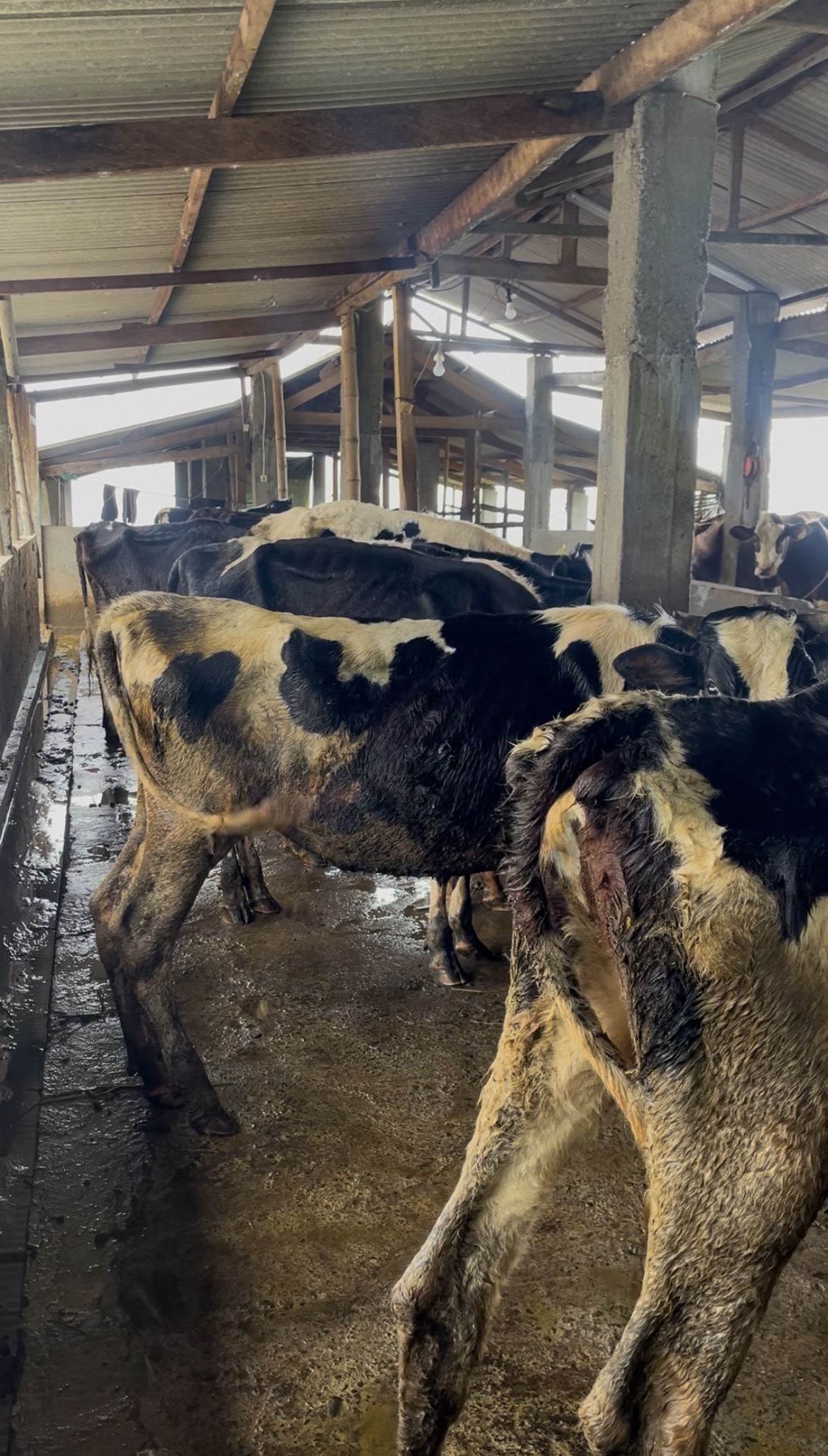
For smallholder farmers, proper management can have a significant impact due to the limited scale of their operations. Small mistakes, such as slippery pens or poor hygiene, can lead to significant losses due to livestock injuries or illnesses.

Cage Management as the Main Foundation
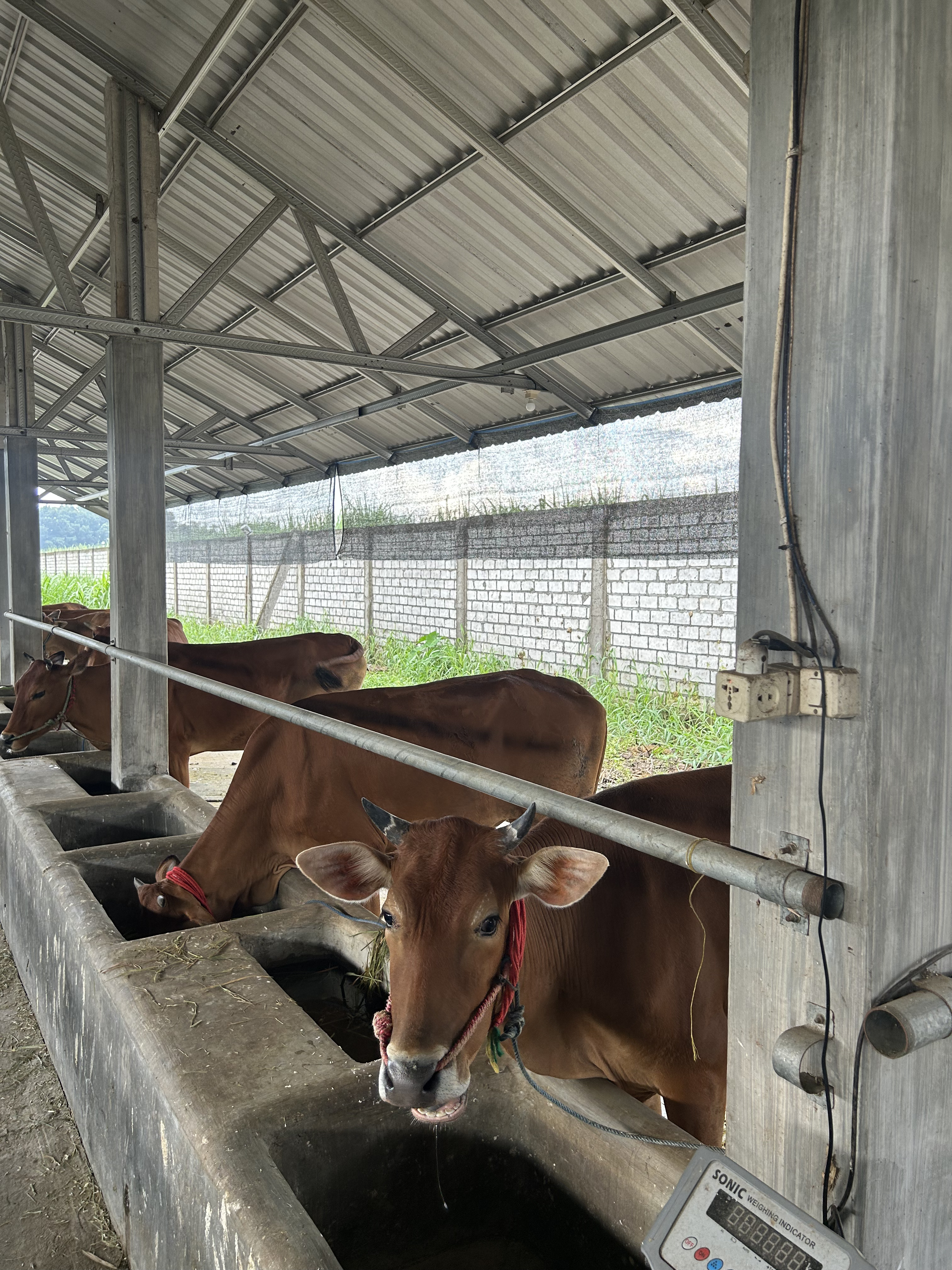
One of the main pillars in livestock management is management.cowshedUncomfortable pens can cause stress, reduce appetite, and even lead to injury in livestock. Therefore, pens must be designed to be safe, clean, and easy to maintain.
Some principles of a good cage include:
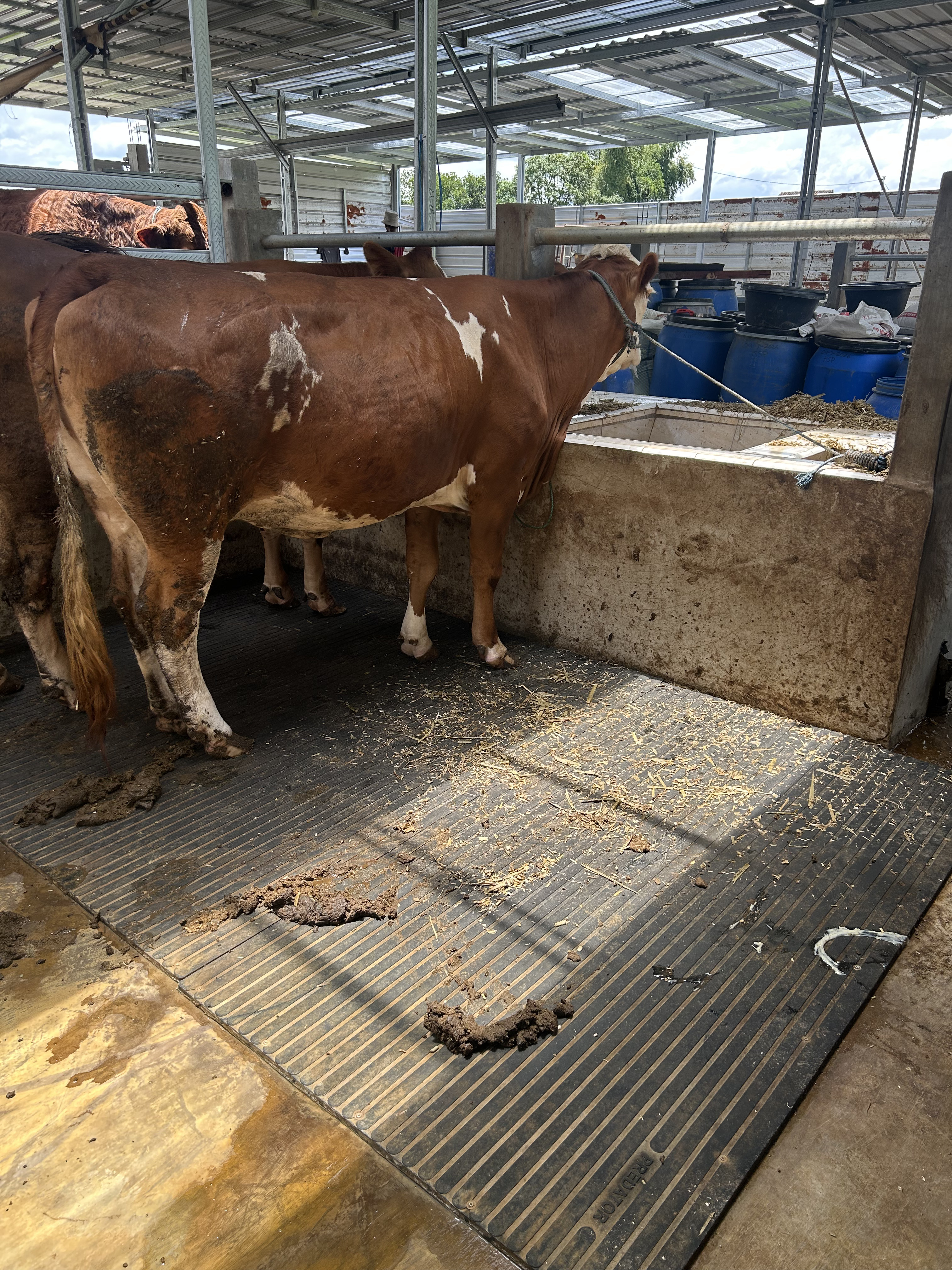
- The cage floor is not slippery and easy to clean.
  • - Smooth drainage so that the cage does not get muddy
  • - Sufficient air circulation
  • - The layout of the cage facilitates daily activities.
Using proper bedding helps reduce the risk of cows slipping and maintains their comfort. A safe barn environment will directly impact productivity.

Focus on Animal Welfare and Health
Modern farm management places livestock welfare as a priority. Healthy and comfortable livestock have better production performance and a longer productive lifespan. Disease prevention through clean pens and routine maintenance is far more cost-effective than medical treatment.
Smallholder farmers can start with simple steps such as keeping the floor of the pen clean, monitoring the condition of the livestock's feet, and ensuring that the livestock can stand and lie down comfortably.

Simple Record Keeping for Decision Making
Record-keeping is a key feature of modern management. Farmers don't need a complicated system; simply record livestock numbers, health conditions, and production results. Consistent record-keeping allows farmers to evaluate livestock performance and plan business development more effectively.

Towards Sustainable Livestock
The implementation of good management will lead farmers towards sustainable farming. Livestock farming focuses not only on short-term results but also on maintaining production stability, cost efficiency, and long-term business continuity.
As a partner to livestock farmers, Predator supports the implementation of modern livestock management through safe, comfortable, and durable housing solutions. Predator believes that a strong livestock farm always starts with a well-organized housing system.

Modern livestock management can be implemented by smallholder farmers in a gradual and realistic manner. From pen management and attention to livestock welfare to simple record-keeping, all these steps help farmers increase productivity and maintain business sustainability.

Share Article

Predator Rubber Team

Our expert team is dedicated to providing quality information about livestock farming and animal welfare.

Expert in Animal Welfare & Quality Products

Related Articles

Rainy Season Coming? Here Are the Hidden Risks in Cow Sheds to Watch Out For

Rainy Season Coming? Here Are the Hidden Risks in Cow Sheds to Watch Out For

The rainy season is often considered a blessing due to cooler temperatures and abundant forage. However, livestock farmers often face significant challenges: damp, muddy pens that pose health risks to their cattle. If not properly managed, the rainy season can lead to increased maintenance costs and decreased livestock performance.This article discusses the hidden risks in cattle pens during the rainy season and the preventative measures that farmers can take.Humidity Height Triggers Health ProblemsHeavy rainfall drastically increases the humidity in the barn. Floors that are difficult to dry create an ideal environment for bacteria and fungi to thrive. As a result, cows are more susceptible to skin diseases, hoof infections, and even respiratory problems.This problem often appears slowly and is considered normal. However, excessively damp barns are one of the main triggers for a reduced immune system in cattle.Slippery Floors and Risk of InjuryDuring the rainy season, barn floors become more slippery. Water mixed with manure makes the surface even more dangerous. Cows that slip risk leg and joint injuries.Minor injuries can have significant consequences if not treated promptly. Besides medical costs, livestock productivity can also decrease due to discomfort in movement.The smell appears fasterExcessive humidity accelerates the decomposition of urine and manure. This is why cow sheds often smell more quickly during the rainy season. The pungent odor not only disturbs the surrounding environment but also affects the cows' well-being.Cattle in uncomfortable environments tend to become stressed and lose their appetite. In the long term, this impacts growth and crop yields.The Importance of a Supportive Floor SystemFacing the rainy season doesn't mean farmers need to undertake major renovations. The main focus is on the barn flooring system, which helps reduce waterlogging and maintains a stable surface.Usage Predator cow rug is a solution that helps create safer and more comfortable footing. The non-slip, quick-drying surface helps reduce the risk of injury and maintains optimal cage hygiene.With the right flooring system, the rainy season is no longer a major threat to livestock health.Better Preparation, Less RiskFarmers who are prepared for the rainy season usually anticipate it well in advance. Ensuring proper drainage, regulating air circulation, and repairing barn floors are all strategic steps they can take.Predator is here to help Indonesian farmers create more weather-resistant cattle pens. Comfortable and safe pens are key to maintaining stable productivity throughout the season.Don't wait for problems to arise during the rainy season. Prepare your pen now to keep your cattle healthy and keep costs under control.

Read More
A Commonly Overlooked Breeder Mistake: Cage Floors That Are Too Slippery

A Commonly Overlooked Breeder Mistake: Cage Floors That Are Too Slippery

Many farmers focus on cattle feed and health, but often forget about the condition of the barn floor. However, floors that are too slippery can be a major cause of stress, injury, and even difficulty standing comfortably.Therefore, the use of cow shed rubber carpet started to become the choice of many modern breeders to improve the safety and comfort of livestock.The Impact of Slippery Cage FloorsCattle are heavy animals that require stable footing every day. Slippery stall floors increase the risk of slipping, especially when the stall area is wet or contaminated with manure.This condition can cause:- Wounds on cow's legs- The cow had difficulty standing.- Decreased appetite- Stress in livestock- Cow activity becomes uncomfortableIn the long term, poor cage conditions can also affect livestock productivity.Solution with Anti-Slip Cow CarpetOne of the solutions that is widely used today is the installationanti-slip cow carpet.Rubber mats help create a more stable and comfortable footing for cows.Besides reducing the risk of slipping, rubber mats also help reduce pressure on cows' feet when standing for too long.Advantages of Rubber Carpets for CagesHere are some reasons why many farmers are starting to use cow shed carpet:1. Safer Surfaces    The anti-slip texture helps cows move more stably in the pen.2. More Comfortable for Livestock    The rubber material feels softer than regular cement floors.3. Durable and Strong    Quality carpets have high resistance to heavy loads.4. Easy to Clean    Cage maintenance becomes more practical and efficient.5. Suitable for Various Types of Cages    Can be used for beef cattle and dairy cattle pens.Small Investment for Big ImpactSome farmers still consider cow mats a mere addition. However, comfortable barn facilities can help maintain optimal livestock conditions.Use quality cowhide rubber carpetIt's not just about comfort, but also a step towards creating a safer, more modern and more efficient livestock system.

Read More
The impact of high quality feed on dairy production and health

The impact of high quality feed on dairy production and health

Proper and high quality cattle feed roughly contribute 60% - 70% of livestock budget, therefor it heavily implies its quality on dairy productivity. Dairy cow need balance energy, protein, fiber, vitamin, and mineral to ensure stability on dairy production. Data from ministry of agriculture and various livestock feed research center shows that refined quality forage, fermentation, and concentrate formulation could increase local dairy production over 15% - 30%. Well balancecd nutrition could also help prevent disease case such as masititis, ketosis, and reproduction interference.Aside from quality, forage consistency is also a crucial thing. Sudden shift in ration could disrup rumen microbe, lower appetite, and inflict SARA (Sub-Accute Ruminal Acidosis). Farm that properly upheld its feed quality have higher pregnancy rate on their cattle and promote longevity. Its not always about the cost nor budget on livestock feed, but its a major investmen that decide whether the farm is continuing its production or not at all.

Read More
Rainy Season and the Challenges of Modern Cow Sheds

Rainy Season and the Challenges of Modern Cow Sheds

The rainy season brings great risks for beef cattle. High humidity can worsen floor conditions and increase the risk of nail disease.Common Problems During the Rainy Season- Wet floor- Puddle- The smell increases- The cow is reluctant to lie down- Risk of nail infectionFloors that are too cold and wet make cows uncomfortable. As a result, they rest less and stress increases.How to Anticipate- Make sure the floor slope is sufficient- Use a flooring system that does not absorb water- Repair the drainage channels- Increase the frequency of cleaningModern cattle housing systems must be able to adapt to seasonal changes. Investing in the right flooring structure helps maintain stable productivity throughout the year.When the rainy season arrives, humidity and the risk of muddy floors increase.Predator Cow CarpetIt's designed to resist water absorption, remain stable in wet conditions, and help keep cattle secure. Ensure your barn is ready for the rainy season without compromising livestock comfort and productivity.

Read More
Slippery Cow Shed Floors: A Risk of Injury That Threatens Profits

Slippery Cow Shed Floors: A Risk of Injury That Threatens Profits

Slippery cow barn floors are a major cause of injury on modern farms. Many farmers focus on feed and nutrition, but forget thatanti-slip cage floorvery important for livestock safety.Large cattle have a high center of gravity. When standing or sitting, they need stable footing. If the stall floor is slippery, the risk of slipping is very high.The Dangers of Slippery Floors for CowsCommon injuries include:- Injury to the knee- Muscle bruise- Joint injury- Cracked nails- Permanent limpCows that have slipped often become more alert and stressed. They will stand longer and be reluctant to lie down, which ultimately affects their performance.beef cattle productivity.The Invisible Financial ImpactThe costs of injury extend beyond medical expenses. Other impacts include:- Final weight loss- FCR worsens- Selling value down- Risk of not passing buyer selectionInvestment in the systemanti-slip and elastic cow shed floormuch cheaper than bearing the loss due to lame cows.An ideal floor should have strong grip, be water-resistant, and be able to absorb the pressure of the cows' weight. A safe housing system is the foundation of sustainable livestock farming.Livestock safety starts with stable footing.Predator Cow CarpetIt has a non-slip surface and elastic structure that helps reduce the risk of slipping in heavy cattle. This solution not only maintains the health of cattle's feet but also protects your livestock investment in the long term.

Read More
Common Mistakes Beginner Farmers Make in Barn Management

Common Mistakes Beginner Farmers Make in Barn Management

Many beginner farmers still see barns merely as shelters, even though proper barn management plays a major role in livestock health and productivity. One of the most common mistakes is poor hygiene. Wet floors, clogged drainage, and irregular cleaning increase the risk of diseases, especially mastitis and hoof problems.Another frequent issue is inadequate ventilation. Poor air circulation creates humid and hot conditions that cause heat stress, reduce feed intake, and negatively affect milk production. Insufficient lighting can also limit cow activity and comfort, particularly in enclosed housing systems.Improper barn layout is another challenge. Limited space between cows, poorly positioned feeding areas, and uncomfortable flooring can lead to stress, injuries, and infections. Over time, these conditions reduce performance and increase maintenance costs.Good barn management does not have to be expensive, but it requires consistency and basic knowledge. By maintaining cleanliness, proper airflow, and cow comfort, beginner farmers can establish a healthier and more sustainable dairy operation.

Read More
Link copied successfully!