Slippery Cow Shed Floors: A Risk of Injury That Threatens Profits
Artikel Peternakan
2 min read

Slippery Cow Shed Floors: A Risk of Injury That Threatens Profits

01 April 2026
1 month ago
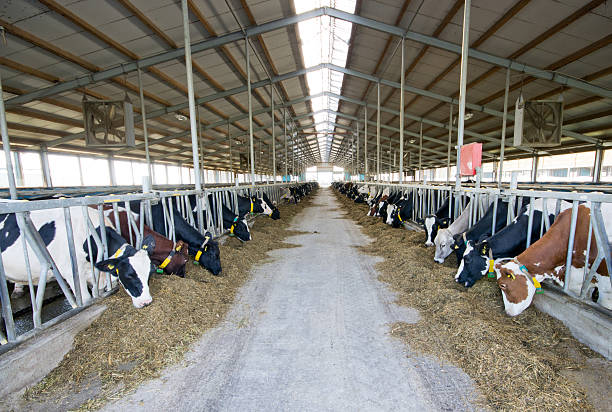
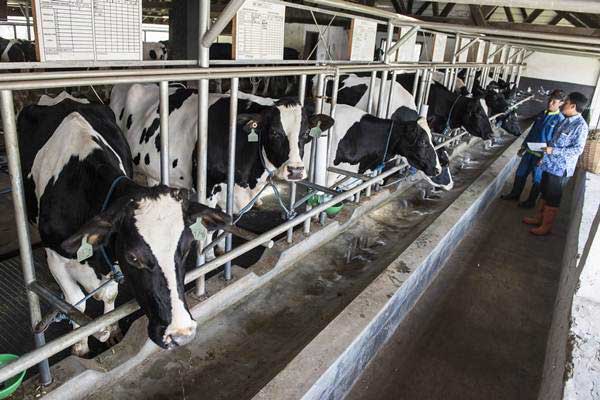
Slippery cow barn floors are a major cause of injury on modern farms. Many farmers focus on feed and nutrition, but forget thatanti-slip cage floorvery important for livestock safety.

Large cattle have a high center of gravity. When standing or sitting, they need stable footing. If the stall floor is slippery, the risk of slipping is very high.

The Dangers of Slippery Floors for Cows
Common injuries include:
- Injury to the knee
  • - Muscle bruise
  • - Joint injury
  • - Cracked nails
  • - Permanent limp

  • Cows that have slipped often become more alert and stressed. They will stand longer and be reluctant to lie down, which ultimately affects their performance.beef cattle productivity.

The Invisible Financial Impact
The costs of injury extend beyond medical expenses. Other impacts include:
- Final weight loss
  • - FCR worsens
  • - Selling value down
  • - Risk of not passing buyer selection

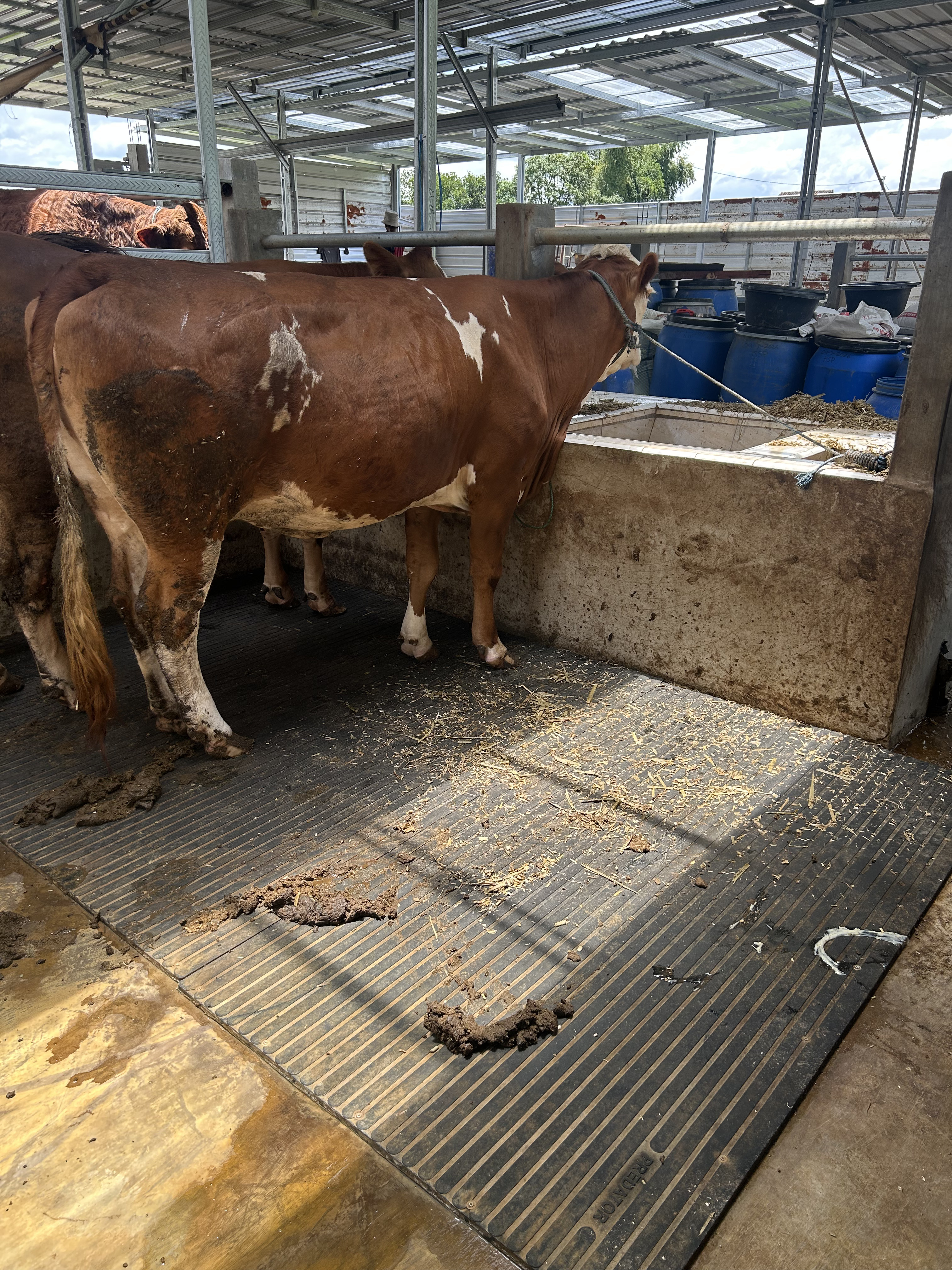
Investment in the systemanti-slip and elastic cow shed floormuch cheaper than bearing the loss due to lame cows.
An ideal floor should have strong grip, be water-resistant, and be able to absorb the pressure of the cows' weight. A safe housing system is the foundation of sustainable livestock farming.

Livestock safety starts with stable footing.Predator Cow CarpetIt has a non-slip surface and elastic structure that helps reduce the risk of slipping in heavy cattle. This solution not only maintains the health of cattle's feet but also protects your livestock investment in the long term.

Share Article

Predator Rubber Team

Our expert team is dedicated to providing quality information about livestock farming and animal welfare.

Expert in Animal Welfare & Quality Products

Related Articles

Farmer Regeneration: Why Are Young People Reluctant to Enter the Dairy Farm World?

Farmer Regeneration: Why Are Young People Reluctant to Enter the Dairy Farm World?

Farmer regeneration has become one of the biggest challenges in Indonesia’s dairy sector. Most dairy farmers today are over 45 years old, and interest from younger generations to continue the family business is steadily declining. Despite strong market demand for milk, dairy farming is still seen as hard, dirty work and less prestigious compared to modern jobs that offer flexibility. Limited access to capital, unstable milk prices, and high feed costs also make dairy farming seem financially unattractive to young people.On the other hand, younger generations tend to seek jobs with stable income, clear career growth, and a more modern work environment. Yet FAO reports show that modernizing dairy farms such using sensors, monitoring apps, and improved feed management systems can significantly boost efficiency and make daily work much easier for new farmers. Still, without education, training, and affordable access to technology, this transformation remains difficult to achieve.Farmer regeneration is not simply about replacing an aging workforce, it’s more about securing the future of the national dairy industry. Government, cooperatives, and industry stakeholders must work together to build an ecosystem that appeals to young people leading to a more modern, more profitable, and more sustainable.

Read More
Strengthening the Capacity of Local Farmers: The Key to Sustainable Meat and Milk Self-Sufficiency in Indonesia

Strengthening the Capacity of Local Farmers: The Key to Sustainable Meat and Milk Self-Sufficiency in Indonesia

Strengthening the capacity of local livestock farmers is the main foundation for achieving sustainable meat and milk self-sufficiency through comfortable housing, modern management, and appropriate technology. Self-sufficiency in meat and milk is a major goal of the Indonesian people in building national food security. However, achieving this target cannot rely solely on import policies or increasing livestock populations. A crucial factor that is often overlooked is strengthening the capacity of local farmers as the main actor in the field.Local farmers play a strategic role in the national meat and dairy production chain. Unfortunately, many farmers still face limitations in knowledge, production facilities, and access to technology. Without continuous capacity building, consistent meat and dairy self-sufficiency will be difficult to achieve.Local Farmers as the Foundation of Self-SufficiencyThe majority of livestock production in Indonesia comes from smallholder farms. This means that the success of the program meat self-sufficiency and milk self-sufficiency. It depends heavily on the readiness and capabilities of local farmers. Strengthening the capacity of farmers isn't just about increasing livestock numbers, but also includes:- Understanding farm management efficient- Safe and comfortable cage management- Prevention of livestock injuries and diseases- Optimizing productivity without sacrificing livestock welfareFarmers who have adequate capacity will be more adaptive to change, more efficient in operations, and more sustainable in the long term.Comfortable Housing: A Critical Factor in Livestock ProductivityOne crucial aspect of improving livestock capacity is the quality of the pens. Slippery, muddy, or unhygienic pens can cause stress, injury, and even death. These conditions directly reduce meat and milk productivity.Education about comfortable and safe housing is the first step towards modern livestock farming. Using proper bedding, a good drainage system, and livestock-friendly housing materials has been proven to:- Reducing the risk of cows slipping- Reducing the number of injuries and illnesses- Improve livestock comfort and performanceThis is where the role of simple yet effective technology-based solutions becomes crucial.Predators and the Commitment to Building Sustainable LivestockAs a brand born from the needs of livestock breeders, Predator is present not only as a product provider, but also as an educational partner for local farmers. Predator believes that sustainable farming starting from a comfortable pen and prosperous livestock.Through innovative, high-quality rubber cage bedding, Predator helps farmers create safer, more hygienic, and more durable cage environments. This solution helps farmers increase productivity while reducing the risk of losses due to livestock injuries.Moreover, Predator consistently promotes farmer education through practical content and information so that Indonesian farmers can move up a class and compete sustainably.Towards an Independent and Competitive Livestock FarmStrengthening the capacity of local livestock farmers is a long-term investment for the nation. When farmers are equipped with the right knowledge, technology, and support, they can not only increase production but also maintain environmental and economic sustainability.Collaboration between farmers, industry, and other stakeholders is key to building a strong national livestock ecosystem. With empowered farmers, Indonesia has a significant opportunity to achieve self-sufficiency in meat and milk independently and sustainably.Self-sufficiency in meat and milk will not be achieved without strong local livestock farmers. Through capacity building, improved livestock management, and the implementation of appropriate housing technology, Indonesian livestock farmers can become a key driver of national food security. Predator is committed to continuing to be part of this journey, assisting farmers towards more advanced, safe, and sustainable livestock farming.

Read More
Link copied successfully!