The Impact of Barn Cleanliness on Milk Quality and Grading
22 December 2025
4 months ago
Barn cleanliness has a direct impact on the quality of milk produced by dairy cows. Dirty and humid barn environments increase exposure to pathogenic bacteria, particularly those originating from manure and urine. These conditions raise the risk of milk contamination during milking, increase the Total Plate Count (TPC), and elevate the likelihood of mastitis, which is one of the main causes of declining milk grades.
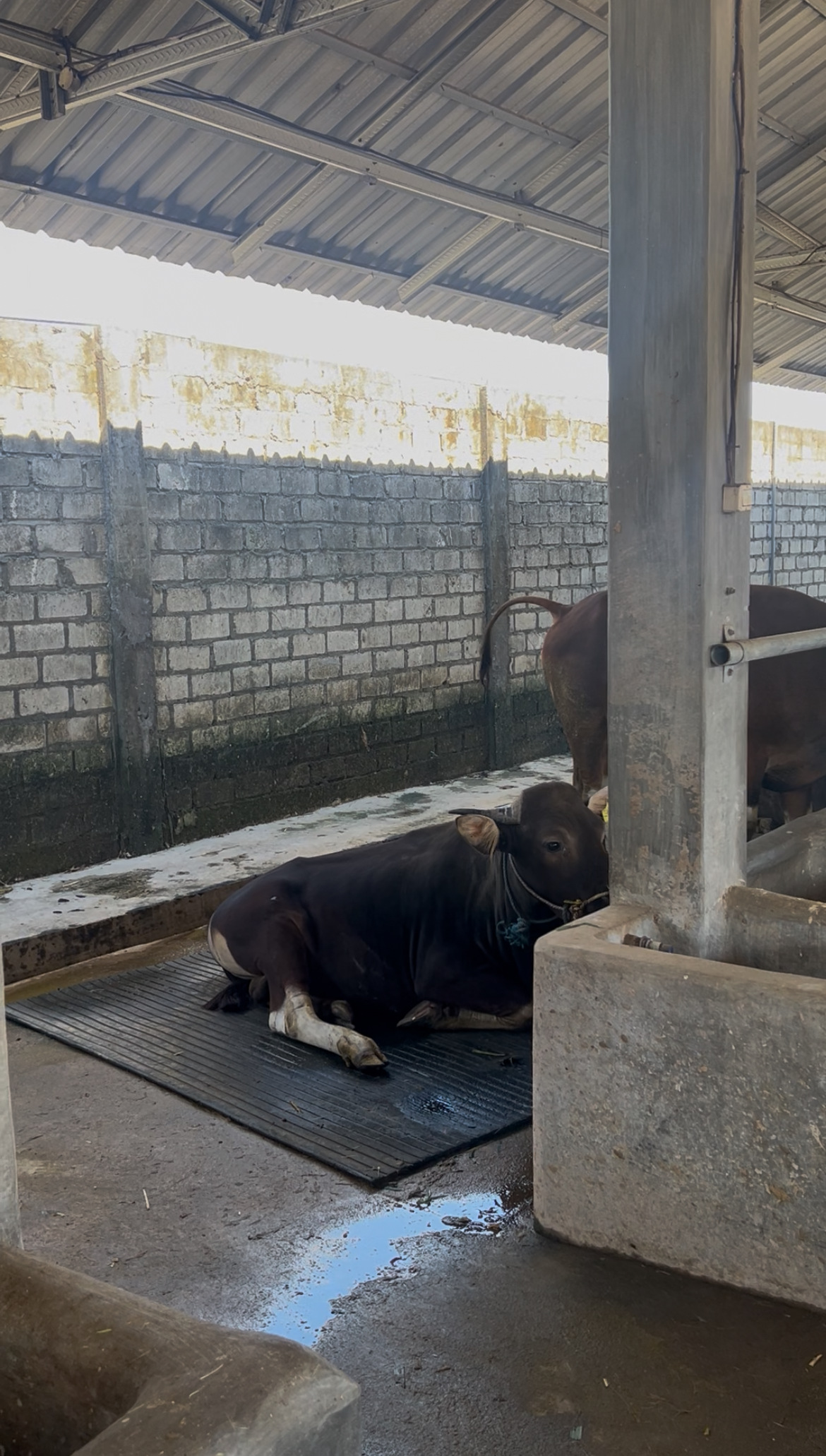
Poor barn hygiene also affects cow comfort. Cows that frequently lie on wet or dirty floors are more prone to udder infections and skin lesions. As a result, milk quality declines, bacterial levels rise, and milk may be rejected or priced lower by dairy processors. FAO states that poor barn hygiene practices are directly correlated with higher incidences of both clinical and subclinical mastitis in dairy cows.
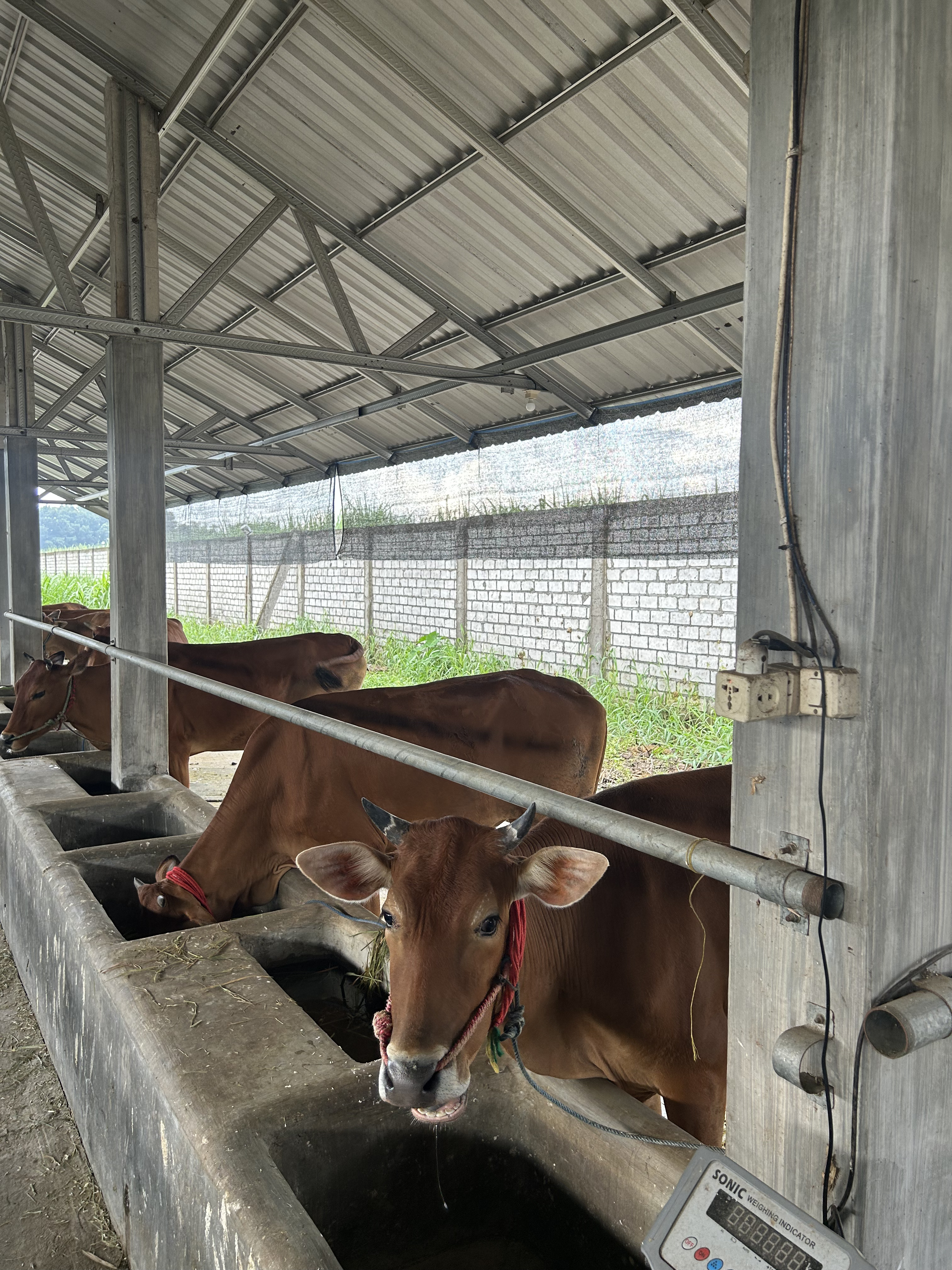
Maintaining barn cleanliness does not have to be complicated. Regular cleaning, proper drainage systems, adequate ventilation, and the use of bedding that is easy to clean and remains dry can significantly reduce contamination risks. A clean barn supports healthier cows, better milk quality, and more consistent milk grades, ultimately having a direct impact on farmers’ income.
Our expert team is dedicated to providing quality information about livestock farming and animal welfare.
Expert in Animal Welfare & Quality Products
Related Articles
Hidden Costs of Lame Cows in the Pen
Lameness in cattle is a serious problem in fattening farms. Many farmers only realize the damage after the condition has become severe. However, the underlying cause often stems from the system.suboptimal cow shed floor.Causes of Lameness in Cows- Surface is too hard- Slippery floor- Excessive pressure on the joints- Unstable nails- Humid environmentLarge cattle are particularly susceptible to floor pressure. Without cushioning, joints can slowly become inflamed.Losses Incurred- Daily weight gain decreased- Reduced feed consumption- Medical costs are increasing- Risk of secondary infection- The selling price of cattle has fallen drasticallyIn a 3-month fattening period, a 0.3 kg per day decrease in growth can mean a loss of tens of kilograms in final weight.Lameness in cattle is not only a health issue, but also a serious threat to profits. Using a flooring system with high damping and stability, such as Predator Cow Carpet helps reduce excessive pressure on the cow's joints and hooves. Early prevention is far more cost-effective than treatment costs and potential reduction in market value.Preventing lameness in cattle through a comfortable housing system is much more economical than treating it.
After Realizing the Mistake, Here Are Real Steps to Improve Your Cow Shed to Make It More Efficient
In the previous article, we discussed minor errors in the cow shed that seem trivial and can actually slowly drain a farmer's finances. From damp, slippery floors to pens that look clean but aren't truly comfortable for the cows. The question now is,What concrete steps can farmers take after realizing these mistakes?This article is a continuation and practical guide so that farmers do not stop at the "problem awareness" stage, but actually move on to solutions.Evaluation of the Pen from the Cow's PerspectiveThe first step that farmers often overlook is viewing the pen from the cow's perspective. Take a look at:- Do cows often stand and rarely lie down?- Does the floor feel cold, hard, or slippery when you walk on it?- Does the smell appear quickly even though the cage is cleaned regularly?If the answer is yes, it means the barn isn't fully supporting the cows' comfort. However, comfortable cows are calmer, healthier, and grow more efficiently.Focus on Repairs on the Cage FloorOf the various cage factors, the cow shed floor is the most crucial point. The floor, which comes into direct contact with the cows' feet and bodies, has a significant impact on the health of their hooves, joints, and stress levels.Repairing the floor doesn't always mean completely dismantling the barn. Many farmers are turning to practical solutions that can be implemented immediately without disrupting daily activities, such as adding a special padding to the cows' footing area.Reducing Costs the Smarter WayA common mistake farmers make is to continually increase downstream costs, such as medication and vitamins, without addressing the root of the problem. However, by improving housing conditions, the need for additional care can be minimized from the outset.This is why a comfortable cage is not an expense, but rather a long-term cost-saving toolThe lower the risk of injury and stress to cattle, the lower the unexpected costs.Cow Carpets as an Effective Transitional StepAs a continuation of the previous discussion, the use of Predator cow rug is one of the most realistic transition steps for farmers. Without the need for major renovations, the barn floor can be softer, less slippery, and easier to keep clean.Cow mats help create a more stable barn environment. Cows are more comfortable standing and lying down, allowing their energy to be focused on growth and production, rather than adapting to the harsh floor.From a More Comfortable Cage to Maximum ResultsFarmers who implement simple improvements to their barns typically begin to see a gradual impact. Cows appear calmer, experience fewer leg problems, and perform more consistently.Here is the common thread from the previous article: “Small mistakes will continue to cost money if left unchecked, but simple solutions can make a big difference if implemented correctly.”Predator is committed to assisting Indonesian livestock farmers to upgrade their livestock, starting with more comfortable, safe, and efficient cages.If you haven't read the previous article about minor mistakes in cow barns, be sure to read it first to understand the root of the problem before implementing the solution.
Recognize the Signs of Healthy Cows from Their Behavior in the Pen
Assessing cattle health doesn't always require a veterinary examination. Farmers can actually observe early signs of cattle health simply from their daily behavior in the barn.Healthy cows will exhibit consistent activity patterns. Conversely, subtle changes in behavior can be an early sign of a problem.1. Stable AppetiteHealthy cattle have a good and consistent appetite. If a cow starts to reduce her feed intake or appears reluctant to eat, it could be an indication of stress or a health problem.A comfortable barn environment helps maintain a stable appetite. Cattle that are not stressed tend to consume feed more optimally.2. Enough time to lie downHealthy cows typically have sufficient time to lie down each day. Lying down helps restore energy and maintain body balance.If cows rarely lie down, the floor of the barn may be too hard, slippery, or damp. These conditions make it uncomfortable for the cows to rest.3. Active and Stable MovementPay attention to how the cow walks. Healthy cows move steadily, don't limp, and don't appear to be in pain when standing. Leg problems often stem from poor barn flooring.Usage Predator cow rug helps create a safer footing and reduces the risk of foot injury.4. Clean and Not Dull FurA cow's health is also reflected in the condition of its coat. A clean, matted coat indicates good barn management. An environment that is too humid or smelly can affect the physical condition of the cattle.5. Calm and Uneasy BehaviorHealthy cows tend to be calmer. If a cow appears restless, frequently shifts position, or is easily startled, there may be environmental factors causing discomfort.A dry, non-slippery, and well-ventilated pen helps keep livestock calm.Health Starts from the EnvironmentMost indicators of cattle health are closely related to barn conditions. Comfortable barn floors, good hygiene, and proper management are the key foundations.Predator is here to help Indonesian farmers create more comfortable cattle pens and support the overall health of their livestock.By understanding the daily behavior of cattle, farmers can detect problems more quickly and maintain maximum productivity.
Rainy Season and the Challenges of Modern Cow Sheds
The rainy season brings great risks for beef cattle. High humidity can worsen floor conditions and increase the risk of nail disease.Common Problems During the Rainy Season- Wet floor- Puddle- The smell increases- The cow is reluctant to lie down- Risk of nail infectionFloors that are too cold and wet make cows uncomfortable. As a result, they rest less and stress increases.How to Anticipate- Make sure the floor slope is sufficient- Use a flooring system that does not absorb water- Repair the drainage channels- Increase the frequency of cleaningModern cattle housing systems must be able to adapt to seasonal changes. Investing in the right flooring structure helps maintain stable productivity throughout the year.When the rainy season arrives, humidity and the risk of muddy floors increase.Predator Cow CarpetIt's designed to resist water absorption, remain stable in wet conditions, and help keep cattle secure. Ensure your barn is ready for the rainy season without compromising livestock comfort and productivity.
Strengthening the Capacity of Local Farmers: The Key to Sustainable Meat and Milk Self-Sufficiency in Indonesia
Strengthening the capacity of local livestock farmers is the main foundation for achieving sustainable meat and milk self-sufficiency through comfortable housing, modern management, and appropriate technology. Self-sufficiency in meat and milk is a major goal of the Indonesian people in building national food security. However, achieving this target cannot rely solely on import policies or increasing livestock populations. A crucial factor that is often overlooked is strengthening the capacity of local farmers as the main actor in the field.Local farmers play a strategic role in the national meat and dairy production chain. Unfortunately, many farmers still face limitations in knowledge, production facilities, and access to technology. Without continuous capacity building, consistent meat and dairy self-sufficiency will be difficult to achieve.Local Farmers as the Foundation of Self-SufficiencyThe majority of livestock production in Indonesia comes from smallholder farms. This means that the success of the program meat self-sufficiency and milk self-sufficiency. It depends heavily on the readiness and capabilities of local farmers. Strengthening the capacity of farmers isn't just about increasing livestock numbers, but also includes:- Understanding farm management efficient- Safe and comfortable cage management- Prevention of livestock injuries and diseases- Optimizing productivity without sacrificing livestock welfareFarmers who have adequate capacity will be more adaptive to change, more efficient in operations, and more sustainable in the long term.Comfortable Housing: A Critical Factor in Livestock ProductivityOne crucial aspect of improving livestock capacity is the quality of the pens. Slippery, muddy, or unhygienic pens can cause stress, injury, and even death. These conditions directly reduce meat and milk productivity.Education about comfortable and safe housing is the first step towards modern livestock farming. Using proper bedding, a good drainage system, and livestock-friendly housing materials has been proven to:- Reducing the risk of cows slipping- Reducing the number of injuries and illnesses- Improve livestock comfort and performanceThis is where the role of simple yet effective technology-based solutions becomes crucial.Predators and the Commitment to Building Sustainable LivestockAs a brand born from the needs of livestock breeders, Predator is present not only as a product provider, but also as an educational partner for local farmers. Predator believes that sustainable farming starting from a comfortable pen and prosperous livestock.Through innovative, high-quality rubber cage bedding, Predator helps farmers create safer, more hygienic, and more durable cage environments. This solution helps farmers increase productivity while reducing the risk of losses due to livestock injuries.Moreover, Predator consistently promotes farmer education through practical content and information so that Indonesian farmers can move up a class and compete sustainably.Towards an Independent and Competitive Livestock FarmStrengthening the capacity of local livestock farmers is a long-term investment for the nation. When farmers are equipped with the right knowledge, technology, and support, they can not only increase production but also maintain environmental and economic sustainability.Collaboration between farmers, industry, and other stakeholders is key to building a strong national livestock ecosystem. With empowered farmers, Indonesia has a significant opportunity to achieve self-sufficiency in meat and milk independently and sustainably.Self-sufficiency in meat and milk will not be achieved without strong local livestock farmers. Through capacity building, improved livestock management, and the implementation of appropriate housing technology, Indonesian livestock farmers can become a key driver of national food security. Predator is committed to continuing to be part of this journey, assisting farmers towards more advanced, safe, and sustainable livestock farming.
Strategy to Increase Cattle Weight Faster with the Right Pen
In modern animal husbandry, increasing cattle weight isn't just about feed. Many farmers still focus on concentrates and forage, but overlook another important factor:pen. In fact, a comfortable pen has a major impact on the growth and health of cattle.Stressed cattle will experience decreased appetite and suboptimal metabolism. Stress can originate from hard, slippery, or muddy pen floors. Therefore, the use of cow rugs is one of the solutions that is starting to be implemented by many progressive breeders.Why Does a Comfortable Cage Affect Weight?Comfortable pens help cows:- Lie down more often and relax- Reduces foot and joint injuries- Maintaining body hygiene- Reduce the risk of nail diseaseWhen cows feel comfortable, more of the energy from feed will be converted into meat, rather than wasted on fighting environmental stress.The Role of Cow Carpets in Modern Shelter SystemsConcrete floors are strong and durable, but they are hard surfaces. Over time, this can cause injury to cows' feet.cow rug functions as a bearing.Advantages of using cow rugs:- Soft and non-slip surface- Reduce floor humidity- Easy to clean- Durable and strong enough to support heavy cattleMany farmers report improved livestock performance after changing their flooring systems. Furthermore, healthcare costs also tend to decrease.The Ideal Size of a Cow CarpetElectioncow carpet sizeThe size of the pen must be adjusted to the type of pen and the weight of the cattle. For large adult cattle, ensure it's large enough for standing and lying down. Avoid making it too small, as this can reduce its effectiveness.Investing in a coop is not just an expense, but a long-term strategy to increase productivity.Modern farming isn't just about feeding as much as possible. A comfortable environment is key to success. With well-organized pens and the proper use of cow mats, cattle growth can be optimized.If you want maximum results, start evaluating your barn conditions today. Because comfortable cows equal maximum weight.