Our expert team is dedicated to providing quality information about livestock farming and animal welfare.
Expert in Animal Welfare & Quality Products
Related Articles
Daily Checklist for Dairy Farmers to Maintain Stable Production
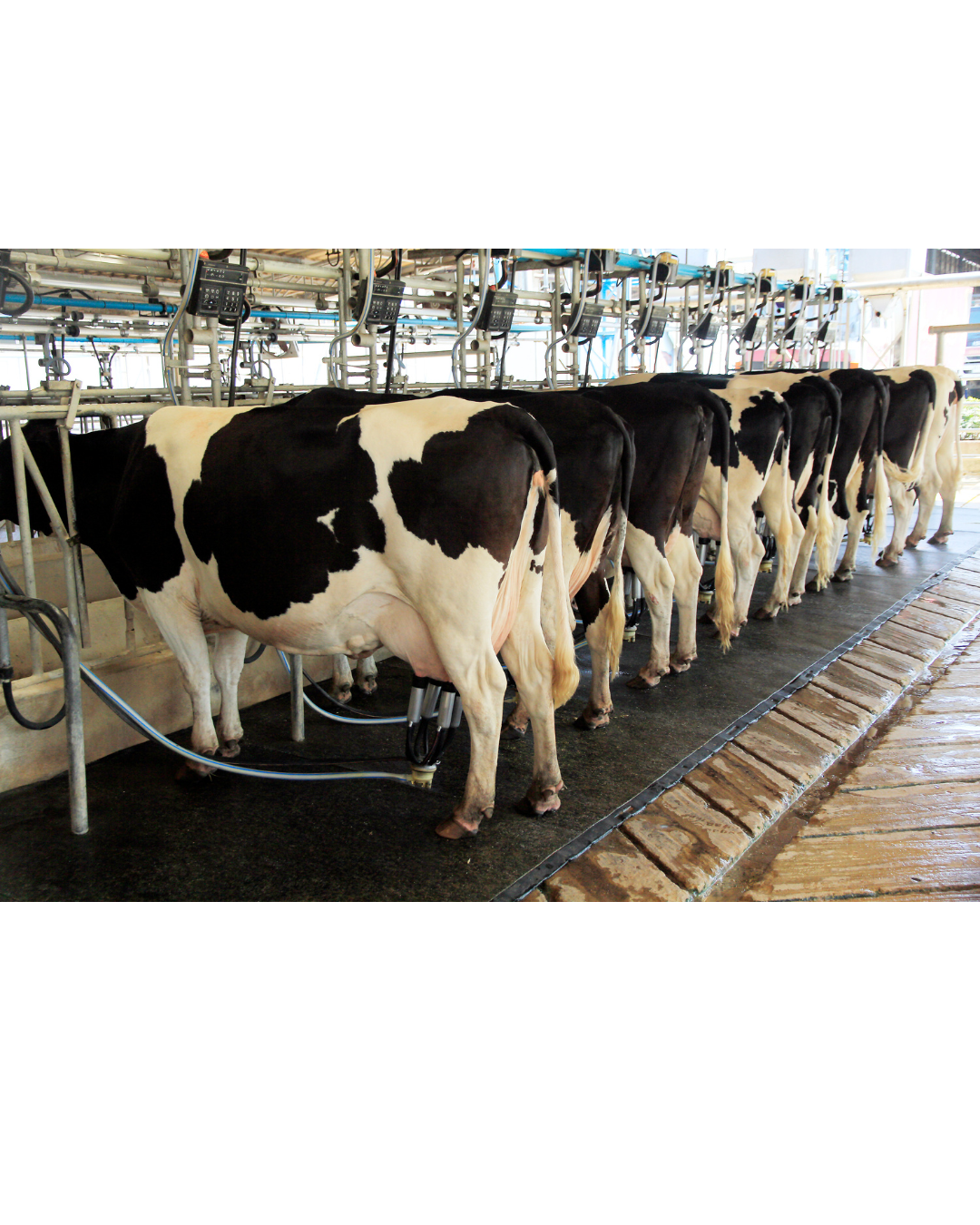
Stable milk production does not happen by chance, but through consistent daily routines. One of the most important daily checks is cow health. Changes in appetite, behavior, or udder condition often indicate early health issues that need prompt attention.Barn hygiene should also be a daily priority. Dry floors, proper drainage, and clean milking areas help reduce the risk of milk contamination and disease. Simple cleaning routines performed daily are far more effective than infrequent deep cleaning.Feed and water management must be monitored every day. Dairy cows require constant access to clean water and consistent rations to maintain stable rumen function. Checking feed leftovers can also help evaluate whether the ration meets the cows’ needs.Milking procedures should be carried out correctly and at consistent times. Pre- and post-milking teat checks, along with clean milking equipment, strongly influence milk quality. With a simple but disciplined daily checklist, farmers can maintain cow health, milk quality, and long-term production stability.
Rainy Season Coming? Here Are the Hidden Risks in Cow Sheds to Watch Out For
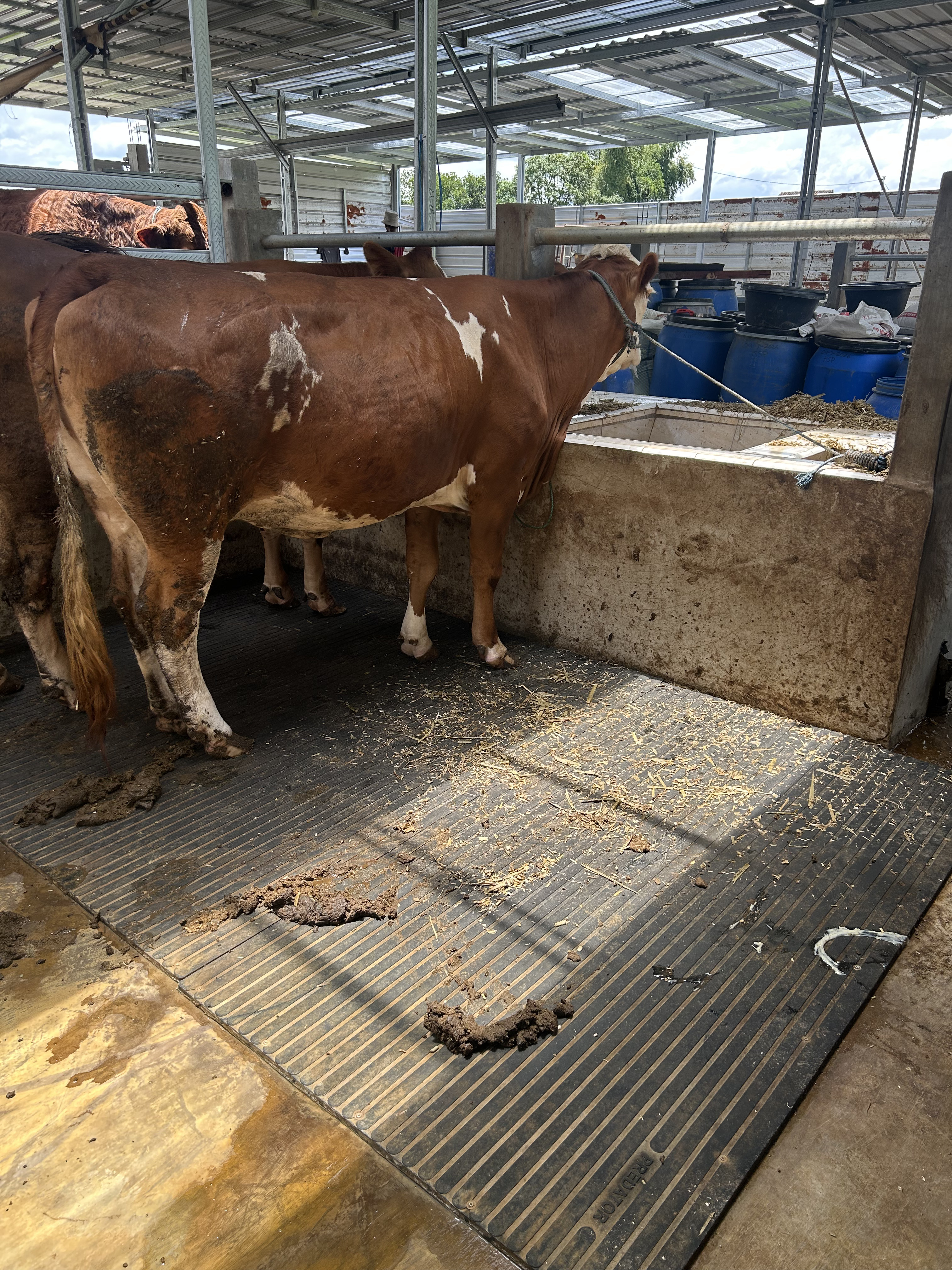
The rainy season is often considered a blessing due to cooler temperatures and abundant forage. However, livestock farmers often face significant challenges: damp, muddy pens that pose health risks to their cattle. If not properly managed, the rainy season can lead to increased maintenance costs and decreased livestock performance.This article discusses the hidden risks in cattle pens during the rainy season and the preventative measures that farmers can take.Humidity Height Triggers Health ProblemsHeavy rainfall drastically increases the humidity in the barn. Floors that are difficult to dry create an ideal environment for bacteria and fungi to thrive. As a result, cows are more susceptible to skin diseases, hoof infections, and even respiratory problems.This problem often appears slowly and is considered normal. However, excessively damp barns are one of the main triggers for a reduced immune system in cattle.Slippery Floors and Risk of InjuryDuring the rainy season, barn floors become more slippery. Water mixed with manure makes the surface even more dangerous. Cows that slip risk leg and joint injuries.Minor injuries can have significant consequences if not treated promptly. Besides medical costs, livestock productivity can also decrease due to discomfort in movement.The smell appears fasterExcessive humidity accelerates the decomposition of urine and manure. This is why cow sheds often smell more quickly during the rainy season. The pungent odor not only disturbs the surrounding environment but also affects the cows' well-being.Cattle in uncomfortable environments tend to become stressed and lose their appetite. In the long term, this impacts growth and crop yields.The Importance of a Supportive Floor SystemFacing the rainy season doesn't mean farmers need to undertake major renovations. The main focus is on the barn flooring system, which helps reduce waterlogging and maintains a stable surface.Usage Predator cow rug is a solution that helps create safer and more comfortable footing. The non-slip, quick-drying surface helps reduce the risk of injury and maintains optimal cage hygiene.With the right flooring system, the rainy season is no longer a major threat to livestock health.Better Preparation, Less RiskFarmers who are prepared for the rainy season usually anticipate it well in advance. Ensuring proper drainage, regulating air circulation, and repairing barn floors are all strategic steps they can take.Predator is here to help Indonesian farmers create more weather-resistant cattle pens. Comfortable and safe pens are key to maintaining stable productivity throughout the season.Don't wait for problems to arise during the rainy season. Prepare your pen now to keep your cattle healthy and keep costs under control.
Small Mistakes in Cow Sheds That Seem Trivial, But Secretly Drain Farmers' Costs
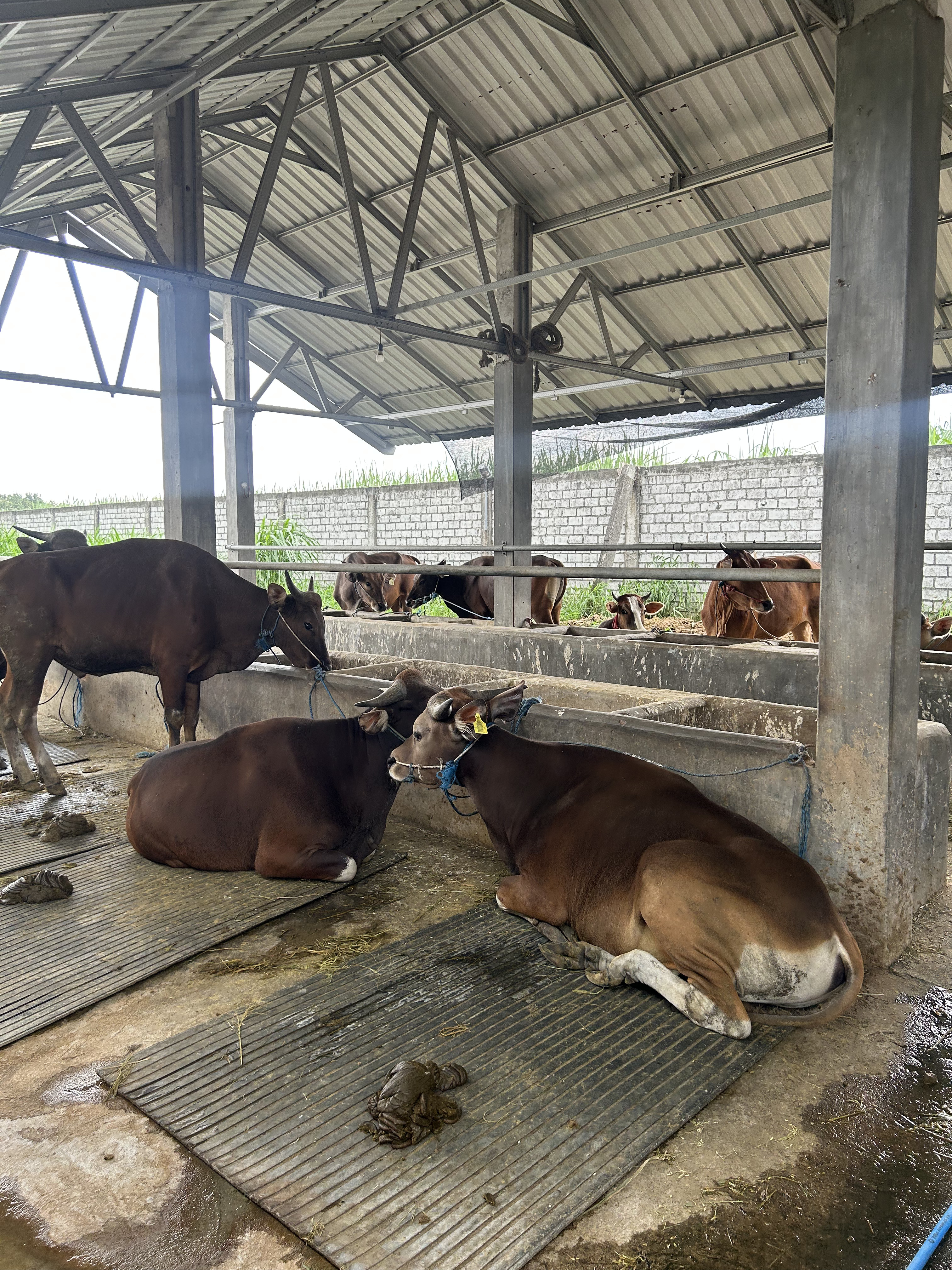
Many farmers feel they work hard every day: keeping the barn clean, feeding the cattle on time, and spraying them regularly to prevent odor. Yet, oddly, the costs still seem high, and livestock yields are suboptimal. If this is a frequent experience for you, the problem may not be with the feed or medication, but rather with the livestock itself, a minor error in the cow shed which is often considered trivial.The cage looks clean, but it's not comfortable.Cleaning the pen is important, but cleanliness alone isn't enough. Pens that are frequently sprayed with water but don't dry quickly actually lead to excess humidity. This condition makes the floor slippery, causes an ammonia odor, and makes the cows susceptible to foot problems.Uncomfortable cattle will stand more often, lie down less often, and become easily stressed. As a result, energy that should be used for growth is instead used to adapt to the less-than-ideal barn environment.Cage Floors: An Often Overlooked Source of ProblemsOne of the most common mistakes is leaving the cage floor hard and cold. Plain cement or dirt floors may seem sturdy, but in the long run, they can cause lameness, hoof injuries, and infections.These problems are often not immediately apparent. Farmers only realize it when the cow begins to have difficulty standing, loses appetite, or doesn't reach target body weight. By this point, additional medical and care costs have already been incurred.Small Expenses That Continue Every DayUncomfortable pens create hidden costs: medication, extra vitamins, extra labor, and even the risk of delayed harvest. When calculated, these small expenses can far outweigh the initial investment in pen repairs.Farmers often focus on rising feed prices, even though cage efficiency can have a big impact on daily expenses.Cow Carpets as a Real SolutionUsage Predator cow rug is a practical solution to address barn floor issues. This carpet is designed to be non-slip, softer, and helps keep the barn dry. This reduces pressure on the cows' feet, reduces the risk of injury, and allows them to rest more comfortably.With more stable housing conditions, cattle are calmer, less likely to get sick, and grow optimally. This means maintenance costs can be reduced without compromising the quality of care.Smart Farmers Focus on the Root of the ProblemProgressive farmers aren't the ones who spray their pens the most, but rather the ones who understand the root of the problem. Improving pen flooring and cow comfort is a strategic step that often goes unnoticed.Predator is here to help Indonesian farmers reduce small mistakes that can have big consequences. With the right housing solutions, costs can be controlled and livestock yields maximized.Because in animal husbandry, coop comfort is not an additional cost, but a long-term investment.
Slippery Cow Shed Floors: A Risk of Injury That Threatens Profits
Slippery cow barn floors are a major cause of injury on modern farms. Many farmers focus on feed and nutrition, but forget thatanti-slip cage floorvery important for livestock safety.Large cattle have a high center of gravity. When standing or sitting, they need stable footing. If the stall floor is slippery, the risk of slipping is very high.The Dangers of Slippery Floors for CowsCommon injuries include:- Injury to the knee- Muscle bruise- Joint injury- Cracked nails- Permanent limpCows that have slipped often become more alert and stressed. They will stand longer and be reluctant to lie down, which ultimately affects their performance.beef cattle productivity.The Invisible Financial ImpactThe costs of injury extend beyond medical expenses. Other impacts include:- Final weight loss- FCR worsens- Selling value down- Risk of not passing buyer selectionInvestment in the systemanti-slip and elastic cow shed floormuch cheaper than bearing the loss due to lame cows.An ideal floor should have strong grip, be water-resistant, and be able to absorb the pressure of the cows' weight. A safe housing system is the foundation of sustainable livestock farming.Livestock safety starts with stable footing.Predator Cow CarpetIt has a non-slip surface and elastic structure that helps reduce the risk of slipping in heavy cattle. This solution not only maintains the health of cattle's feet but also protects your livestock investment in the long term.
Does Your Cage Smell Quickly? Here Are the Causes and How to Fix It
A smelly pen is often considered normal, but it can actually reduce livestock performance. The pungent odor usually comes from ammonia gas caused by urine settling on the floor surface.This problem often occurs in sheds with poor drainage and floors that absorb liquids.Causes of Smelly Cow ShedsSome of the main factors:- The drainage system is not running smoothly- The floor of the cage has no slope- Urine absorbent surface- Cleaning is not optimal- Poor ventilationA humid environment promotes bacterial growth and increases ammonia levels. If left untreated, cows can experience mild respiratory distress and environmental stress.Impact on ProductivityCows living in pens with poor air quality tend to:- Decreased appetite- Easily stressed- Prone to nail infections- Suboptimal growthThe long-term solution is not just cleaning more often, but improving the system.modern cow shed floor which does not absorb liquid and supports drainage flow.A clean and odor-free cow shed creates a healthier working environment while increasing the efficiency of the livestock business.A dry, odor-free pen significantly impacts the cows' comfort and appetite. A floor system that doesn't absorb liquids and is easy to clean, such asPredator Cow Carpet, cage hygiene management becomes more efficient and the risk of ammonia odor can be significantly reduced. It's time to switch to a more modern and hygienic cage system.
The Secret to a Comfortable Cow Barn: The Right Way to Lay Down Carpets
The Right Method for Placing Cow Mats to Create a Comfortable Cow BarnIn modern animal husbandry, creating a comfortable cow barn is no longer an option, but a necessity. One method that has proven effective in increasing livestock comfort and productivity is the use of cow mats. However, the benefits of cow mats will not be maximized without the right placement method. This is where education plays an important role for every farmer.Why is Cow Mat Placement So Important?Many farmers already use cow mats, but still complain that their cows are easily stressed, have foot problems, or that the barn remains slippery. The problem is often not with the product, but with the installation method. Cow mats that are installed carelessly can reduce traction, accelerate wear and tear, and even endanger livestock.With the correct installation method, cattle mats function as anti-slip flooring, pressure-reducing pads for the feet, and help maintain optimal barn cleanliness.Recommended Methods for Placing Cow Mats by PredatorAs a brand that focuses on modern barn solutions, Predator recommends the following methods for placing cow mats to ensure that barns are truly comfortable and functional:1. Install in High-Activity AreasPrioritize installing cow mats in areas that livestock frequently pass through, such as entry and exit paths, feeding areas, and drinking areas. These areas have the highest risk of slipperiness and require extra protection.2. Ensure the Floor Surface is Flat and CleanBefore installation, the barn floor must be flat, free of bumps, and free of dirt. An uneven surface will reduce the effectiveness of the cow mats and shorten their lifespan.3. Use a Tight Jointing MethodCow mats should be installed tightly without gaps. Gaps between mats can cause dirt to accumulate and pose a risk of cows' feet getting stuck. Predator cow mats are designed with a system that facilitates precise installation.4. Orient the Carpet Pattern CorrectlyThe pattern and fibers on cow carpets have an anti-slip function. Ensure that the installation direction follows the cow's movement path for maximum grip.5. Perform Regular ChecksProper cow carpet placement also includes maintenance. Perform regular checks to ensure that the carpet has not shifted and remains firmly attached to the barn floor.Positive Impact for FarmersWith the right method of placing cow mats, farmers will experience tangible benefits:- Reduced risk of foot injuries in cows- Cows are calmer and less prone to stress- Barns are cleaner and easier to maintain- Livestock productivity increasesThis is why Predator not only sells cow mats, but also provides comfortable cow barn solutions based on proven methods.Cow mats are a long-term investment for farmers. However, without the proper placement method, their benefits won't be optimal. By following Predator's cow mat placement method, farmers can create comfortable, safe barns that maximize livestock performance.Predator – Barn Flooring Solutions for Modern Farmers.