The Secret to a Comfortable Cow Barn: The Right Way to Lay Down Carpets
Artikel Peternakan
3 min read

The Secret to a Comfortable Cow Barn: The Right Way to Lay Down Carpets

26 January 2026
4 months ago
The Right Method for Placing Cow Mats to Create a Comfortable Cow Barn
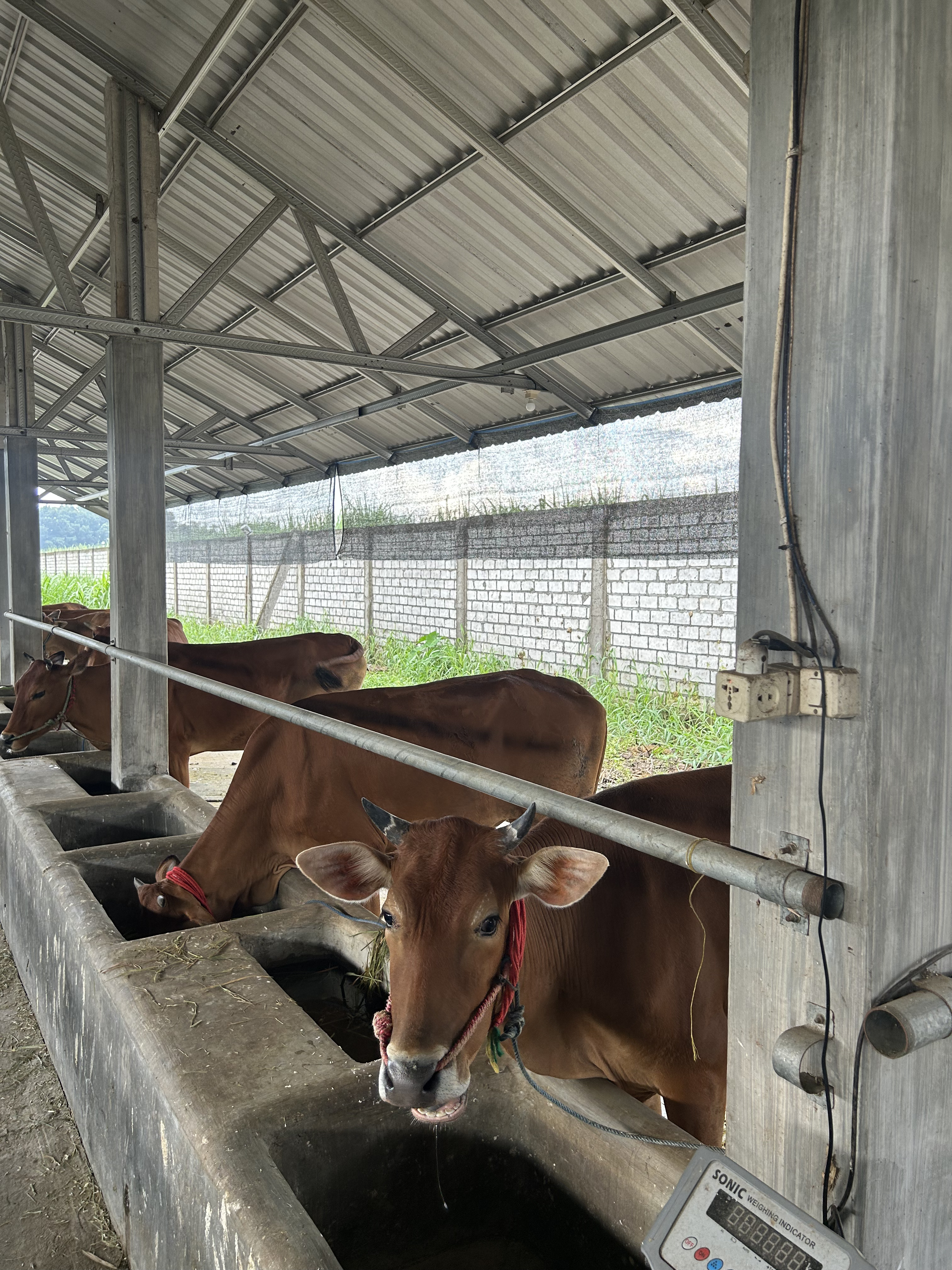
In modern animal husbandry, creating a comfortable cow barn is no longer an option, but a necessity. One method that has proven effective in increasing livestock comfort and productivity is the use of cow mats. However, the benefits of cow mats will not be maximized without the right placement method. This is where education plays an important role for every farmer.

Why is Cow Mat Placement So Important?
Many farmers already use cow mats, but still complain that their cows are easily stressed, have foot problems, or that the barn remains slippery. The problem is often not with the product, but with the installation method. Cow mats that are installed carelessly can reduce traction, accelerate wear and tear, and even endanger livestock.
With the correct installation method, cattle mats function as anti-slip flooring, pressure-reducing pads for the feet, and help maintain optimal barn cleanliness.

Recommended Methods for Placing Cow Mats by Predator
As a brand that focuses on modern barn solutions, Predator recommends the following methods for placing cow mats to ensure that barns are truly comfortable and functional:
1. Install in High-Activity Areas
Prioritize installing cow mats in areas that livestock frequently pass through, such as entry and exit paths, feeding areas, and drinking areas. These areas have the highest risk of slipperiness and require extra protection.
2. Ensure the Floor Surface is Flat and Clean
Before installation, the barn floor must be flat, free of bumps, and free of dirt. An uneven surface will reduce the effectiveness of the cow mats and shorten their lifespan.
3. Use a Tight Jointing Method
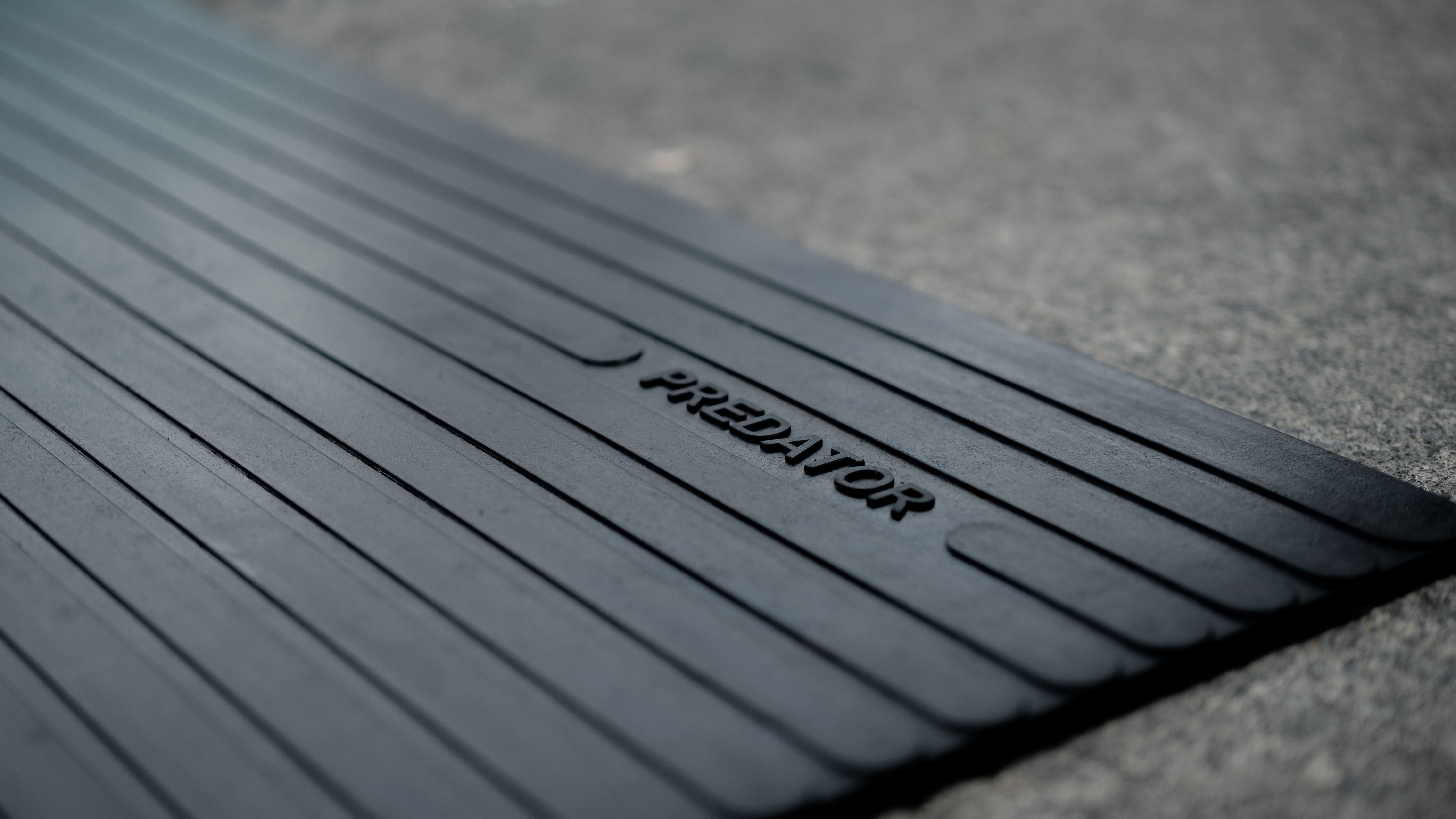
Cow mats should be installed tightly without gaps. Gaps between mats can cause dirt to accumulate and pose a risk of cows' feet getting stuck. Predator cow mats are designed with a system that facilitates precise installation.
4. Orient the Carpet Pattern Correctly
The pattern and fibers on cow carpets have an anti-slip function. Ensure that the installation direction follows the cow's movement path for maximum grip.
5. Perform Regular Checks
Proper cow carpet placement also includes maintenance. Perform regular checks to ensure that the carpet has not shifted and remains firmly attached to the barn floor.

Positive Impact for Farmers
With the right method of placing cow mats, farmers will experience tangible benefits:
  • - Reduced risk of foot injuries in cows
  • - Cows are calmer and less prone to stress
  • - Barns are cleaner and easier to maintain
  • - Livestock productivity increases

This is why Predator not only sells cow mats, but also provides comfortable cow barn solutions based on proven methods.

Cow mats are a long-term investment for farmers. However, without the proper placement method, their benefits won't be optimal. By following Predator's cow mat placement method, farmers can create comfortable, safe barns that maximize livestock performance.
Predator – Barn Flooring Solutions for Modern Farmers.

Share Article

Predator Rubber Team

Our expert team is dedicated to providing quality information about livestock farming and animal welfare.

Expert in Animal Welfare & Quality Products

Related Articles

Cows Standing More Often and Rarely Lying Down? There Could Be a Problem with Your Barn

Cows Standing More Often and Rarely Lying Down? There Could Be a Problem with Your Barn

Many farmers are unaware of one important sign of an uncomfortable cow: cows stand more often and rarely lie down. At first glance, it may seem trivial, even considered normal. However, this behavior is a strong signal that the conditions in the pen are not conducive to livestock comfort.If left unchecked, the habit of cows rarely lying down can have a direct impact on their health, productivity, and maintenance costs.Lying Down Is Not Just RestingWhen a cow lies down, its body is at its most relaxed state. This is the phase during which optimal energy recovery occurs. Cows that get enough time to lie down tend to have better appetites, stable growth, and lower stress levels.Conversely, cows that are reluctant to lie down usually find the floor of the pen too hard, slippery, cold, or damp. As a result, they choose to stand longer even though their bodies are tired.The Negative Impact of Cows Standing Too LongCattle that stand too frequently are at risk of developing foot and hoof problems. Constant pressure can lead to lameness, sores, and even infections. In the long term, this condition reduces cattle performance and increases healthcare costs.Ironically, farmers often only realize this problem when the cows are already showing signs of illness or having difficulty moving.The Cage Floor is a Major FactorThe main reason why cows are reluctant to lie down is almost always related to the cow shed floor. Floors that are not soft and always wet make cows feel unsafe to lie down.This issue is often related to previous articles about quickly smelly cages and minor cage errors. They all come back to the same point: a suboptimal cage flooring system.Cow Rugs Help Cows Lie Down More ComfortablyUsage Predator cow rugThis helps create a softer, non-slippery, and warmer floor surface. This allows cows to lie down and rest comfortably.When cows start lying down more often, farmers will see positive behavioral changes: the cows are calmer, less stressed, and their physical condition is more stable.Cow Comfort is an InvestmentComfortable cows not only appear healthier but are also more profitable. Paying attention to small habits, such as the frequency of lying down, can be the first step in improving overall farm performance.Predator is here to help Indonesian breeders create truly comfortable cages, starting with the right cage flooring.

Read More
The Importance of a Good Drainage System in Cow Sheds

The Importance of a Good Drainage System in Cow Sheds

Drainage is often the least noticed part of a barn. However, a poor drainage system can lead to various health and hygiene problems.Water that does not flow properly will stagnate and increase the humidity of the cage.Impact of WaterloggingStagnant water mixed with urine and feces accelerates the development of an ammonia odor. Besides being annoying, this condition also increases the risk of skin diseases and nail infections.Floors that are always wet also make it easy for cows to slip and get injured.Effective Drainage Maintains HealthA good drainage system ensures water drains quickly out of the enclosure. Floor surfaces remain drier, cleanliness is maintained, and odors are minimized.However, drainage alone is not enough if the floor surface is still slippery and hard.The Right System CombinationCombining good drainage with the use of Predator cattle mats helps create a more stable barn environment. The surface is safer, less slippery, and more comfortable for the cattle.ConclusionDrainage is more than just a water channel, but a vital part of modern barn management. With the right system, health risks can be minimized and productivity maintained.

Read More
Rainy Season and the Challenges of Modern Cow Sheds

Rainy Season and the Challenges of Modern Cow Sheds

The rainy season brings great risks for beef cattle. High humidity can worsen floor conditions and increase the risk of nail disease.Common Problems During the Rainy Season- Wet floor- Puddle- The smell increases- The cow is reluctant to lie down- Risk of nail infectionFloors that are too cold and wet make cows uncomfortable. As a result, they rest less and stress increases.How to Anticipate- Make sure the floor slope is sufficient- Use a flooring system that does not absorb water- Repair the drainage channels- Increase the frequency of cleaningModern cattle housing systems must be able to adapt to seasonal changes. Investing in the right flooring structure helps maintain stable productivity throughout the year.When the rainy season arrives, humidity and the risk of muddy floors increase.Predator Cow CarpetIt's designed to resist water absorption, remain stable in wet conditions, and help keep cattle secure. Ensure your barn is ready for the rainy season without compromising livestock comfort and productivity.

Read More
Predator Cow Mat – Small Investment, Big Results for Farmers

Predator Cow Mat – Small Investment, Big Results for Farmers

Challenges in the Livestock IndustryCattle farming, whether its beef or dairy both requires precision, consistency, and the right management strategy. Success is not only about providing proper feed and veterinary care, but comfort in the barn also plays a crucial role in determining productivity. Many farmers still rely on concrete or bare soil floors for their barns. Unfortunately, these surfaces often create problems: slippery when wet, damp during the rainy season, and too hard for cows to rest comfortably. Such conditions can cause stress, joint injuries, or infections, ultimately lowering productivity. A simple yet highly effective solution to this long standing problem is the use of cow mats designed specifically for barns. One of the best options available today is the Predator Cow Mat.Predator Cow Mat: A Modern SolutionPredator Cow Mat is specially engineered to meet the needs of modern livestock management. Made from a combination of high quality nylon fibers and reinforced rubber, it is strong, durable, and comfortable for cattle.Key Features:Moisture Resistant & Quick Drying Prevents excessive dampness in the barn, keeping the floor dry and reducing unpleasant odors.Anti Slip Surface Provides a stable grip, reducing the risk of cows slipping and injuring themselves.Comfortable for Resting With a thickness of 12 mm (and above), the mat provides a softer surface, preventing knee or joint injuries when cows lie down.Durable & Long-Lasting Withstands the heavy weight of cattle and daily wear, offering long term reliability.Easy to Clean Dirt and manure can be washed away easily with water, saving time and labor.Flexible Sizing Available in a standard size of 110 x 200 cm with 12 mm thickness, but can be customized to fit specific barn needs.Real Benefits for FarmersThe Predator Cow Mat is more than just a comfort upgrade, it delivers tangible benefits for livestock farmers:Healthier Cattle A dry and comfortable environment helps reduce the risk of infections, skin diseases, and injuries.Improved Productivity Dairy cows produce more milk when they feel comfortable, while beef cattle grow faster with reduced stress.Lower Maintenance Costs Healthier cattle reduce veterinary expenses, while the mat’s durability saves on replacement costs.Professional Barn Image Clean, hygienic, and modern barns enhance the professional reputation of any livestock business.In livestock farming, every detail counts. The Predator Cow Mat proves that a small investment can bring big results. With its durability, comfort, and practicality, this product helps create healthier barns, more productive cattle, and long term benefits for farmers.👉 It’s time to modernize your barn with Predator Cow Mat and experience the difference yourself!📞 Contact us today: +62 812-5251-1238

Read More
The Impact of Barn Cleanliness on Milk Quality and Grading

The Impact of Barn Cleanliness on Milk Quality and Grading

Barn cleanliness has a direct impact on the quality of milk produced by dairy cows. Dirty and humid barn environments increase exposure to pathogenic bacteria, particularly those originating from manure and urine. These conditions raise the risk of milk contamination during milking, increase the Total Plate Count (TPC), and elevate the likelihood of mastitis, which is one of the main causes of declining milk grades.Poor barn hygiene also affects cow comfort. Cows that frequently lie on wet or dirty floors are more prone to udder infections and skin lesions. As a result, milk quality declines, bacterial levels rise, and milk may be rejected or priced lower by dairy processors. FAO states that poor barn hygiene practices are directly correlated with higher incidences of both clinical and subclinical mastitis in dairy cows.Maintaining barn cleanliness does not have to be complicated. Regular cleaning, proper drainage systems, adequate ventilation, and the use of bedding that is easy to clean and remains dry can significantly reduce contamination risks. A clean barn supports healthier cows, better milk quality, and more consistent milk grades, ultimately having a direct impact on farmers’ income.

Read More
Link copied successfully!