A Comfortable Pen Isn't Just About Cleanliness: This Is the Key to Cattle Productivity That Farmers Often Overlook
Artikel Peternakan
3 min read

A Comfortable Pen Isn't Just About Cleanliness: This Is the Key to Cattle Productivity That Farmers Often Overlook

03 February 2026
3 months ago
In modern animal husbandry, barns are no longer simply shelters for cattle. Comfortable barns are the foundation for livestock health, cost efficiency, and increased productivity. Unfortunately, many farmers still focus on feed and medication, neglecting basic aspects like barn flooring and cow comfort while resting. This is where the role of barns comes in; cow rugs are a solution that is starting to be widely implemented by progressive breeders.

Why is a Comfortable Cage So Important?
Cows spend a lot of time standing and lying down. If the floor of the barn is hard, slippery, or damp, they become easily stressed, susceptible to injury, and even suffer from hoof and joint problems. The impacts are significant: decreased appetite, stunted growth, and increased health care costs.
Comfortable cattle pens will help maintain optimal physical condition. Cattle are calmer, less likely to be injured, and more efficient at converting feed into body weight. This means farmers avoid unnecessary, avoidable costs.

Common Problems with Conventional Cage Floors
Many barns still use plain cement or dirt floors. The problem is, these floors often become a major source of ammonia odor, are slippery when wet, and are difficult to keep clean. Furthermore, the long-term direct pressure on the cows' feet can cause lameness and reduce their performance.
Farmers often consider this condition normal, but if left untreated, hidden costs will continue to arise: medication, additional vitamins, and the risk of the cattle being unsaleable.

Cow Carpets: A Practical and Efficient Solution
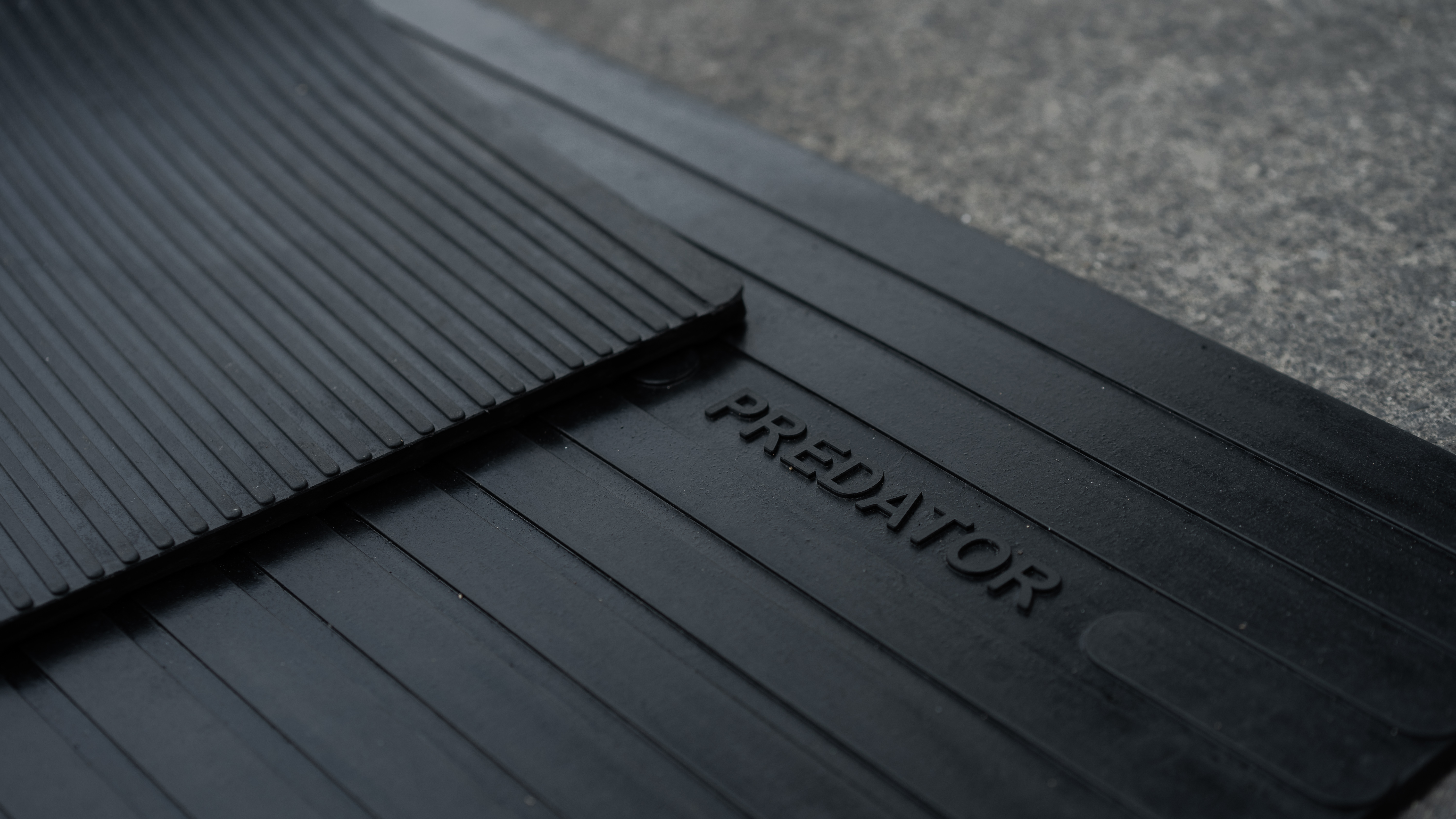
Usage Predator cow rug, this is a breakthrough in addressing the problem of barn flooring. This carpet is specifically designed for livestock farming, made from strong, non-slip material, and reduces pressure on cows' feet. Furthermore, its design helps control humidity, keeping the barn drier and preventing odors.
With the right cow matting, barn cleanliness is easier to maintain, cleaning time is reduced, and cows feel more comfortable both standing and lying down. This isn't just a matter of convenience, but a long-term investment for farmers.

Real Impact for Farmers
Farmers who have started using comfortable cow mats in their pens have seen significant changes. Cows are more active, have fewer injuries, and have more stable growth. Furthermore, maintenance costs have decreased because the risk of disease caused by damp and slippery pens has been reduced.
For both smallholder and large-scale farmers, small steps such as improving the floor of the barn can have a big impact on the final result.

Predator: Supporting Farmers to Advance
Predator is a partner for Indonesian cattle farmers, offering comfortable, safe, and durable cattle housing solutions. Predator's cattle carpet products are designed to address real-world needs, not just theoretical concepts.
If you want cleaner barns, healthier cows, and more manageable costs, it's time to turn to smarter solutions. Because successful farming always starts with comfortable barns.

Share Article

Predator Rubber Team

Our expert team is dedicated to providing quality information about livestock farming and animal welfare.

Expert in Animal Welfare & Quality Products

Related Articles

Cows Standing More Often and Rarely Lying Down? There Could Be a Problem with Your Barn

Cows Standing More Often and Rarely Lying Down? There Could Be a Problem with Your Barn

Many farmers are unaware of one important sign of an uncomfortable cow: cows stand more often and rarely lie down. At first glance, it may seem trivial, even considered normal. However, this behavior is a strong signal that the conditions in the pen are not conducive to livestock comfort.If left unchecked, the habit of cows rarely lying down can have a direct impact on their health, productivity, and maintenance costs.Lying Down Is Not Just RestingWhen a cow lies down, its body is at its most relaxed state. This is the phase during which optimal energy recovery occurs. Cows that get enough time to lie down tend to have better appetites, stable growth, and lower stress levels.Conversely, cows that are reluctant to lie down usually find the floor of the pen too hard, slippery, cold, or damp. As a result, they choose to stand longer even though their bodies are tired.The Negative Impact of Cows Standing Too LongCattle that stand too frequently are at risk of developing foot and hoof problems. Constant pressure can lead to lameness, sores, and even infections. In the long term, this condition reduces cattle performance and increases healthcare costs.Ironically, farmers often only realize this problem when the cows are already showing signs of illness or having difficulty moving.The Cage Floor is a Major FactorThe main reason why cows are reluctant to lie down is almost always related to the cow shed floor. Floors that are not soft and always wet make cows feel unsafe to lie down.This issue is often related to previous articles about quickly smelly cages and minor cage errors. They all come back to the same point: a suboptimal cage flooring system.Cow Rugs Help Cows Lie Down More ComfortablyUsage Predator cow rugThis helps create a softer, non-slippery, and warmer floor surface. This allows cows to lie down and rest comfortably.When cows start lying down more often, farmers will see positive behavioral changes: the cows are calmer, less stressed, and their physical condition is more stable.Cow Comfort is an InvestmentComfortable cows not only appear healthier but are also more profitable. Paying attention to small habits, such as the frequency of lying down, can be the first step in improving overall farm performance.Predator is here to help Indonesian breeders create truly comfortable cages, starting with the right cage flooring.

Read More
Cows Rarely Lie Down? Here's Why and the Impact on Productivity

Cows Rarely Lie Down? Here's Why and the Impact on Productivity

Some breeders often consider cows rarely lying down. However, this condition can be a sign of a serious problem.cow shed floor or the overall housing system. In modern livestock systems, the duration of lying down is an important indicator of comfortable cow shed.Naturally, cows need approximately 10–14 hours of rest per day in a lying position. When cows get enough rest, blood circulation improves, metabolism stabilizes, and growth processes are optimal. However, if cows stand more often and are reluctant to lie down, there's likely a factor causing discomfort.Reasons Why Cows Rarely Lie DownSome common causes include:- The floor of the cage is too hard thus putting excessive pressure on the joints.- The slippery surface makes the cows afraid of slipping.- Damp conditions due to poor drainage.- The pungent smell of ammonia is disturbing.- The space for movement is narrow and less safe.Cement floors without pressure dampening are a major contributing factor. For cattle weighing 800 kg to 1 ton, the pressure on the legs is enormous. Without a proper flooring system, cattle will prefer standing rather than enduring the discomfort of lying down.Impact on Growth and WeightCows that rarely lie down tend to experience:- Prolonged mild stress- Decreased appetite- Increased risk of limping- Daily weight gain slows downIn fattening efforts, small differences in increase in cattle weight can have a significant impact on profits. Therefore, ensuring a comfortable cow shed is no longer an option, but a necessity.A simple evaluation can be done by observing whether the cow appears hesitant when trying to sit. If so, there may be a problem with the cow barn's flooring system that needs to be repaired.If your cow seems to be standing more often and is reluctant to lie down, the problem could be that the floor surface is too hard or slippery.Predator Cow CarpetDesigned with pressure-damping properties and a non-slip surface to help create a comfortable cow pen, allowing cows to relax, rest more frequently, and grow optimally. Evaluate your pen now before productivity declines unnoticed.

Read More
Recognize the Signs of Healthy Cows from Their Behavior in the Pen

Recognize the Signs of Healthy Cows from Their Behavior in the Pen

Assessing cattle health doesn't always require a veterinary examination. Farmers can actually observe early signs of cattle health simply from their daily behavior in the barn.Healthy cows will exhibit consistent activity patterns. Conversely, subtle changes in behavior can be an early sign of a problem.1. Stable AppetiteHealthy cattle have a good and consistent appetite. If a cow starts to reduce her feed intake or appears reluctant to eat, it could be an indication of stress or a health problem.A comfortable barn environment helps maintain a stable appetite. Cattle that are not stressed tend to consume feed more optimally.2. Enough time to lie downHealthy cows typically have sufficient time to lie down each day. Lying down helps restore energy and maintain body balance.If cows rarely lie down, the floor of the barn may be too hard, slippery, or damp. These conditions make it uncomfortable for the cows to rest.3. Active and Stable MovementPay attention to how the cow walks. Healthy cows move steadily, don't limp, and don't appear to be in pain when standing. Leg problems often stem from poor barn flooring.Usage Predator cow rug helps create a safer footing and reduces the risk of foot injury.4. Clean and Not Dull FurA cow's health is also reflected in the condition of its coat. A clean, matted coat indicates good barn management. An environment that is too humid or smelly can affect the physical condition of the cattle.5. Calm and Uneasy BehaviorHealthy cows tend to be calmer. If a cow appears restless, frequently shifts position, or is easily startled, there may be environmental factors causing discomfort.A dry, non-slippery, and well-ventilated pen helps keep livestock calm.Health Starts from the EnvironmentMost indicators of cattle health are closely related to barn conditions. Comfortable barn floors, good hygiene, and proper management are the key foundations.Predator is here to help Indonesian farmers create more comfortable cattle pens and support the overall health of their livestock.By understanding the daily behavior of cattle, farmers can detect problems more quickly and maintain maximum productivity.

Read More
Premium Cow Shed Carpet: A Comfortable Solution for Healthier and More Productive Cows

Premium Cow Shed Carpet: A Comfortable Solution for Healthier and More Productive Cows

What is a Cow Shed Carpet?Cow stall mats are special mats made from high-quality rubber used to improve comfort and hygiene inside the stall. These products are designed to reduce the risk of injury, maintain hygiene, and improve overall livestock performance.Benefits of Cow Shed Carpets for Farmers1. Improve Cow HealthThe soft carpet surface helps reduce pressure on the cow's feet, thereby minimizing the risk of injuries and foot diseases such as lameness.2. Cleaner and More Hygienic CagesRubber carpets do not absorb dirt, so they are easier to clean than regular cement floors.3. Reducing Stress in LivestockComfortable cows will be calmer, less stressed, and have a direct impact on increasing the weight and quality of production.4. More Durable and Long LastingPremium carpets have high resistance to heavy pressure and humid cage conditions.Why Should You Use Cow Shed Carpets Directly from Manufacturers?Buying directly from the manufacturer offers many advantages:- More affordable prices without intermediaries- Quality assured with strict QC process- Can customize the size according to cage needs- Direct consultation support from expertsCharacteristics of Quality Cow Shed CarpetsBefore purchasing, make sure the carpet has the following specifications:- Ideal thickness (12mm, 14mm, up to 16mm)- Anti-slip surface (not slippery)- Not easy to crack or break- Elastic yet strong- Resistant to water and cage wasteComparison of Cow Carpet ThicknessChoosing the thickness of the cow shed carpet is very important because it directly affects the comfort and durability of use.Carpet with thickness 12mm It's usually the most economical option. It's suitable for small-scale farms or for farmers just starting to invest in comfortable housing.Meanwhile, the thickness 14mm It offers a balance between price and quality. This type is widely used by medium-scale livestock farmers because it is soft, strong, and durable enough for daily use.For maximum needs, carpet with thickness 16mm is the best choice. This carpet is softer, more resistant to heavy pressure, and is ideal for intensive farming where cow comfort and long-term durability are paramount.The Impact of Carpet Use on Cattle ProductivityMany farmers are beginning to realize that the comfort of their pens significantly impacts livestock production. By using carpets:- Cows rest more often- Increased appetite- More optimal growth- The risk of loss due to injury is reducedConclusionCow barn carpeting is not just an accessory, but a crucial investment in improving the quality of livestock farming. By choosing the right product, farmers can improve efficiency, livestock health, and long-term profitability.

Read More
Link copied successfully!