Premium Cow Shed Carpet: A Comfortable Solution for Healthier and More Productive Cows
Artikel Peternakan
3 min read

Premium Cow Shed Carpet: A Comfortable Solution for Healthier and More Productive Cows

22 April 2026
1 month ago
What is a Cow Shed Carpet?
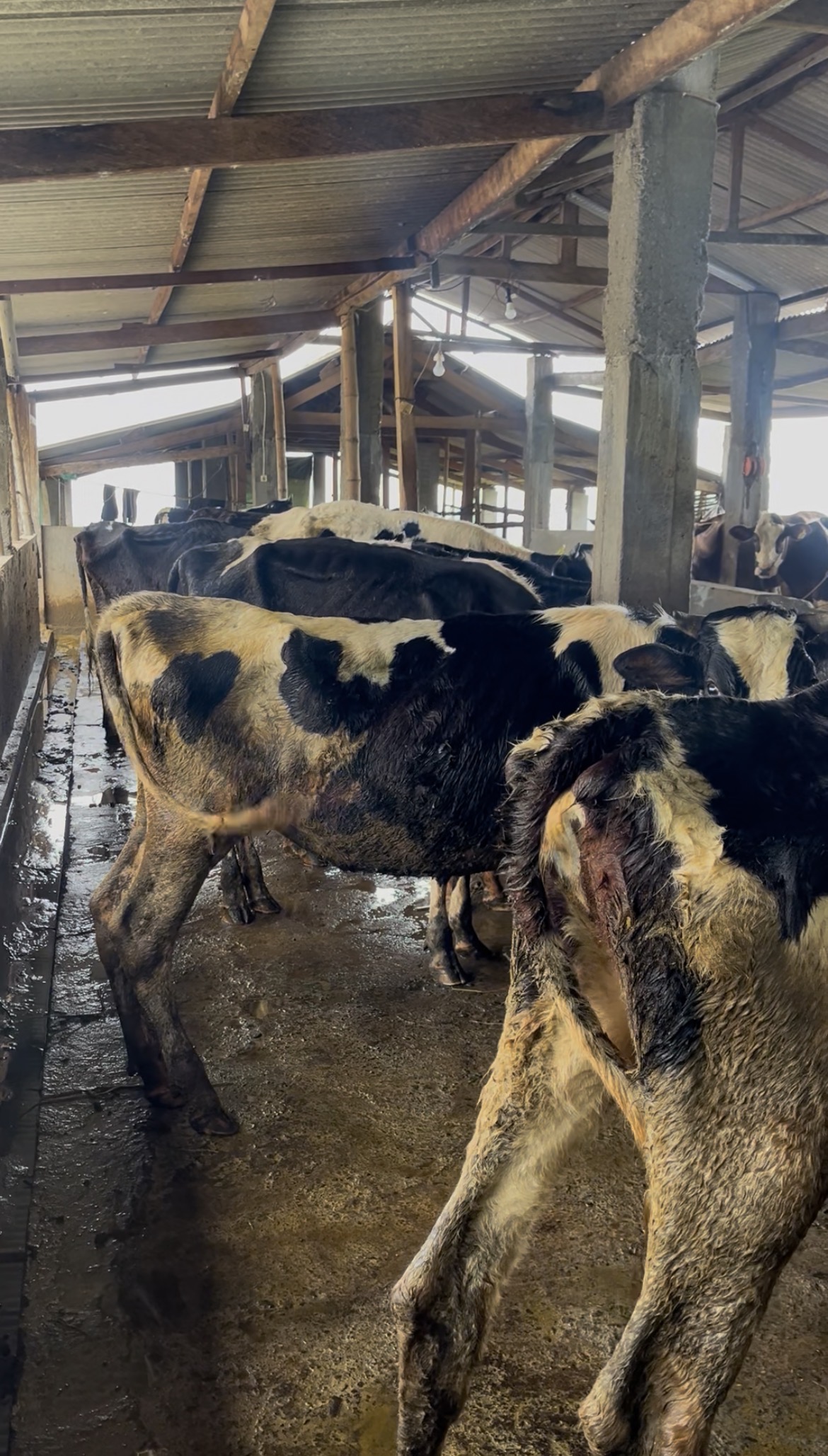
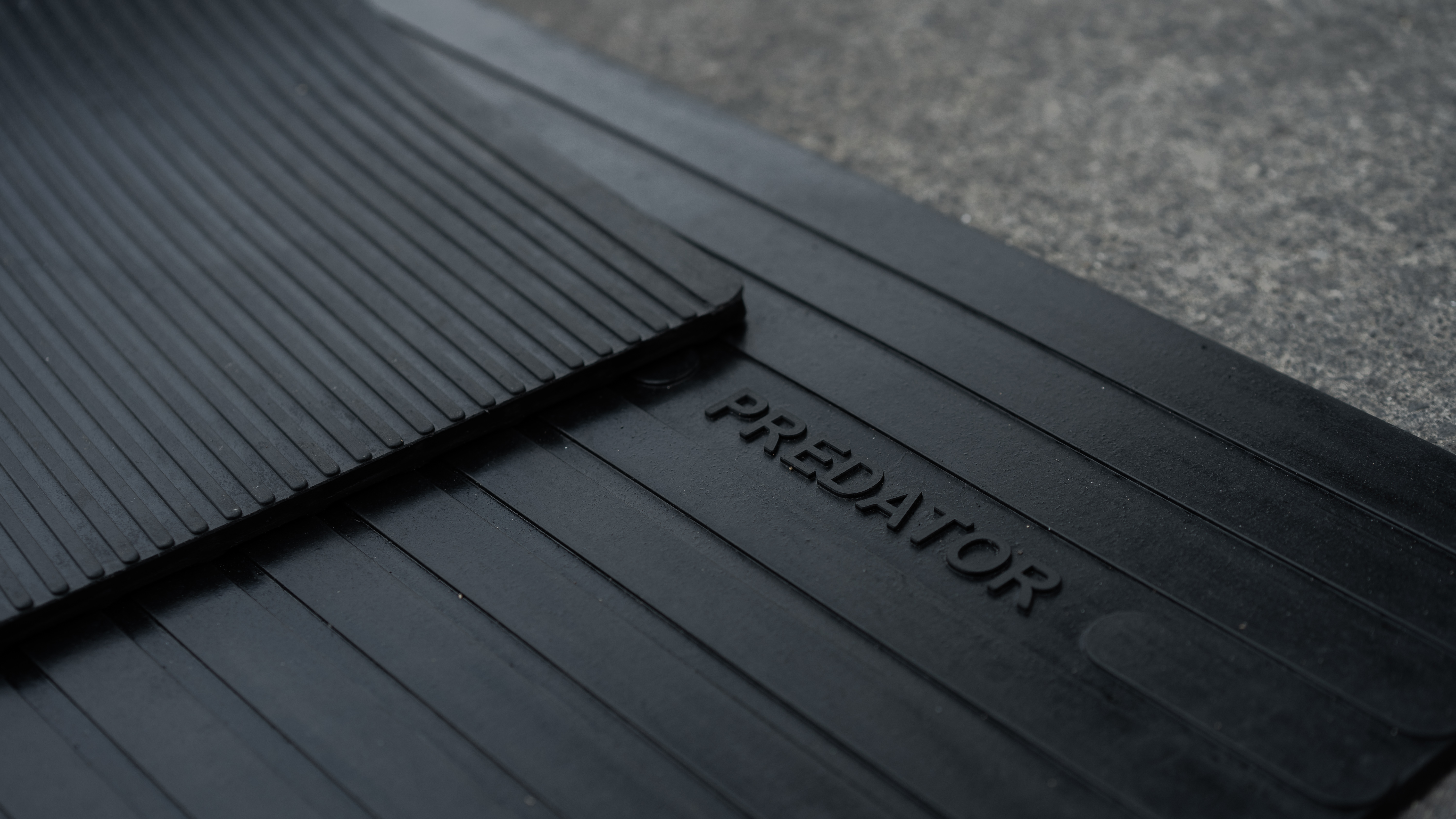
Cow stall mats are special mats made from high-quality rubber used to improve comfort and hygiene inside the stall. These products are designed to reduce the risk of injury, maintain hygiene, and improve overall livestock performance.

Benefits of Cow Shed Carpets for Farmers

1. Improve Cow Health
The soft carpet surface helps reduce pressure on the cow's feet, thereby minimizing the risk of injuries and foot diseases such as lameness.

2. Cleaner and More Hygienic Cages
Rubber carpets do not absorb dirt, so they are easier to clean than regular cement floors.

3. Reducing Stress in Livestock
Comfortable cows will be calmer, less stressed, and have a direct impact on increasing the weight and quality of production.

4. More Durable and Long Lasting
Premium carpets have high resistance to heavy pressure and humid cage conditions.

Why Should You Use Cow Shed Carpets Directly from Manufacturers?
Buying directly from the manufacturer offers many advantages:
- More affordable prices without intermediaries
  • - Quality assured with strict QC process
  • - Can customize the size according to cage needs
  • - Direct consultation support from experts

Characteristics of Quality Cow Shed Carpets
Before purchasing, make sure the carpet has the following specifications:
- Ideal thickness (12mm, 14mm, up to 16mm)
  • - Anti-slip surface (not slippery)
  • - Not easy to crack or break
  • - Elastic yet strong
  • - Resistant to water and cage waste

Comparison of Cow Carpet Thickness
Choosing the thickness of the cow shed carpet is very important because it directly affects the comfort and durability of use.

Carpet with thickness 12mm It's usually the most economical option. It's suitable for small-scale farms or for farmers just starting to invest in comfortable housing.
Meanwhile, the thickness 14mm It offers a balance between price and quality. This type is widely used by medium-scale livestock farmers because it is soft, strong, and durable enough for daily use.
For maximum needs, carpet with thickness 16mm is the best choice. This carpet is softer, more resistant to heavy pressure, and is ideal for intensive farming where cow comfort and long-term durability are paramount.


The Impact of Carpet Use on Cattle Productivity
Many farmers are beginning to realize that the comfort of their pens significantly impacts livestock production. By using carpets:
- Cows rest more often
  • - Increased appetite
  • - More optimal growth
  • - The risk of loss due to injury is reduced

Conclusion
Cow barn carpeting is not just an accessory, but a crucial investment in improving the quality of livestock farming. By choosing the right product, farmers can improve efficiency, livestock health, and long-term profitability.

Share Article

Predator Rubber Team

Our expert team is dedicated to providing quality information about livestock farming and animal welfare.

Expert in Animal Welfare & Quality Products

Related Articles

The Impact of Barn Cleanliness on Milk Quality and Grading

The Impact of Barn Cleanliness on Milk Quality and Grading

Barn cleanliness has a direct impact on the quality of milk produced by dairy cows. Dirty and humid barn environments increase exposure to pathogenic bacteria, particularly those originating from manure and urine. These conditions raise the risk of milk contamination during milking, increase the Total Plate Count (TPC), and elevate the likelihood of mastitis, which is one of the main causes of declining milk grades.Poor barn hygiene also affects cow comfort. Cows that frequently lie on wet or dirty floors are more prone to udder infections and skin lesions. As a result, milk quality declines, bacterial levels rise, and milk may be rejected or priced lower by dairy processors. FAO states that poor barn hygiene practices are directly correlated with higher incidences of both clinical and subclinical mastitis in dairy cows.Maintaining barn cleanliness does not have to be complicated. Regular cleaning, proper drainage systems, adequate ventilation, and the use of bedding that is easy to clean and remains dry can significantly reduce contamination risks. A clean barn supports healthier cows, better milk quality, and more consistent milk grades, ultimately having a direct impact on farmers’ income.

Read More
The Role of Dairy Cooperatives in Maintaining Domestic Industry Stability

The Role of Dairy Cooperatives in Maintaining Domestic Industry Stability

Dairy cooperatives have long been the backbone of Indonesia’s dairy sector. Through collective systems, cooperatives help small scale farmers gain access to quality feed, veterinary services, training, and milk marketing channels. This role is crucial, considering that more than 80% of national milk production comes from smallholder farmers, who then if without cooperative support, would struggle to meet stable production standards. Studies from the Ministry of Agriculture show that farmers who join cooperatives tend to achieve higher efficiency and more stable production compared to those operating independently.At the same time, cooperatives also act as economic stabilizers. When milk prices drop or supply disruptions occur, cooperatives help safeguard farmers income through purchase agreements and more predictable pricing structures. Strengthening cooperatives benefits not only farmers but also serves as a national strategy to secure the sustainability of the domestic dairy industry, when especially as Indonesia still depends on imports for more than 70% of its milk needs. With modern management, transparency, and strong industry collaboration, cooperatives can continue to be the driving force behind the advancement of Indonesia’s dairy farming sector.

Read More
Cows Often Slip? Don't Take It Lightly

Cows Often Slip? Don't Take It Lightly

Many farmers focus on feed and vitamins, but forget one crucial aspect: the condition of the barn floor. Slippery floors can be a major cause of cow stress, injury, and even loss of productivity.Why Do Cows Slip Easily?Wet, hard, and slippery barn floors make it difficult for cows to walk. This is especially true given their heavy body weight. One slip can have serious consequences:- Sore or swollen feet- Difficulty standing- Decreased appetite- Milk production or weight also decreases- Increased risk of infectionMany cases of cows appear healthy at first, but after being injured by slipping, their condition slowly declines.Impacts That Farmers Often Don't RealizeInjuries to cattle aren't just physical. Cows in pain are more prone to stress. As stress increases, productivity suffers.In dairy cows, milk production can decrease. Meanwhile, in fattening cows, weight gain slows because the cows are less likely to move and eat.Losses like this often come slowly so that many farmers are unaware that the source of the problem comes from the floor of the cage.A Simple Solution That Is Starting to Become Widely UsedNowadays, many farmers are starting to use cow shed carpets as additional flooring to help reduce slipperiness on the floor.Cage carpets help:- Reducing the risk of cows slipping- Makes the footing more comfortable- Reduce pressure on the cow's legs- Helping to keep the barn clean- Make the cage more durable and neatA comfortable cage does not mean luxurious, but safe for livestock every day.Modern Farmers Begin to Prioritize Livestock ComfortModern animal husbandry focuses not only on livestock numbers but also on the comfort and health of the cows. Comfortable cows tend to be healthier and more productive.Small things like repairing the floor of the cage often have a big impact in the long run.ConclusionCow slips are no small matter. A minor injury can escalate into a major loss if not prevented early. Therefore, it's crucial for farmers to pay attention to the condition of their pens, especially the floor, which is used daily.A safe and comfortable pen helps maintain cow health, increases productivity, and optimizes livestock farming efforts.

Read More
The impact of high quality feed on dairy production and health

The impact of high quality feed on dairy production and health

Proper and high quality cattle feed roughly contribute 60% - 70% of livestock budget, therefor it heavily implies its quality on dairy productivity. Dairy cow need balance energy, protein, fiber, vitamin, and mineral to ensure stability on dairy production. Data from ministry of agriculture and various livestock feed research center shows that refined quality forage, fermentation, and concentrate formulation could increase local dairy production over 15% - 30%. Well balancecd nutrition could also help prevent disease case such as masititis, ketosis, and reproduction interference.Aside from quality, forage consistency is also a crucial thing. Sudden shift in ration could disrup rumen microbe, lower appetite, and inflict SARA (Sub-Accute Ruminal Acidosis). Farm that properly upheld its feed quality have higher pregnancy rate on their cattle and promote longevity. Its not always about the cost nor budget on livestock feed, but its a major investmen that decide whether the farm is continuing its production or not at all.

Read More
Small Mistakes in Cow Sheds That Seem Trivial, But Secretly Drain Farmers' Costs

Small Mistakes in Cow Sheds That Seem Trivial, But Secretly Drain Farmers' Costs

Many farmers feel they work hard every day: keeping the barn clean, feeding the cattle on time, and spraying them regularly to prevent odor. Yet, oddly, the costs still seem high, and livestock yields are suboptimal. If this is a frequent experience for you, the problem may not be with the feed or medication, but rather with the livestock itself, a minor error in the cow shed which is often considered trivial.The cage looks clean, but it's not comfortable.Cleaning the pen is important, but cleanliness alone isn't enough. Pens that are frequently sprayed with water but don't dry quickly actually lead to excess humidity. This condition makes the floor slippery, causes an ammonia odor, and makes the cows susceptible to foot problems.Uncomfortable cattle will stand more often, lie down less often, and become easily stressed. As a result, energy that should be used for growth is instead used to adapt to the less-than-ideal barn environment.Cage Floors: An Often Overlooked Source of ProblemsOne of the most common mistakes is leaving the cage floor hard and cold. Plain cement or dirt floors may seem sturdy, but in the long run, they can cause lameness, hoof injuries, and infections.These problems are often not immediately apparent. Farmers only realize it when the cow begins to have difficulty standing, loses appetite, or doesn't reach target body weight. By this point, additional medical and care costs have already been incurred.Small Expenses That Continue Every DayUncomfortable pens create hidden costs: medication, extra vitamins, extra labor, and even the risk of delayed harvest. When calculated, these small expenses can far outweigh the initial investment in pen repairs.Farmers often focus on rising feed prices, even though cage efficiency can have a big impact on daily expenses.Cow Carpets as a Real SolutionUsage Predator cow rug is a practical solution to address barn floor issues. This carpet is designed to be non-slip, softer, and helps keep the barn dry. This reduces pressure on the cows' feet, reduces the risk of injury, and allows them to rest more comfortably.With more stable housing conditions, cattle are calmer, less likely to get sick, and grow optimally. This means maintenance costs can be reduced without compromising the quality of care.Smart Farmers Focus on the Root of the ProblemProgressive farmers aren't the ones who spray their pens the most, but rather the ones who understand the root of the problem. Improving pen flooring and cow comfort is a strategic step that often goes unnoticed.Predator is here to help Indonesian farmers reduce small mistakes that can have big consequences. With the right housing solutions, costs can be controlled and livestock yields maximized.Because in animal husbandry, coop comfort is not an additional cost, but a long-term investment.

Read More
Farmer Regeneration: Why Are Young People Reluctant to Enter the Dairy Farm World?

Farmer Regeneration: Why Are Young People Reluctant to Enter the Dairy Farm World?

Farmer regeneration has become one of the biggest challenges in Indonesia’s dairy sector. Most dairy farmers today are over 45 years old, and interest from younger generations to continue the family business is steadily declining. Despite strong market demand for milk, dairy farming is still seen as hard, dirty work and less prestigious compared to modern jobs that offer flexibility. Limited access to capital, unstable milk prices, and high feed costs also make dairy farming seem financially unattractive to young people.On the other hand, younger generations tend to seek jobs with stable income, clear career growth, and a more modern work environment. Yet FAO reports show that modernizing dairy farms such using sensors, monitoring apps, and improved feed management systems can significantly boost efficiency and make daily work much easier for new farmers. Still, without education, training, and affordable access to technology, this transformation remains difficult to achieve.Farmer regeneration is not simply about replacing an aging workforce, it’s more about securing the future of the national dairy industry. Government, cooperatives, and industry stakeholders must work together to build an ecosystem that appeals to young people leading to a more modern, more profitable, and more sustainable.

Read More
Link copied successfully!