Cows Rarely Lie Down? Here's Why and the Impact on Productivity
Artikel Peternakan
2 min read

Cows Rarely Lie Down? Here's Why and the Impact on Productivity

30 March 2026
2 months ago
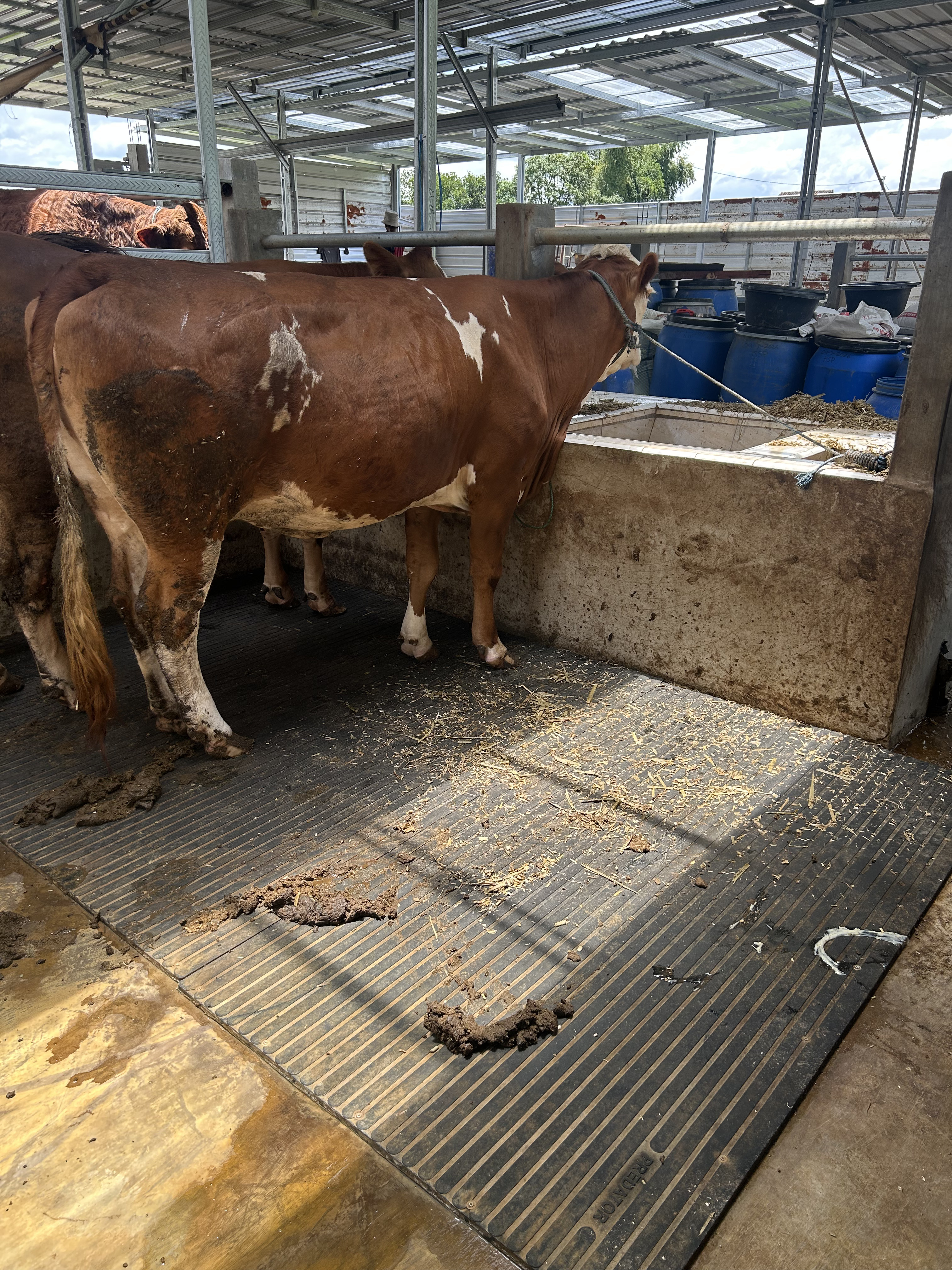
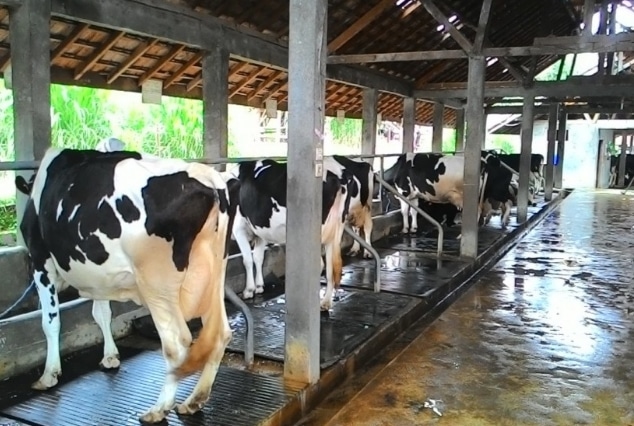
Some breeders often consider cows rarely lying down. However, this condition can be a sign of a serious problem.cow shed floor or the overall housing system. In modern livestock systems, the duration of lying down is an important indicator of comfortable cow shed.

Naturally, cows need approximately 10–14 hours of rest per day in a lying position. When cows get enough rest, blood circulation improves, metabolism stabilizes, and growth processes are optimal. However, if cows stand more often and are reluctant to lie down, there's likely a factor causing discomfort.

Reasons Why Cows Rarely Lie Down
Some common causes include:
- The floor of the cage is too hard thus putting excessive pressure on the joints.
  • - The slippery surface makes the cows afraid of slipping.
  • - Damp conditions due to poor drainage.
  • - The pungent smell of ammonia is disturbing.
  • - The space for movement is narrow and less safe.

Cement floors without pressure dampening are a major contributing factor. For cattle weighing 800 kg to 1 ton, the pressure on the legs is enormous. Without a proper flooring system, cattle will prefer standing rather than enduring the discomfort of lying down.

Impact on Growth and Weight
Cows that rarely lie down tend to experience:
- Prolonged mild stress
  • - Decreased appetite
  • - Increased risk of limping
  • - Daily weight gain slows down

  • In fattening efforts, small differences in increase in cattle weight can have a significant impact on profits. Therefore, ensuring a comfortable cow shed is no longer an option, but a necessity.
    A simple evaluation can be done by observing whether the cow appears hesitant when trying to sit. If so, there may be a problem with the cow barn's flooring system that needs to be repaired.

If your cow seems to be standing more often and is reluctant to lie down, the problem could be that the floor surface is too hard or slippery.Predator Cow CarpetDesigned with pressure-damping properties and a non-slip surface to help create a comfortable cow pen, allowing cows to relax, rest more frequently, and grow optimally. Evaluate your pen now before productivity declines unnoticed.

Share Article

Predator Rubber Team

Our expert team is dedicated to providing quality information about livestock farming and animal welfare.

Expert in Animal Welfare & Quality Products

Related Articles

Rainy Season Coming? Here Are the Hidden Risks in Cow Sheds to Watch Out For

Rainy Season Coming? Here Are the Hidden Risks in Cow Sheds to Watch Out For

The rainy season is often considered a blessing due to cooler temperatures and abundant forage. However, livestock farmers often face significant challenges: damp, muddy pens that pose health risks to their cattle. If not properly managed, the rainy season can lead to increased maintenance costs and decreased livestock performance.This article discusses the hidden risks in cattle pens during the rainy season and the preventative measures that farmers can take.Humidity Height Triggers Health ProblemsHeavy rainfall drastically increases the humidity in the barn. Floors that are difficult to dry create an ideal environment for bacteria and fungi to thrive. As a result, cows are more susceptible to skin diseases, hoof infections, and even respiratory problems.This problem often appears slowly and is considered normal. However, excessively damp barns are one of the main triggers for a reduced immune system in cattle.Slippery Floors and Risk of InjuryDuring the rainy season, barn floors become more slippery. Water mixed with manure makes the surface even more dangerous. Cows that slip risk leg and joint injuries.Minor injuries can have significant consequences if not treated promptly. Besides medical costs, livestock productivity can also decrease due to discomfort in movement.The smell appears fasterExcessive humidity accelerates the decomposition of urine and manure. This is why cow sheds often smell more quickly during the rainy season. The pungent odor not only disturbs the surrounding environment but also affects the cows' well-being.Cattle in uncomfortable environments tend to become stressed and lose their appetite. In the long term, this impacts growth and crop yields.The Importance of a Supportive Floor SystemFacing the rainy season doesn't mean farmers need to undertake major renovations. The main focus is on the barn flooring system, which helps reduce waterlogging and maintains a stable surface.Usage Predator cow rug is a solution that helps create safer and more comfortable footing. The non-slip, quick-drying surface helps reduce the risk of injury and maintains optimal cage hygiene.With the right flooring system, the rainy season is no longer a major threat to livestock health.Better Preparation, Less RiskFarmers who are prepared for the rainy season usually anticipate it well in advance. Ensuring proper drainage, regulating air circulation, and repairing barn floors are all strategic steps they can take.Predator is here to help Indonesian farmers create more weather-resistant cattle pens. Comfortable and safe pens are key to maintaining stable productivity throughout the season.Don't wait for problems to arise during the rainy season. Prepare your pen now to keep your cattle healthy and keep costs under control.

Read More
Technologies role on dairy farm efficiency

Technologies role on dairy farm efficiency

Digital transformation is starting to make its mark in the dairy sector, promoting better work efficiency and improved cattle care. Technologies such as AMS (Automatic Milking System), wearable sensors, and app-based monitoring systems can record cattle’s daily activities, detect early signs of heat and fertility, monitor body temperature, and even predict potential metabolic diseases before symptoms appear. FAO stated that precision livestock farming can increase feed efficiency by up to one quarter while reducing the incidence of common dairy cow diseases.In simpler applications, the use of cooling systems, optimal lighting, and high-quality bedding has been proven to increase cow comfort, which directly supports better productivity. Farmers who adopt proper comfort practices generally show increased milk production and decreased heat stress. Simply put, technology can be a helpful tool, and it doesn’t have to be expensive. Even small improvements can create significant results when applied consistently.

Read More
The Impact of Barn Cleanliness on Milk Quality and Grading

The Impact of Barn Cleanliness on Milk Quality and Grading

Barn cleanliness has a direct impact on the quality of milk produced by dairy cows. Dirty and humid barn environments increase exposure to pathogenic bacteria, particularly those originating from manure and urine. These conditions raise the risk of milk contamination during milking, increase the Total Plate Count (TPC), and elevate the likelihood of mastitis, which is one of the main causes of declining milk grades.Poor barn hygiene also affects cow comfort. Cows that frequently lie on wet or dirty floors are more prone to udder infections and skin lesions. As a result, milk quality declines, bacterial levels rise, and milk may be rejected or priced lower by dairy processors. FAO states that poor barn hygiene practices are directly correlated with higher incidences of both clinical and subclinical mastitis in dairy cows.Maintaining barn cleanliness does not have to be complicated. Regular cleaning, proper drainage systems, adequate ventilation, and the use of bedding that is easy to clean and remains dry can significantly reduce contamination risks. A clean barn supports healthier cows, better milk quality, and more consistent milk grades, ultimately having a direct impact on farmers’ income.

Read More
Slippery Cow Shed Floors: A Risk of Injury That Threatens Profits

Slippery Cow Shed Floors: A Risk of Injury That Threatens Profits

Slippery cow barn floors are a major cause of injury on modern farms. Many farmers focus on feed and nutrition, but forget thatanti-slip cage floorvery important for livestock safety.Large cattle have a high center of gravity. When standing or sitting, they need stable footing. If the stall floor is slippery, the risk of slipping is very high.The Dangers of Slippery Floors for CowsCommon injuries include:- Injury to the knee- Muscle bruise- Joint injury- Cracked nails- Permanent limpCows that have slipped often become more alert and stressed. They will stand longer and be reluctant to lie down, which ultimately affects their performance.beef cattle productivity.The Invisible Financial ImpactThe costs of injury extend beyond medical expenses. Other impacts include:- Final weight loss- FCR worsens- Selling value down- Risk of not passing buyer selectionInvestment in the systemanti-slip and elastic cow shed floormuch cheaper than bearing the loss due to lame cows.An ideal floor should have strong grip, be water-resistant, and be able to absorb the pressure of the cows' weight. A safe housing system is the foundation of sustainable livestock farming.Livestock safety starts with stable footing.Predator Cow CarpetIt has a non-slip surface and elastic structure that helps reduce the risk of slipping in heavy cattle. This solution not only maintains the health of cattle's feet but also protects your livestock investment in the long term.

Read More
The importance of leveled cow matt placement: Placement impact on cattle health

The importance of leveled cow matt placement: Placement impact on cattle health

Cow mats are an important product for improving livestock comfort, especially for dairy cows. Proper placement of these mats can support cow health and welfare; however, careful consideration is required when determining how they should be installed inside the barn.Some high-end farmers particularly those supplying milk to large companies such as Nestlé, HUT, and Diamond, tend to install cow mats recessed into the concrete floor. This method adjusts the mat’s dimensions and thickness so that it aligns flush with the barn surface. Such an approach can be effective for farms equipped with advanced water drainage and cleaning systems that allow for regular and thorough sanitation.However, for farms with more basic facilities, especially in rural areas, this installation method may pose health risks to the cows. Recessed mats can create gaps that are difficult to clean, allowing manure, water, and feed residues to accumulate. These conditions encourage bacterial growth and disease development. Over time, this may increase the risk of infection, ultimately affecting cow health and productivity.Therefore, it is strongly recommended that cow mats be placed on top of a flat concrete surface rather than recessed into it. This approach makes installation simpler, keeps the barn cleaner, and prevents the formation of hazardous dirt traps. It also facilitates more effective barn cleaning, helping maintain a hygienic environment and reducing the risk of disease.Ultimately, farmers should adjust cow mat placement methods according to their barn conditions and management systems, whether operating large scale commercial farms or small rural holdings.

Read More
Link copied successfully!