Artikel Peternakan
3 min read
After Realizing the Mistake, Here Are Real Steps to Improve Your Cow Shed to Make It More Efficient
11 February 2026
3 months ago
In the previous article, we discussed minor errors in the cow shed what seems trivial can actually slowly drain a farmer's finances. From damp, slippery floors to pens that look clean but aren't truly comfortable for the cows. The question now is,What concrete steps can farmers take after realizing these mistakes?
This article is a continuation and practical guide so that farmers do not stop at the "problem awareness" stage, but actually move on to solutions.
This article is a continuation and practical guide so that farmers do not stop at the "problem awareness" stage, but actually move on to solutions.
Evaluation of the Pen from the Cow's Perspective
The first step that farmers often overlook is viewing the pen from the cow's perspective. Take a look at:
- Do cows often stand and rarely lie down?
The first step that farmers often overlook is viewing the pen from the cow's perspective. Take a look at:
- Do cows often stand and rarely lie down?
- - Does the floor feel cold, hard, or slippery when you walk on it?
- - Does the smell appear quickly even though the cage is cleaned regularly?
If the answer is yes, it means the barn isn't fully supporting the cows' comfort. However, comfortable cows are calmer, healthier, and grow more efficiently.
Focus on Repairs on the Cage Floor
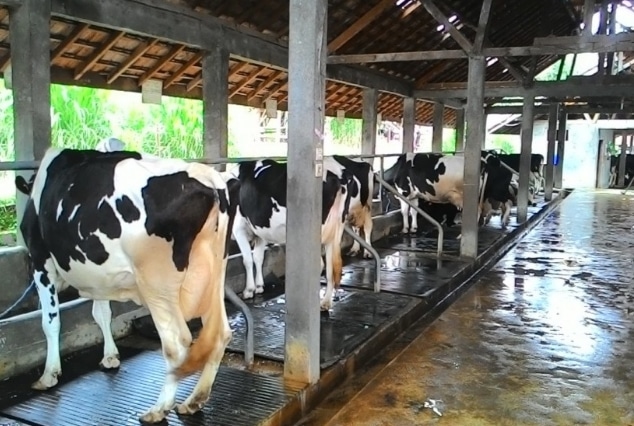
Of the various cage factors,cow shed flooris the most crucial point. The floor, which comes into direct contact with the cows' feet and bodies, has a significant impact on the health of their hooves, joints, and stress levels.
Repairing the floor doesn't always mean completely dismantling the barn. Many farmers are turning to practical solutions that can be implemented immediately without disrupting daily activities, such as adding a special padding to the cows' footing area.
Of the various cage factors,cow shed flooris the most crucial point. The floor, which comes into direct contact with the cows' feet and bodies, has a significant impact on the health of their hooves, joints, and stress levels.
Repairing the floor doesn't always mean completely dismantling the barn. Many farmers are turning to practical solutions that can be implemented immediately without disrupting daily activities, such as adding a special padding to the cows' footing area.
Reducing Costs the Smarter Way
A common mistake farmers make is to continually increase downstream costs, such as medication and vitamins, without addressing the root of the problem. However, by improving housing conditions, the need for additional care can be minimized from the outset.
This is why a comfortable cage is not an expense, but rather along-term cost-saving toolThe lower the risk of injury and stress to cattle, the lower the unexpected costs.
Cow Carpets as an Effective Transitional Step
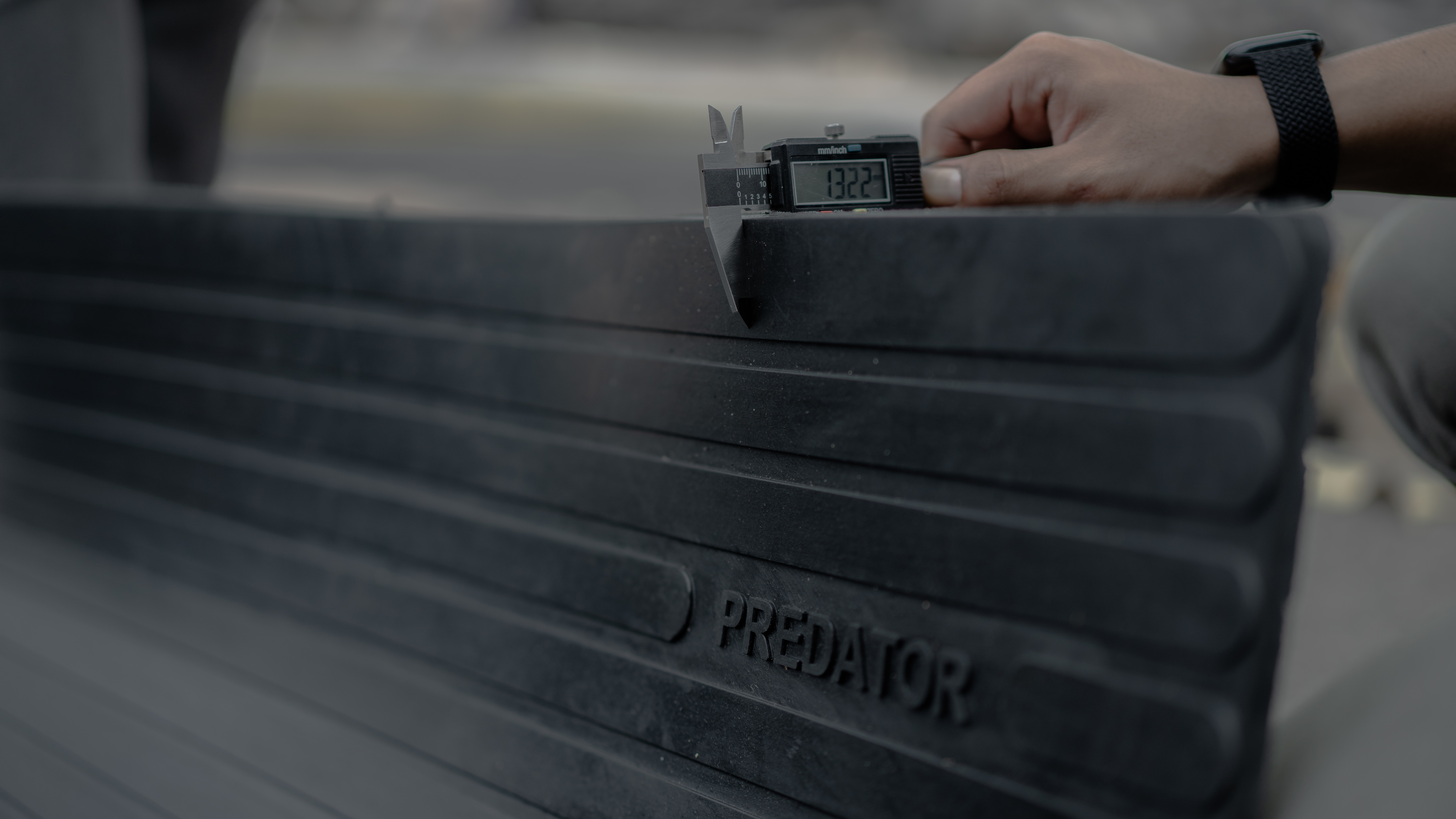
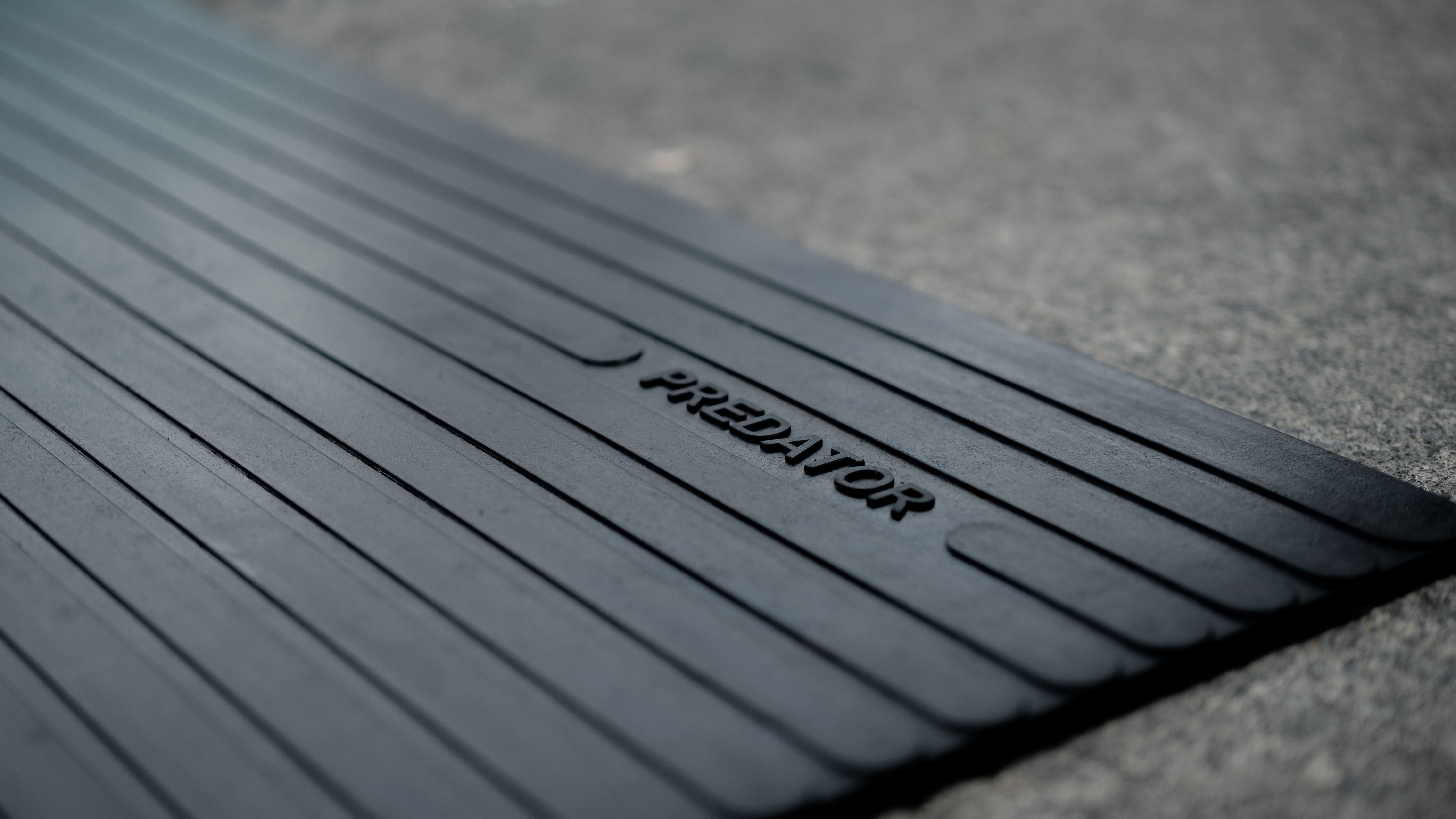
As a continuation of the previous discussion, the use ofPredator cow rugis one of the most realistic transition steps for farmers. Without the need for major renovations, the barn floor can be softer, less slippery, and easier to keep clean.
Cow mats help create a more stable barn environment. Cows are more comfortable standing and lying down, allowing their energy to be focused on growth and production, rather than adapting to the harsh floor.
A common mistake farmers make is to continually increase downstream costs, such as medication and vitamins, without addressing the root of the problem. However, by improving housing conditions, the need for additional care can be minimized from the outset.
This is why a comfortable cage is not an expense, but rather along-term cost-saving toolThe lower the risk of injury and stress to cattle, the lower the unexpected costs.
Cow Carpets as an Effective Transitional Step
As a continuation of the previous discussion, the use ofPredator cow rugis one of the most realistic transition steps for farmers. Without the need for major renovations, the barn floor can be softer, less slippery, and easier to keep clean.
Cow mats help create a more stable barn environment. Cows are more comfortable standing and lying down, allowing their energy to be focused on growth and production, rather than adapting to the harsh floor.
From a More Comfortable Cage to Maximum Results
Farmers who implement simple improvements to their barns typically begin to see a gradual impact. Cows appear calmer, experience fewer leg problems, and perform more consistently.
Here is the common thread from the previous article: “Small mistakes will continue to cost money if left unchecked, but simple solutions can make a big difference if implemented correctly..”
Farmers who implement simple improvements to their barns typically begin to see a gradual impact. Cows appear calmer, experience fewer leg problems, and perform more consistently.
Here is the common thread from the previous article: “Small mistakes will continue to cost money if left unchecked, but simple solutions can make a big difference if implemented correctly..”
Predator is committed to assisting Indonesian livestock farmers to upgrade their livestock, starting with more comfortable, safe, and efficient cages.
If you haven't read the previous article about minor mistakes in cow barns, be sure to read it first to understand the root of the problem before implementing the solution.
If you haven't read the previous article about minor mistakes in cow barns, be sure to read it first to understand the root of the problem before implementing the solution.