The importance of leveled cow matt placement: Placement impact on cattle health
Artikel Peternakan
2 min read

The importance of leveled cow matt placement: Placement impact on cattle health

08 September 2025
8 months ago
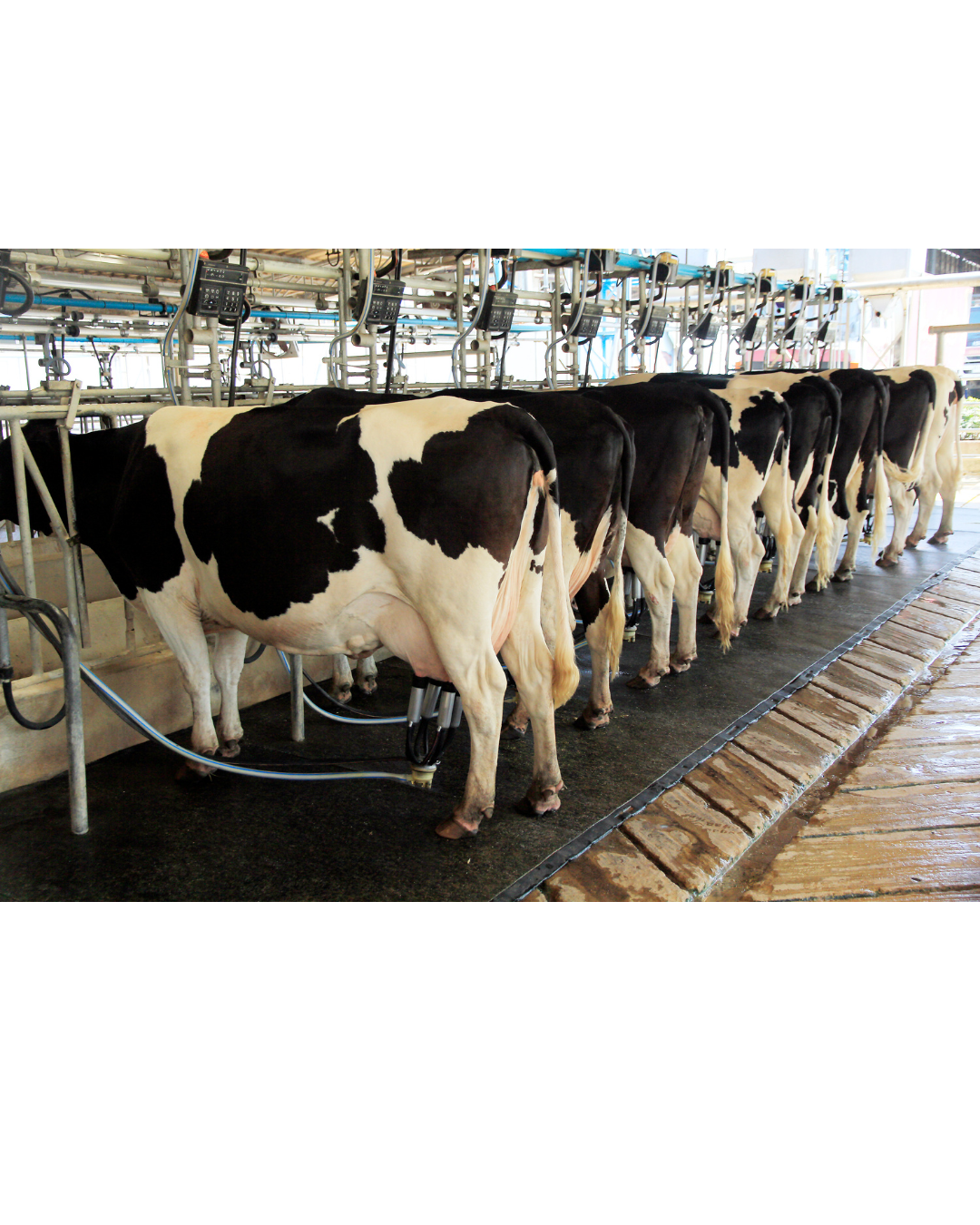
Cow mats are an important product for improving livestock comfort, especially for dairy cows. Proper placement of these mats can support cow health and welfare; however, careful consideration is required when determining how they should be installed inside the barn.

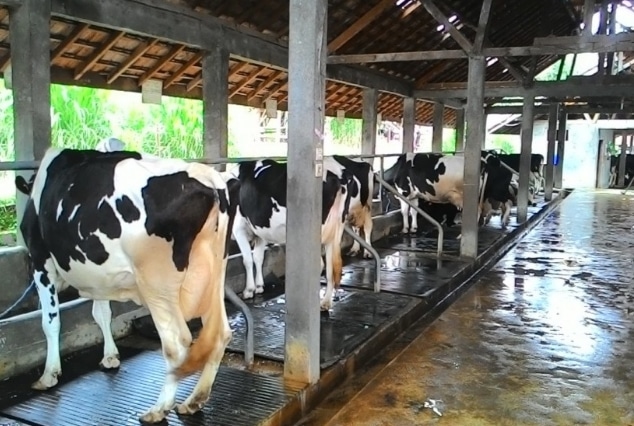
Some high-end farmers particularly those supplying milk to large companies such as Nestlé, HUT, and Diamond, tend to install cow mats recessed into the concrete floor. This method adjusts the mat’s dimensions and thickness so that it aligns flush with the barn surface. Such an approach can be effective for farms equipped with advanced water drainage and cleaning systems that allow for regular and thorough sanitation.

However, for farms with more basic facilities, especially in rural areas, this installation method may pose health risks to the cows. Recessed mats can create gaps that are difficult to clean, allowing manure, water, and feed residues to accumulate. These conditions encourage bacterial growth and disease development. Over time, this may increase the risk of infection, ultimately affecting cow health and productivity.

Therefore, it is strongly recommended that cow mats be placed on top of a flat concrete surface rather than recessed into it. This approach makes installation simpler, keeps the barn cleaner, and prevents the formation of hazardous dirt traps. It also facilitates more effective barn cleaning, helping maintain a hygienic environment and reducing the risk of disease.

Ultimately, farmers should adjust cow mat placement methods according to their barn conditions and management systems, whether operating large scale commercial farms or small rural holdings.

Share Article

Predator Rubber Team

Our expert team is dedicated to providing quality information about livestock farming and animal welfare.

Expert in Animal Welfare & Quality Products

Related Articles

Digitalizing Dairy Farms: From Wearable Sensors to AI Monitoring

Digitalizing Dairy Farms: From Wearable Sensors to AI Monitoring

Digital transformation is reshaping the dairy industry, shifting daily operations from manual work to a more precise and efficient system. Technologies like wearable sensors, AI-powered cameras, and app based monitoring platforms can now track a cow’s daily activit, from feeding patterns, heat detection, movement levels, body temperature, even predicting metabolic issues before symptoms appear. Systems such as Automatic Milking Systems (AMS) can analyze milk quality in real time, enabling farmers to make faster and more accurate decisions. According to FAO, precision livestock farming can improve feed efficiency by up to 25% and significantly reduce disease incidence.Digitalization doesn’t always require expensive investment. Simple tools such as automated temperature readers, digital record keeping, or barn CCTV enhanced with AI analytics can already boost productivity and animal welfare. For many farmers who were initially hesitant, technology has proven to lighten workloads and optimize outcomes without drastically changing their routines. Ultimately, digitalization is not just a trend but a new foundation for modern dairy farming, for a more accurate, more efficient, and more sustainable.

Read More
Cows Rarely Lie Down? Here's Why and the Impact on Productivity

Cows Rarely Lie Down? Here's Why and the Impact on Productivity

Some breeders often consider cows rarely lying down. However, this condition can be a sign of a serious problem.cow shed floor or the overall housing system. In modern livestock systems, the duration of lying down is an important indicator of comfortable cow shed.Naturally, cows need approximately 10–14 hours of rest per day in a lying position. When cows get enough rest, blood circulation improves, metabolism stabilizes, and growth processes are optimal. However, if cows stand more often and are reluctant to lie down, there's likely a factor causing discomfort.Reasons Why Cows Rarely Lie DownSome common causes include:- The floor of the cage is too hard thus putting excessive pressure on the joints.- The slippery surface makes the cows afraid of slipping.- Damp conditions due to poor drainage.- The pungent smell of ammonia is disturbing.- The space for movement is narrow and less safe.Cement floors without pressure dampening are a major contributing factor. For cattle weighing 800 kg to 1 ton, the pressure on the legs is enormous. Without a proper flooring system, cattle will prefer standing rather than enduring the discomfort of lying down.Impact on Growth and WeightCows that rarely lie down tend to experience:- Prolonged mild stress- Decreased appetite- Increased risk of limping- Daily weight gain slows downIn fattening efforts, small differences in increase in cattle weight can have a significant impact on profits. Therefore, ensuring a comfortable cow shed is no longer an option, but a necessity.A simple evaluation can be done by observing whether the cow appears hesitant when trying to sit. If so, there may be a problem with the cow barn's flooring system that needs to be repaired.If your cow seems to be standing more often and is reluctant to lie down, the problem could be that the floor surface is too hard or slippery.Predator Cow CarpetDesigned with pressure-damping properties and a non-slip surface to help create a comfortable cow pen, allowing cows to relax, rest more frequently, and grow optimally. Evaluate your pen now before productivity declines unnoticed.

Read More
The Secret to a Comfortable Cow Barn: The Right Way to Lay Down Carpets

The Secret to a Comfortable Cow Barn: The Right Way to Lay Down Carpets

The Right Method for Placing Cow Mats to Create a Comfortable Cow BarnIn modern animal husbandry, creating a comfortable cow barn is no longer an option, but a necessity. One method that has proven effective in increasing livestock comfort and productivity is the use of cow mats. However, the benefits of cow mats will not be maximized without the right placement method. This is where education plays an important role for every farmer.Why is Cow Mat Placement So Important?Many farmers already use cow mats, but still complain that their cows are easily stressed, have foot problems, or that the barn remains slippery. The problem is often not with the product, but with the installation method. Cow mats that are installed carelessly can reduce traction, accelerate wear and tear, and even endanger livestock.With the correct installation method, cattle mats function as anti-slip flooring, pressure-reducing pads for the feet, and help maintain optimal barn cleanliness.Recommended Methods for Placing Cow Mats by PredatorAs a brand that focuses on modern barn solutions, Predator recommends the following methods for placing cow mats to ensure that barns are truly comfortable and functional:1. Install in High-Activity AreasPrioritize installing cow mats in areas that livestock frequently pass through, such as entry and exit paths, feeding areas, and drinking areas. These areas have the highest risk of slipperiness and require extra protection.2. Ensure the Floor Surface is Flat and CleanBefore installation, the barn floor must be flat, free of bumps, and free of dirt. An uneven surface will reduce the effectiveness of the cow mats and shorten their lifespan.3. Use a Tight Jointing MethodCow mats should be installed tightly without gaps. Gaps between mats can cause dirt to accumulate and pose a risk of cows' feet getting stuck. Predator cow mats are designed with a system that facilitates precise installation.4. Orient the Carpet Pattern CorrectlyThe pattern and fibers on cow carpets have an anti-slip function. Ensure that the installation direction follows the cow's movement path for maximum grip.5. Perform Regular ChecksProper cow carpet placement also includes maintenance. Perform regular checks to ensure that the carpet has not shifted and remains firmly attached to the barn floor.Positive Impact for FarmersWith the right method of placing cow mats, farmers will experience tangible benefits:- Reduced risk of foot injuries in cows- Cows are calmer and less prone to stress- Barns are cleaner and easier to maintain- Livestock productivity increasesThis is why Predator not only sells cow mats, but also provides comfortable cow barn solutions based on proven methods.Cow mats are a long-term investment for farmers. However, without the proper placement method, their benefits won't be optimal. By following Predator's cow mat placement method, farmers can create comfortable, safe barns that maximize livestock performance.Predator – Barn Flooring Solutions for Modern Farmers.

Read More
Recognize the Signs of Healthy Cows from Their Behavior in the Pen

Recognize the Signs of Healthy Cows from Their Behavior in the Pen

Assessing cattle health doesn't always require a veterinary examination. Farmers can actually observe early signs of cattle health simply from their daily behavior in the barn.Healthy cows will exhibit consistent activity patterns. Conversely, subtle changes in behavior can be an early sign of a problem.1. Stable AppetiteHealthy cattle have a good and consistent appetite. If a cow starts to reduce her feed intake or appears reluctant to eat, it could be an indication of stress or a health problem.A comfortable barn environment helps maintain a stable appetite. Cattle that are not stressed tend to consume feed more optimally.2. Enough time to lie downHealthy cows typically have sufficient time to lie down each day. Lying down helps restore energy and maintain body balance.If cows rarely lie down, the floor of the barn may be too hard, slippery, or damp. These conditions make it uncomfortable for the cows to rest.3. Active and Stable MovementPay attention to how the cow walks. Healthy cows move steadily, don't limp, and don't appear to be in pain when standing. Leg problems often stem from poor barn flooring.Usage Predator cow rug helps create a safer footing and reduces the risk of foot injury.4. Clean and Not Dull FurA cow's health is also reflected in the condition of its coat. A clean, matted coat indicates good barn management. An environment that is too humid or smelly can affect the physical condition of the cattle.5. Calm and Uneasy BehaviorHealthy cows tend to be calmer. If a cow appears restless, frequently shifts position, or is easily startled, there may be environmental factors causing discomfort.A dry, non-slippery, and well-ventilated pen helps keep livestock calm.Health Starts from the EnvironmentMost indicators of cattle health are closely related to barn conditions. Comfortable barn floors, good hygiene, and proper management are the key foundations.Predator is here to help Indonesian farmers create more comfortable cattle pens and support the overall health of their livestock.By understanding the daily behavior of cattle, farmers can detect problems more quickly and maintain maximum productivity.

Read More
Rainy Season and the Challenges of Modern Cow Sheds

Rainy Season and the Challenges of Modern Cow Sheds

The rainy season brings great risks for beef cattle. High humidity can worsen floor conditions and increase the risk of nail disease.Common Problems During the Rainy Season- Wet floor- Puddle- The smell increases- The cow is reluctant to lie down- Risk of nail infectionFloors that are too cold and wet make cows uncomfortable. As a result, they rest less and stress increases.How to Anticipate- Make sure the floor slope is sufficient- Use a flooring system that does not absorb water- Repair the drainage channels- Increase the frequency of cleaningModern cattle housing systems must be able to adapt to seasonal changes. Investing in the right flooring structure helps maintain stable productivity throughout the year.When the rainy season arrives, humidity and the risk of muddy floors increase.Predator Cow CarpetIt's designed to resist water absorption, remain stable in wet conditions, and help keep cattle secure. Ensure your barn is ready for the rainy season without compromising livestock comfort and productivity.

Read More
Link copied successfully!