Conventional Cages vs. Modern Cages: Which is More Profitable for Farmers?
Artikel Peternakan
3 min read

Conventional Cages vs. Modern Cages: Which is More Profitable for Farmers?

27 February 2026
3 months ago
In the world of cattle farming, there is still much debate about whether to maintain traditional housing systems or switch to more modern ones. Some farmers feel that conventional housing is sufficient, as long as the cattle can still eat and grow. However, more and more farmers are realizing that housing comfort significantly impacts long-term productivity and costs.

So, what's the difference between a conventional cage and a modern cage? And which is more profitable?

1. Floor Structure and Comfort
Conventional pens generally use plain cement or dirt floors. While they may seem sturdy and simple, they can cause long-term problems, such as being slippery, damp, and hard on the cows' feet.

Meanwhile, modern barns place greater emphasis on comfort, particularly on the floors of the cow pens. Surfaces are made safer, non-slip, and allow cows to stand and lie down comfortably.
These differences may seem small, but they have a huge impact on the health of the cow's feet and stress levels.

2. Impact on Livestock Health
In a typical barn, problems such as limping, injured hooves, and odor are often considered normal. However, these conditions are actually signs that the environment is not optimal.

Modern pens are designed to minimize these risks. Cows are more stable when walking, lie down more often, and tend to grow more consistently.
A comfortable environment helps maintain the cow's immune system and reduces the need for additional medication.

3. Long-Term Cost Efficiency
Many breeders believe that modern cages require a higher initial cost. However, what is often overlooked are the hidden costs of conventional cages: medication, vitamin supplements, the risk of injury, and longer harvest times.
With a better housing system, these costs can be reduced. This means efficiency isn't just about initial cost, but also about long-term stability.

4. The Role of Cow Carpets in Modernizing Sheds
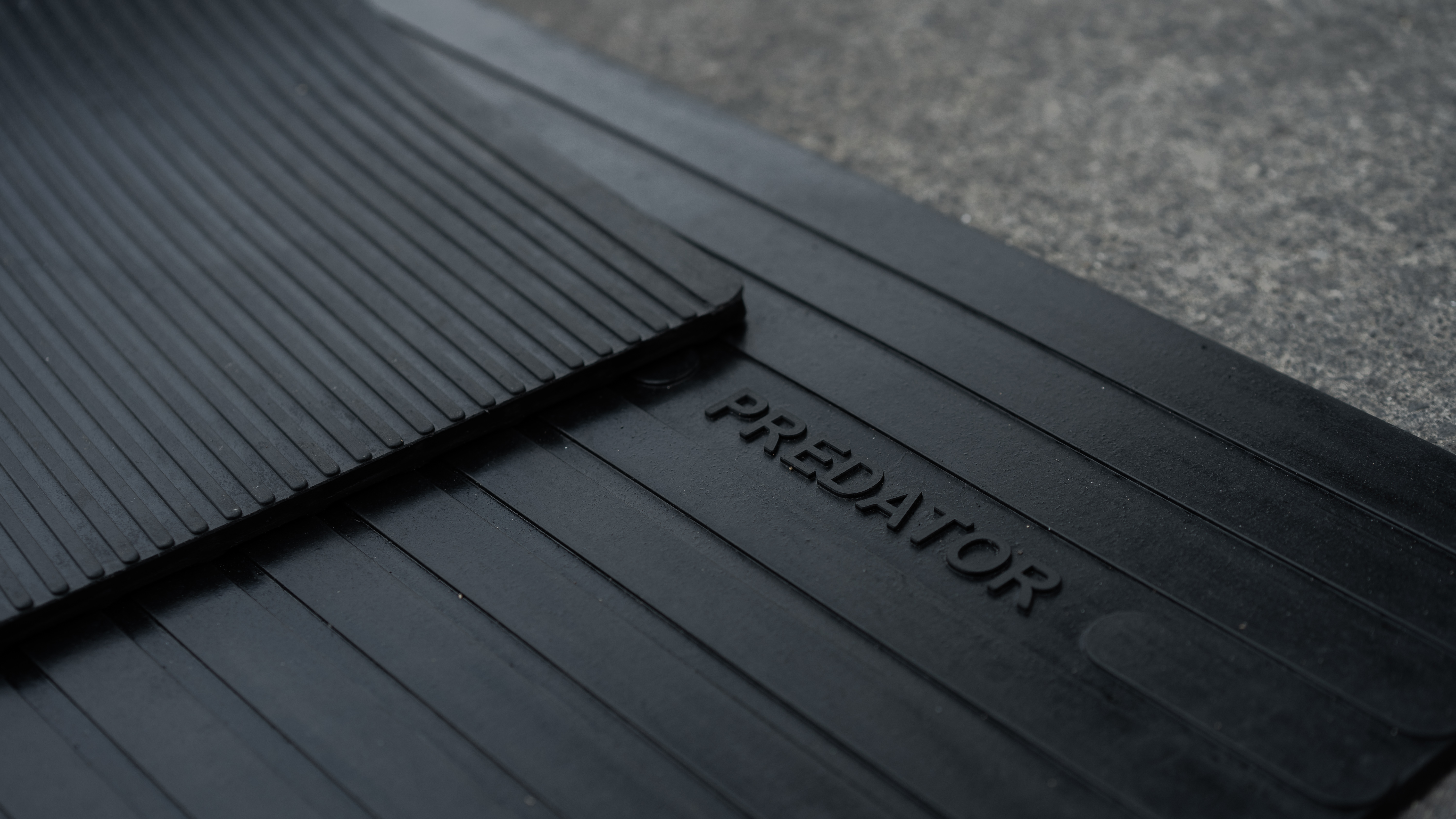
One practical step toward a modern barn without major renovations is the use of Predator cattle carpet. This carpet helps create a more comfortable, non-slip floor that's easier to clean.
With the addition of the right flooring system, a standard barn can be upgraded without having to rebuild from scratch.

5. Investment or Expense?
The biggest question farmers often have is: is improving the barn an investment or just an extra expense?
The answer depends on your perspective. If a more comfortable barn can improve cow health, accelerate growth, and reduce maintenance costs, then it's a worthwhile investment.

Conclusion
A standard cage may seem adequate, but modern cages offer greater stability and efficiency in the long run. Farmers looking to expand their livestock operations should consider upgrading their housing system as part of their business strategy.

Predator is here to support Indonesian farmers in creating more comfortable, safe, and profitable cattle pens.

Share Article

Predator Rubber Team

Our expert team is dedicated to providing quality information about livestock farming and animal welfare.

Expert in Animal Welfare & Quality Products

Related Articles

Small Mistakes in Cow Sheds That Seem Trivial, But Secretly Drain Farmers' Costs

Small Mistakes in Cow Sheds That Seem Trivial, But Secretly Drain Farmers' Costs

Many farmers feel they work hard every day: keeping the barn clean, feeding the cattle on time, and spraying them regularly to prevent odor. Yet, oddly, the costs still seem high, and livestock yields are suboptimal. If this is a frequent experience for you, the problem may not be with the feed or medication, but rather with the livestock itself, a minor error in the cow shed which is often considered trivial.The cage looks clean, but it's not comfortable.Cleaning the pen is important, but cleanliness alone isn't enough. Pens that are frequently sprayed with water but don't dry quickly actually lead to excess humidity. This condition makes the floor slippery, causes an ammonia odor, and makes the cows susceptible to foot problems.Uncomfortable cattle will stand more often, lie down less often, and become easily stressed. As a result, energy that should be used for growth is instead used to adapt to the less-than-ideal barn environment.Cage Floors: An Often Overlooked Source of ProblemsOne of the most common mistakes is leaving the cage floor hard and cold. Plain cement or dirt floors may seem sturdy, but in the long run, they can cause lameness, hoof injuries, and infections.These problems are often not immediately apparent. Farmers only realize it when the cow begins to have difficulty standing, loses appetite, or doesn't reach target body weight. By this point, additional medical and care costs have already been incurred.Small Expenses That Continue Every DayUncomfortable pens create hidden costs: medication, extra vitamins, extra labor, and even the risk of delayed harvest. When calculated, these small expenses can far outweigh the initial investment in pen repairs.Farmers often focus on rising feed prices, even though cage efficiency can have a big impact on daily expenses.Cow Carpets as a Real SolutionUsage Predator cow rug is a practical solution to address barn floor issues. This carpet is designed to be non-slip, softer, and helps keep the barn dry. This reduces pressure on the cows' feet, reduces the risk of injury, and allows them to rest more comfortably.With more stable housing conditions, cattle are calmer, less likely to get sick, and grow optimally. This means maintenance costs can be reduced without compromising the quality of care.Smart Farmers Focus on the Root of the ProblemProgressive farmers aren't the ones who spray their pens the most, but rather the ones who understand the root of the problem. Improving pen flooring and cow comfort is a strategic step that often goes unnoticed.Predator is here to help Indonesian farmers reduce small mistakes that can have big consequences. With the right housing solutions, costs can be controlled and livestock yields maximized.Because in animal husbandry, coop comfort is not an additional cost, but a long-term investment.

Read More
Premium Cow Shed Carpet: A Comfortable Solution for Healthier and More Productive Cows

Premium Cow Shed Carpet: A Comfortable Solution for Healthier and More Productive Cows

What is a Cow Shed Carpet?Cow stall mats are special mats made from high-quality rubber used to improve comfort and hygiene inside the stall. These products are designed to reduce the risk of injury, maintain hygiene, and improve overall livestock performance.Benefits of Cow Shed Carpets for Farmers1. Improve Cow HealthThe soft carpet surface helps reduce pressure on the cow's feet, thereby minimizing the risk of injuries and foot diseases such as lameness.2. Cleaner and More Hygienic CagesRubber carpets do not absorb dirt, so they are easier to clean than regular cement floors.3. Reducing Stress in LivestockComfortable cows will be calmer, less stressed, and have a direct impact on increasing the weight and quality of production.4. More Durable and Long LastingPremium carpets have high resistance to heavy pressure and humid cage conditions.Why Should You Use Cow Shed Carpets Directly from Manufacturers?Buying directly from the manufacturer offers many advantages:- More affordable prices without intermediaries- Quality assured with strict QC process- Can customize the size according to cage needs- Direct consultation support from expertsCharacteristics of Quality Cow Shed CarpetsBefore purchasing, make sure the carpet has the following specifications:- Ideal thickness (12mm, 14mm, up to 16mm)- Anti-slip surface (not slippery)- Not easy to crack or break- Elastic yet strong- Resistant to water and cage wasteComparison of Cow Carpet ThicknessChoosing the thickness of the cow shed carpet is very important because it directly affects the comfort and durability of use.Carpet with thickness 12mm It's usually the most economical option. It's suitable for small-scale farms or for farmers just starting to invest in comfortable housing.Meanwhile, the thickness 14mm It offers a balance between price and quality. This type is widely used by medium-scale livestock farmers because it is soft, strong, and durable enough for daily use.For maximum needs, carpet with thickness 16mm is the best choice. This carpet is softer, more resistant to heavy pressure, and is ideal for intensive farming where cow comfort and long-term durability are paramount.The Impact of Carpet Use on Cattle ProductivityMany farmers are beginning to realize that the comfort of their pens significantly impacts livestock production. By using carpets:- Cows rest more often- Increased appetite- More optimal growth- The risk of loss due to injury is reducedConclusionCow barn carpeting is not just an accessory, but a crucial investment in improving the quality of livestock farming. By choosing the right product, farmers can improve efficiency, livestock health, and long-term profitability.

Read More
A Comfortable Pen Isn't Just About Cleanliness: This Is the Key to Cattle Productivity That Farmers Often Overlook

A Comfortable Pen Isn't Just About Cleanliness: This Is the Key to Cattle Productivity That Farmers Often Overlook

In modern animal husbandry, barns are no longer simply shelters for cattle. Comfortable barns are the foundation for livestock health, cost efficiency, and increased productivity. Unfortunately, many farmers still focus on feed and medication, neglecting basic aspects like barn flooring and cow comfort while resting. This is where the role of barns comes in; cow rugs are a solution that is starting to be widely implemented by progressive breeders.Why is a Comfortable Cage So Important?Cows spend a lot of time standing and lying down. If the floor of the barn is hard, slippery, or damp, they become easily stressed, susceptible to injury, and even suffer from hoof and joint problems. The impacts are significant: decreased appetite, stunted growth, and increased health care costs.Comfortable cattle pens will help maintain optimal physical condition. Cattle are calmer, less likely to be injured, and more efficient at converting feed into body weight. This means farmers avoid unnecessary, avoidable costs.Common Problems with Conventional Cage FloorsMany barns still use plain cement or dirt floors. The problem is, these floors often become a major source of ammonia odor, are slippery when wet, and are difficult to keep clean. Furthermore, the long-term direct pressure on the cows' feet can cause lameness and reduce their performance.Farmers often consider this condition normal, but if left untreated, hidden costs will continue to arise: medication, additional vitamins, and the risk of the cattle being unsaleable.Cow Carpets: A Practical and Efficient SolutionUsage Predator cow rug, this is a breakthrough in addressing the problem of barn flooring. This carpet is specifically designed for livestock farming, made from strong, non-slip material, and reduces pressure on cows' feet. Furthermore, its design helps control humidity, keeping the barn drier and preventing odors.With the right cow matting, barn cleanliness is easier to maintain, cleaning time is reduced, and cows feel more comfortable both standing and lying down. This isn't just a matter of convenience, but a long-term investment for farmers.Real Impact for FarmersFarmers who have started using comfortable cow mats in their pens have seen significant changes. Cows are more active, have fewer injuries, and have more stable growth. Furthermore, maintenance costs have decreased because the risk of disease caused by damp and slippery pens has been reduced.For both smallholder and large-scale farmers, small steps such as improving the floor of the barn can have a big impact on the final result.Predator: Supporting Farmers to AdvancePredator is a partner for Indonesian cattle farmers, offering comfortable, safe, and durable cattle housing solutions. Predator's cattle carpet products are designed to address real-world needs, not just theoretical concepts.If you want cleaner barns, healthier cows, and more manageable costs, it's time to turn to smarter solutions. Because successful farming always starts with comfortable barns.

Read More
Digitalizing Dairy Farms: From Wearable Sensors to AI Monitoring

Digitalizing Dairy Farms: From Wearable Sensors to AI Monitoring

Digital transformation is reshaping the dairy industry, shifting daily operations from manual work to a more precise and efficient system. Technologies like wearable sensors, AI-powered cameras, and app based monitoring platforms can now track a cow’s daily activit, from feeding patterns, heat detection, movement levels, body temperature, even predicting metabolic issues before symptoms appear. Systems such as Automatic Milking Systems (AMS) can analyze milk quality in real time, enabling farmers to make faster and more accurate decisions. According to FAO, precision livestock farming can improve feed efficiency by up to 25% and significantly reduce disease incidence.Digitalization doesn’t always require expensive investment. Simple tools such as automated temperature readers, digital record keeping, or barn CCTV enhanced with AI analytics can already boost productivity and animal welfare. For many farmers who were initially hesitant, technology has proven to lighten workloads and optimize outcomes without drastically changing their routines. Ultimately, digitalization is not just a trend but a new foundation for modern dairy farming, for a more accurate, more efficient, and more sustainable.

Read More
Modern Livestock Management That Can Be Applied by Smallholder Farmers

Modern Livestock Management That Can Be Applied by Smallholder Farmers

Modern livestock management is key to increasing the productivity and sustainability of livestock businesses in Indonesia. Amidst the challenges of rising feed costs, disease risks, and demands for quality livestock products,smallholder farmers are required to start implementing a more organized and planned management system. The good news is, modern management doesn't always require expensive technology or large-scale operations.The Importance of Good Farm ManagementModern farm management is a way to manage a livestock business efficiently, measurably, and with a long-term focus. With good management, farmers can control costs, maintain livestock health, and increase meat and milk production.For smallholder farmers, proper management can have a significant impact due to the limited scale of their operations. Small mistakes, such as slippery pens or poor hygiene, can lead to significant losses due to livestock injuries or illnesses.Cage Management as the Main FoundationOne of the main pillars in livestock management is management.cowshedUncomfortable pens can cause stress, reduce appetite, and even lead to injury in livestock. Therefore, pens must be designed to be safe, clean, and easy to maintain.Some principles of a good cage include:- The cage floor is not slippery and easy to clean.- Smooth drainage so that the cage does not get muddy- Sufficient air circulation- The layout of the cage facilitates daily activities.Using proper bedding helps reduce the risk of cows slipping and maintains their comfort. A safe barn environment will directly impact productivity.Focus on Animal Welfare and HealthModern farm management places livestock welfare as a priority. Healthy and comfortable livestock have better production performance and a longer productive lifespan. Disease prevention through clean pens and routine maintenance is far more cost-effective than medical treatment.Smallholder farmers can start with simple steps such as keeping the floor of the pen clean, monitoring the condition of the livestock's feet, and ensuring that the livestock can stand and lie down comfortably.Simple Record Keeping for Decision MakingRecord-keeping is a key feature of modern management. Farmers don't need a complicated system; simply record livestock numbers, health conditions, and production results. Consistent record-keeping allows farmers to evaluate livestock performance and plan business development more effectively.Towards Sustainable LivestockThe implementation of good management will lead farmers towards sustainable farming. Livestock farming focuses not only on short-term results but also on maintaining production stability, cost efficiency, and long-term business continuity.As a partner to livestock farmers, Predator supports the implementation of modern livestock management through safe, comfortable, and durable housing solutions. Predator believes that a strong livestock farm always starts with a well-organized housing system.Modern livestock management can be implemented by smallholder farmers in a gradual and realistic manner. From pen management and attention to livestock welfare to simple record-keeping, all these steps help farmers increase productivity and maintain business sustainability.

Read More
Strengthening the Capacity of Local Farmers: The Key to Sustainable Meat and Milk Self-Sufficiency in Indonesia

Strengthening the Capacity of Local Farmers: The Key to Sustainable Meat and Milk Self-Sufficiency in Indonesia

Strengthening the capacity of local livestock farmers is the main foundation for achieving sustainable meat and milk self-sufficiency through comfortable housing, modern management, and appropriate technology. Self-sufficiency in meat and milk is a major goal of the Indonesian people in building national food security. However, achieving this target cannot rely solely on import policies or increasing livestock populations. A crucial factor that is often overlooked is strengthening the capacity of local farmers as the main actor in the field.Local farmers play a strategic role in the national meat and dairy production chain. Unfortunately, many farmers still face limitations in knowledge, production facilities, and access to technology. Without continuous capacity building, consistent meat and dairy self-sufficiency will be difficult to achieve.Local Farmers as the Foundation of Self-SufficiencyThe majority of livestock production in Indonesia comes from smallholder farms. This means that the success of the program meat self-sufficiency and milk self-sufficiency. It depends heavily on the readiness and capabilities of local farmers. Strengthening the capacity of farmers isn't just about increasing livestock numbers, but also includes:- Understanding farm management efficient- Safe and comfortable cage management- Prevention of livestock injuries and diseases- Optimizing productivity without sacrificing livestock welfareFarmers who have adequate capacity will be more adaptive to change, more efficient in operations, and more sustainable in the long term.Comfortable Housing: A Critical Factor in Livestock ProductivityOne crucial aspect of improving livestock capacity is the quality of the pens. Slippery, muddy, or unhygienic pens can cause stress, injury, and even death. These conditions directly reduce meat and milk productivity.Education about comfortable and safe housing is the first step towards modern livestock farming. Using proper bedding, a good drainage system, and livestock-friendly housing materials has been proven to:- Reducing the risk of cows slipping- Reducing the number of injuries and illnesses- Improve livestock comfort and performanceThis is where the role of simple yet effective technology-based solutions becomes crucial.Predators and the Commitment to Building Sustainable LivestockAs a brand born from the needs of livestock breeders, Predator is present not only as a product provider, but also as an educational partner for local farmers. Predator believes that sustainable farming starting from a comfortable pen and prosperous livestock.Through innovative, high-quality rubber cage bedding, Predator helps farmers create safer, more hygienic, and more durable cage environments. This solution helps farmers increase productivity while reducing the risk of losses due to livestock injuries.Moreover, Predator consistently promotes farmer education through practical content and information so that Indonesian farmers can move up a class and compete sustainably.Towards an Independent and Competitive Livestock FarmStrengthening the capacity of local livestock farmers is a long-term investment for the nation. When farmers are equipped with the right knowledge, technology, and support, they can not only increase production but also maintain environmental and economic sustainability.Collaboration between farmers, industry, and other stakeholders is key to building a strong national livestock ecosystem. With empowered farmers, Indonesia has a significant opportunity to achieve self-sufficiency in meat and milk independently and sustainably.Self-sufficiency in meat and milk will not be achieved without strong local livestock farmers. Through capacity building, improved livestock management, and the implementation of appropriate housing technology, Indonesian livestock farmers can become a key driver of national food security. Predator is committed to continuing to be part of this journey, assisting farmers towards more advanced, safe, and sustainable livestock farming.

Read More
Link copied successfully!