Cow sheds quickly smell, not because they are rarely cleaned, but because of this
Artikel Peternakan
3 min read

Cow sheds quickly smell, not because they are rarely cleaned, but because of this

09 February 2026
3 months ago
Many farmers complain about the same problem: cow sheds smell quickly, despite routine cleaning and spraying every day. The ammonia odor persists, the cows appear uncomfortable, and the surrounding environment is disturbed. If you experience this, the problem is likely not with the frequency of cleaning the pen, but with the pen system itself.
This article discusses the main causes of smelly coops that are often overlooked by farmers, as well as realistic solutions that can be implemented without major renovations.

Too Much Water Just Makes the Odor Worse
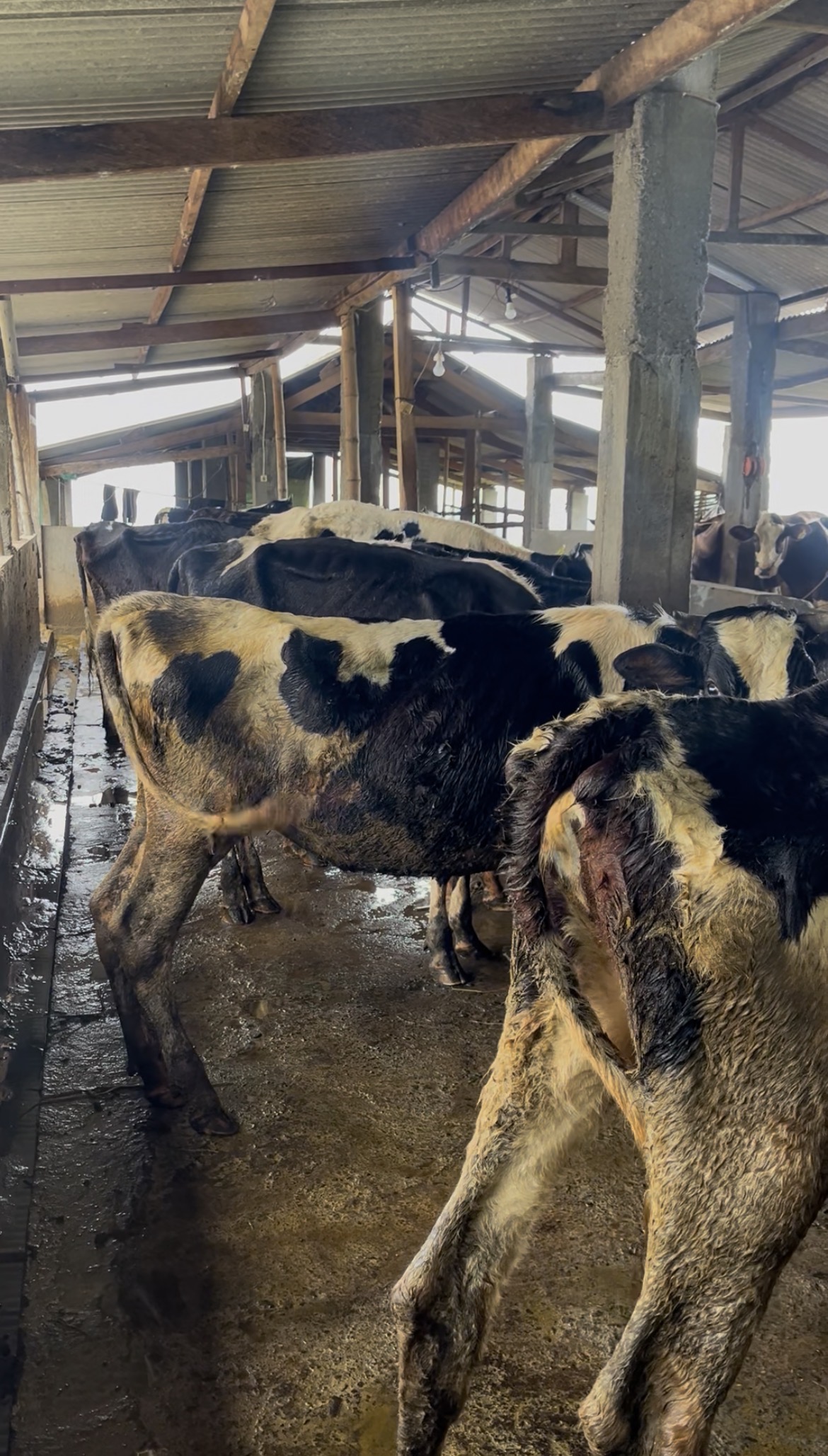
Spraying the cage with water is intended to clean up waste. However, if done without a supportive flooring system, the water will stagnate and increase humidity. This dampness accelerates the development of ammonia odors.
A stall floor that takes longer to dry allows urine and manure to mix. As a result, even if the stall appears clean, the odor persists within hours.

The Cage Floor is a Determining Factor
One of the main causes of cow sheds smelling quickly is cage floor which are unable to manage fluids properly. Plain cement or dirt floors absorb water and urine, then release it back as odor.
Besides the smell, constantly wet floors also increase the risk of slipping and hoof problems in cattle. This combination of problems is often taken for granted, yet it has significant impacts on livestock health.

Barn Odor Has a Direct Impact on Productivity
Pungent odors not only bother humans but also affect the well-being of cows. An uncomfortable barn environment can easily cause cows to become stressed, lose their appetite, and reduce their rest time.
If left untreated, this condition can lead to suboptimal growth and increased maintenance costs. In other words, cage odor is an early sign that the housing system needs improvement.

Cow Carpet as an Odor Control Solution
One solution that is starting to be implemented by many breeders is the use of Predator cow rugs. This carpet helps reduce standing water, keeps the floor surface dry, and minimizes direct contact between cows and urine.
With a drier floor, the barn cleaning process is more effective and odors are less likely to develop. Furthermore, the cows feel more comfortable standing and lying down.

A Healthy Coop Starts with the Right System
Addressing barn odor isn't about adding perfume or spraying more frequently, but rather improving the basic barn system. Focusing on the barn floor and cow comfort is the most sensible first step.

Predator is here to help Indonesian cattle farmers create healthier, odor-free cattle pens that support livestock productivity. Because good pens not only look clean but also feel comfortable for the cows.

Share Article

Predator Rubber Team

Our expert team is dedicated to providing quality information about livestock farming and animal welfare.

Expert in Animal Welfare & Quality Products

Related Articles

Digitalizing Dairy Farms: From Wearable Sensors to AI Monitoring

Digitalizing Dairy Farms: From Wearable Sensors to AI Monitoring

Digital transformation is reshaping the dairy industry, shifting daily operations from manual work to a more precise and efficient system. Technologies like wearable sensors, AI-powered cameras, and app based monitoring platforms can now track a cow’s daily activit, from feeding patterns, heat detection, movement levels, body temperature, even predicting metabolic issues before symptoms appear. Systems such as Automatic Milking Systems (AMS) can analyze milk quality in real time, enabling farmers to make faster and more accurate decisions. According to FAO, precision livestock farming can improve feed efficiency by up to 25% and significantly reduce disease incidence.Digitalization doesn’t always require expensive investment. Simple tools such as automated temperature readers, digital record keeping, or barn CCTV enhanced with AI analytics can already boost productivity and animal welfare. For many farmers who were initially hesitant, technology has proven to lighten workloads and optimize outcomes without drastically changing their routines. Ultimately, digitalization is not just a trend but a new foundation for modern dairy farming, for a more accurate, more efficient, and more sustainable.

Read More
Automated Cooling & Ventilation: Affordable Technology to Reduce Heat Stress

Automated Cooling & Ventilation: Affordable Technology to Reduce Heat Stress

Heat stress is one of the main factors reducing dairy cow productivity in tropical climates such as Indonesia. High temperatures and humidity make it difficult for cows to dissipate body heat, leading to reduced feed intake, lower activity levels, and declining milk production. These conditions often go unnoticed, yet their impact on daily cow performance can be significant.The implementation of automated cooling and ventilation systems, such as barn fans, sprinklers, and cross ventilation, has proven effective in lowering the perceived temperature inside barns. These technologies are relatively simple and affordable, yet highly effective in reducing heat stress and maintaining cow comfort. FAO reports that proper cooling systems can increase feed intake and help stabilize milk production, particularly during hot and humid conditions.With relatively low investment, automated cooling and ventilation systems offer a practical solution for farmers to maintain animal health and production sustainability. A cooler barn environment and good air circulation not only improve animal welfare but also enhance overall farm efficiency.

Read More
Farmer Regeneration: Why Are Young People Reluctant to Enter the Dairy Farm World?

Farmer Regeneration: Why Are Young People Reluctant to Enter the Dairy Farm World?

Farmer regeneration has become one of the biggest challenges in Indonesia’s dairy sector. Most dairy farmers today are over 45 years old, and interest from younger generations to continue the family business is steadily declining. Despite strong market demand for milk, dairy farming is still seen as hard, dirty work and less prestigious compared to modern jobs that offer flexibility. Limited access to capital, unstable milk prices, and high feed costs also make dairy farming seem financially unattractive to young people.On the other hand, younger generations tend to seek jobs with stable income, clear career growth, and a more modern work environment. Yet FAO reports show that modernizing dairy farms such using sensors, monitoring apps, and improved feed management systems can significantly boost efficiency and make daily work much easier for new farmers. Still, without education, training, and affordable access to technology, this transformation remains difficult to achieve.Farmer regeneration is not simply about replacing an aging workforce, it’s more about securing the future of the national dairy industry. Government, cooperatives, and industry stakeholders must work together to build an ecosystem that appeals to young people leading to a more modern, more profitable, and more sustainable.

Read More
Cows Often Slip? Don't Take It Lightly

Cows Often Slip? Don't Take It Lightly

Many farmers focus on feed and vitamins, but forget one crucial aspect: the condition of the barn floor. Slippery floors can be a major cause of cow stress, injury, and even loss of productivity.Why Do Cows Slip Easily?Wet, hard, and slippery barn floors make it difficult for cows to walk. This is especially true given their heavy body weight. One slip can have serious consequences:- Sore or swollen feet- Difficulty standing- Decreased appetite- Milk production or weight also decreases- Increased risk of infectionMany cases of cows appear healthy at first, but after being injured by slipping, their condition slowly declines.Impacts That Farmers Often Don't RealizeInjuries to cattle aren't just physical. Cows in pain are more prone to stress. As stress increases, productivity suffers.In dairy cows, milk production can decrease. Meanwhile, in fattening cows, weight gain slows because the cows are less likely to move and eat.Losses like this often come slowly so that many farmers are unaware that the source of the problem comes from the floor of the cage.A Simple Solution That Is Starting to Become Widely UsedNowadays, many farmers are starting to use cow shed carpets as additional flooring to help reduce slipperiness on the floor.Cage carpets help:- Reducing the risk of cows slipping- Makes the footing more comfortable- Reduce pressure on the cow's legs- Helping to keep the barn clean- Make the cage more durable and neatA comfortable cage does not mean luxurious, but safe for livestock every day.Modern Farmers Begin to Prioritize Livestock ComfortModern animal husbandry focuses not only on livestock numbers but also on the comfort and health of the cows. Comfortable cows tend to be healthier and more productive.Small things like repairing the floor of the cage often have a big impact in the long run.ConclusionCow slips are no small matter. A minor injury can escalate into a major loss if not prevented early. Therefore, it's crucial for farmers to pay attention to the condition of their pens, especially the floor, which is used daily.A safe and comfortable pen helps maintain cow health, increases productivity, and optimizes livestock farming efforts.

Read More
The Secret to a Comfortable Cow Barn: The Right Way to Lay Down Carpets

The Secret to a Comfortable Cow Barn: The Right Way to Lay Down Carpets

The Right Method for Placing Cow Mats to Create a Comfortable Cow BarnIn modern animal husbandry, creating a comfortable cow barn is no longer an option, but a necessity. One method that has proven effective in increasing livestock comfort and productivity is the use of cow mats. However, the benefits of cow mats will not be maximized without the right placement method. This is where education plays an important role for every farmer.Why is Cow Mat Placement So Important?Many farmers already use cow mats, but still complain that their cows are easily stressed, have foot problems, or that the barn remains slippery. The problem is often not with the product, but with the installation method. Cow mats that are installed carelessly can reduce traction, accelerate wear and tear, and even endanger livestock.With the correct installation method, cattle mats function as anti-slip flooring, pressure-reducing pads for the feet, and help maintain optimal barn cleanliness.Recommended Methods for Placing Cow Mats by PredatorAs a brand that focuses on modern barn solutions, Predator recommends the following methods for placing cow mats to ensure that barns are truly comfortable and functional:1. Install in High-Activity AreasPrioritize installing cow mats in areas that livestock frequently pass through, such as entry and exit paths, feeding areas, and drinking areas. These areas have the highest risk of slipperiness and require extra protection.2. Ensure the Floor Surface is Flat and CleanBefore installation, the barn floor must be flat, free of bumps, and free of dirt. An uneven surface will reduce the effectiveness of the cow mats and shorten their lifespan.3. Use a Tight Jointing MethodCow mats should be installed tightly without gaps. Gaps between mats can cause dirt to accumulate and pose a risk of cows' feet getting stuck. Predator cow mats are designed with a system that facilitates precise installation.4. Orient the Carpet Pattern CorrectlyThe pattern and fibers on cow carpets have an anti-slip function. Ensure that the installation direction follows the cow's movement path for maximum grip.5. Perform Regular ChecksProper cow carpet placement also includes maintenance. Perform regular checks to ensure that the carpet has not shifted and remains firmly attached to the barn floor.Positive Impact for FarmersWith the right method of placing cow mats, farmers will experience tangible benefits:- Reduced risk of foot injuries in cows- Cows are calmer and less prone to stress- Barns are cleaner and easier to maintain- Livestock productivity increasesThis is why Predator not only sells cow mats, but also provides comfortable cow barn solutions based on proven methods.Cow mats are a long-term investment for farmers. However, without the proper placement method, their benefits won't be optimal. By following Predator's cow mat placement method, farmers can create comfortable, safe barns that maximize livestock performance.Predator – Barn Flooring Solutions for Modern Farmers.

Read More
Link copied successfully!