Lameness in Cows Is Not a Trivial Problem: Here's How It Impacts Farmers' Profits
11 March 2026
2 months ago
Many farmers consider lameness in cattle to be a minor problem that will resolve itself. However, a single cow with leg problems can cause significant losses, both directly and indirectly. The problem is, limping cows often appear due to less than ideal conditions in the pen, especially the floor.
Decreased Appetite and Body Weight Lame cows tend to be more sedentary and move less. Eating activity can also be disrupted due to discomfort from prolonged standing. As a result, growth slows and target body weights are not achieved as planned. In a fattening system, delayed harvesting means additional feed and operational costs.
Risk of Infection and Treatment Costs Leg wounds can develop into infections if the barn environment is damp and unhygienic. Treatment requires additional costs, not to mention the risk of the cow not being able to be sold at an optimal price. It all starts with unstable footing, slippery floors, or surfaces that are too hard.
Prevention is Cheaper than Cure Ensuring the cow barn floor is safe and comfortable is the most logical preventative measure. A non-slip and softer flooring system can reduce pressure on the feet.
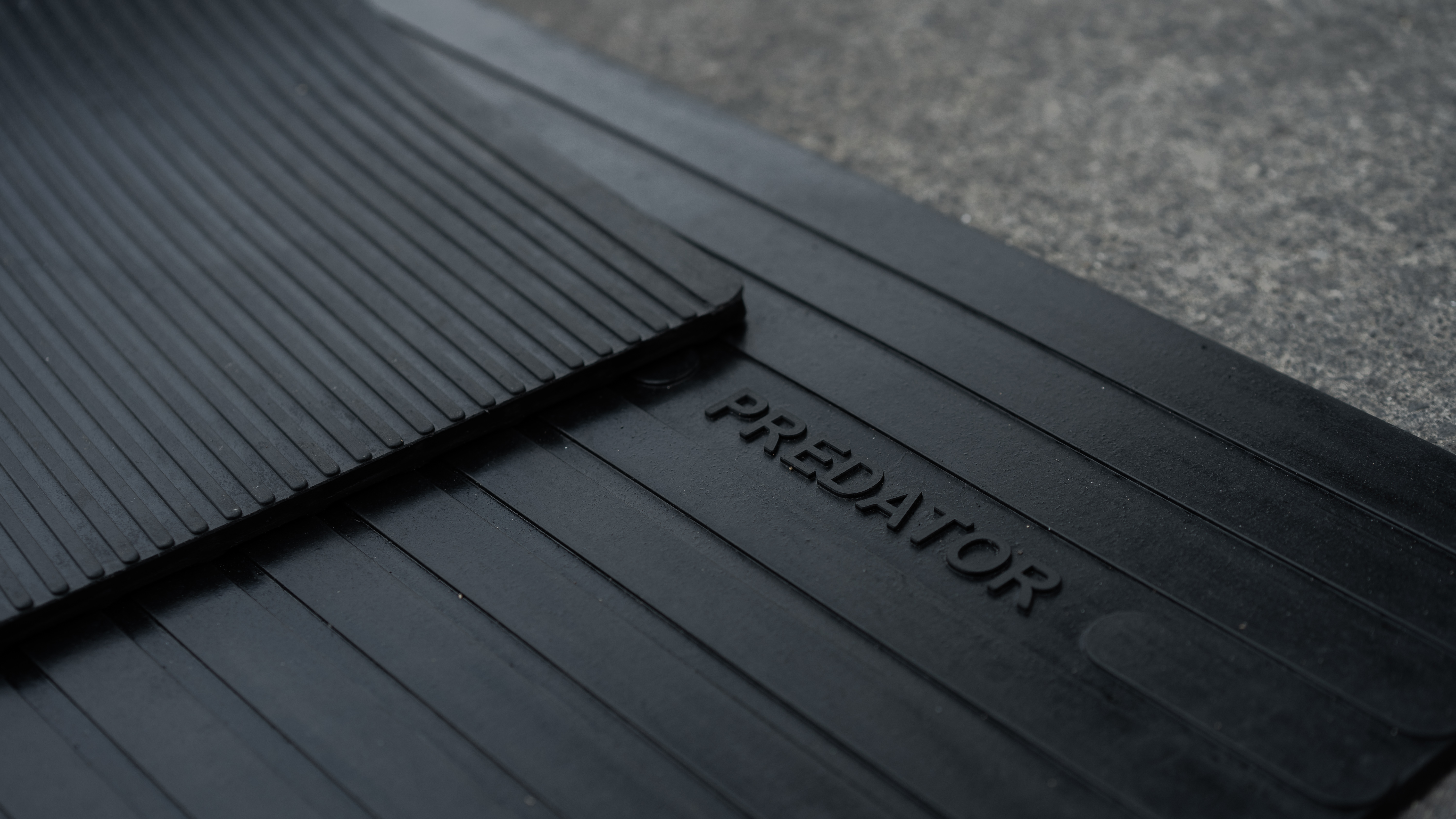
Predator cow mats help create more stable footing so the risk of limping cows can be reduced from the start.
Conclusion Lameness in cattle is not just a health issue, but also a threat to business profits. Improving housing systems is a strategic step to maintain stable productivity.
Our expert team is dedicated to providing quality information about livestock farming and animal welfare.
Expert in Animal Welfare & Quality Products
Related Articles
Premium Cow Shed Carpet: A Comfortable Solution for Healthier and More Productive Cows
What is a Cow Shed Carpet?Cow stall mats are special mats made from high-quality rubber used to improve comfort and hygiene inside the stall. These products are designed to reduce the risk of injury, maintain hygiene, and improve overall livestock performance.Benefits of Cow Shed Carpets for Farmers1. Improve Cow HealthThe soft carpet surface helps reduce pressure on the cow's feet, thereby minimizing the risk of injuries and foot diseases such as lameness.2. Cleaner and More Hygienic CagesRubber carpets do not absorb dirt, so they are easier to clean than regular cement floors.3. Reducing Stress in LivestockComfortable cows will be calmer, less stressed, and have a direct impact on increasing the weight and quality of production.4. More Durable and Long LastingPremium carpets have high resistance to heavy pressure and humid cage conditions.Why Should You Use Cow Shed Carpets Directly from Manufacturers?Buying directly from the manufacturer offers many advantages:- More affordable prices without intermediaries- Quality assured with strict QC process- Can customize the size according to cage needs- Direct consultation support from expertsCharacteristics of Quality Cow Shed CarpetsBefore purchasing, make sure the carpet has the following specifications:- Ideal thickness (12mm, 14mm, up to 16mm)- Anti-slip surface (not slippery)- Not easy to crack or break- Elastic yet strong- Resistant to water and cage wasteComparison of Cow Carpet ThicknessChoosing the thickness of the cow shed carpet is very important because it directly affects the comfort and durability of use.Carpet with thickness 12mm It's usually the most economical option. It's suitable for small-scale farms or for farmers just starting to invest in comfortable housing.Meanwhile, the thickness 14mm It offers a balance between price and quality. This type is widely used by medium-scale livestock farmers because it is soft, strong, and durable enough for daily use.For maximum needs, carpet with thickness 16mm is the best choice. This carpet is softer, more resistant to heavy pressure, and is ideal for intensive farming where cow comfort and long-term durability are paramount.The Impact of Carpet Use on Cattle ProductivityMany farmers are beginning to realize that the comfort of their pens significantly impacts livestock production. By using carpets:- Cows rest more often- Increased appetite- More optimal growth- The risk of loss due to injury is reducedConclusionCow barn carpeting is not just an accessory, but a crucial investment in improving the quality of livestock farming. By choosing the right product, farmers can improve efficiency, livestock health, and long-term profitability.
After Realizing the Mistake, Here Are Real Steps to Improve Your Cow Shed to Make It More Efficient
In the previous article, we discussed minor errors in the cow shed that seem trivial and can actually slowly drain a farmer's finances. From damp, slippery floors to pens that look clean but aren't truly comfortable for the cows. The question now is,What concrete steps can farmers take after realizing these mistakes?This article is a continuation and practical guide so that farmers do not stop at the "problem awareness" stage, but actually move on to solutions.Evaluation of the Pen from the Cow's PerspectiveThe first step that farmers often overlook is viewing the pen from the cow's perspective. Take a look at:- Do cows often stand and rarely lie down?- Does the floor feel cold, hard, or slippery when you walk on it?- Does the smell appear quickly even though the cage is cleaned regularly?If the answer is yes, it means the barn isn't fully supporting the cows' comfort. However, comfortable cows are calmer, healthier, and grow more efficiently.Focus on Repairs on the Cage FloorOf the various cage factors, the cow shed floor is the most crucial point. The floor, which comes into direct contact with the cows' feet and bodies, has a significant impact on the health of their hooves, joints, and stress levels.Repairing the floor doesn't always mean completely dismantling the barn. Many farmers are turning to practical solutions that can be implemented immediately without disrupting daily activities, such as adding a special padding to the cows' footing area.Reducing Costs the Smarter WayA common mistake farmers make is to continually increase downstream costs, such as medication and vitamins, without addressing the root of the problem. However, by improving housing conditions, the need for additional care can be minimized from the outset.This is why a comfortable cage is not an expense, but rather a long-term cost-saving toolThe lower the risk of injury and stress to cattle, the lower the unexpected costs.Cow Carpets as an Effective Transitional StepAs a continuation of the previous discussion, the use of Predator cow rug is one of the most realistic transition steps for farmers. Without the need for major renovations, the barn floor can be softer, less slippery, and easier to keep clean.Cow mats help create a more stable barn environment. Cows are more comfortable standing and lying down, allowing their energy to be focused on growth and production, rather than adapting to the harsh floor.From a More Comfortable Cage to Maximum ResultsFarmers who implement simple improvements to their barns typically begin to see a gradual impact. Cows appear calmer, experience fewer leg problems, and perform more consistently.Here is the common thread from the previous article: “Small mistakes will continue to cost money if left unchecked, but simple solutions can make a big difference if implemented correctly.”Predator is committed to assisting Indonesian livestock farmers to upgrade their livestock, starting with more comfortable, safe, and efficient cages.If you haven't read the previous article about minor mistakes in cow barns, be sure to read it first to understand the root of the problem before implementing the solution.
Small Mistakes in Cow Sheds That Seem Trivial, But Secretly Drain Farmers' Costs
Many farmers feel they work hard every day: keeping the barn clean, feeding the cattle on time, and spraying them regularly to prevent odor. Yet, oddly, the costs still seem high, and livestock yields are suboptimal. If this is a frequent experience for you, the problem may not be with the feed or medication, but rather with the livestock itself, a minor error in the cow shed which is often considered trivial.The cage looks clean, but it's not comfortable.Cleaning the pen is important, but cleanliness alone isn't enough. Pens that are frequently sprayed with water but don't dry quickly actually lead to excess humidity. This condition makes the floor slippery, causes an ammonia odor, and makes the cows susceptible to foot problems.Uncomfortable cattle will stand more often, lie down less often, and become easily stressed. As a result, energy that should be used for growth is instead used to adapt to the less-than-ideal barn environment.Cage Floors: An Often Overlooked Source of ProblemsOne of the most common mistakes is leaving the cage floor hard and cold. Plain cement or dirt floors may seem sturdy, but in the long run, they can cause lameness, hoof injuries, and infections.These problems are often not immediately apparent. Farmers only realize it when the cow begins to have difficulty standing, loses appetite, or doesn't reach target body weight. By this point, additional medical and care costs have already been incurred.Small Expenses That Continue Every DayUncomfortable pens create hidden costs: medication, extra vitamins, extra labor, and even the risk of delayed harvest. When calculated, these small expenses can far outweigh the initial investment in pen repairs.Farmers often focus on rising feed prices, even though cage efficiency can have a big impact on daily expenses.Cow Carpets as a Real SolutionUsage Predator cow rug is a practical solution to address barn floor issues. This carpet is designed to be non-slip, softer, and helps keep the barn dry. This reduces pressure on the cows' feet, reduces the risk of injury, and allows them to rest more comfortably.With more stable housing conditions, cattle are calmer, less likely to get sick, and grow optimally. This means maintenance costs can be reduced without compromising the quality of care.Smart Farmers Focus on the Root of the ProblemProgressive farmers aren't the ones who spray their pens the most, but rather the ones who understand the root of the problem. Improving pen flooring and cow comfort is a strategic step that often goes unnoticed.Predator is here to help Indonesian farmers reduce small mistakes that can have big consequences. With the right housing solutions, costs can be controlled and livestock yields maximized.Because in animal husbandry, coop comfort is not an additional cost, but a long-term investment.
Eid al-Adha Preparations: Farmers' Strategies for Selling Cattle and Maximizing Prices
Eid al-Adha is a highly anticipated occasion for cattle breeders. Demand increases dramatically, prices tend to rise, and profit opportunities are plentiful. However, high demand also means fierce competition. Breeders who don't prepare thoroughly could miss out on this golden opportunity.In order for the cattle to be ready for sale and provide maximum results, preparations for Eid al-Adha must begin long before the big day.1. Ensure the cow's physical condition is optimal.As Eid al-Adha approaches, prospective buyers pay close attention to the physical condition of cattle. Body weight, posture, clean coat, and strong legs are key indicators of quality.Healthy and active cattle will sell more easily at a good price. Therefore, ensure stable feed management, adequate nutritional intake, and the absence of health problems that could hinder growth.Housing conditions also play a crucial role. Cows in comfortable housing tend to have lower stress levels and optimal growth.2. Pay attention to the health of your feet and nails.One common problem that arises before a sale is limping or leg problems. This condition can significantly reduce the selling price.Hard, slippery barn floors are a major cause of foot problems in cattle. Therefore, it's important to ensure cows shed floor safety and do not cause injury.Usage Predator cow rug this helps reduce pressure on the legs and creates a more stable footing. This reduces the risk of limping cattle approaching sale time.3. Maintain Cleanliness and Odor of the CagePotential buyers often come directly to the cages. A clean, odor-free cage creates a professional impression and increases trust.Excessive humidity can cause a strong odor and make the cows look poorly cared for. Ensure proper drainage and that the floor is not prone to flooding.A comfortable and dry pen not only improves the health of the cows, but also builds the image of a farmer who is serious about managing his business.4. Set a Sales Strategy EarlyBesides technical aspects, marketing strategy is also important. Start promoting early through social media, marketplaces, or established customer networks.Show photos and videos of cattle in their best condition. Active, clean, and upright cattle will be more appealing to potential buyers.5. Prepare the Cage for Activity SpikesAs Eid al-Adha approaches, activity in the barn increases. Many potential buyers arrive, reweighings are carried out, and cattle mobility is increased. Ensure the barn is secure and non-slip to reduce the risk of injury during this increased activity.A good housing system will help maintain the stability of the cow's condition until the day of delivery.Maximize the Momentum of Eid al-AdhaEid al-Adha isn't just about selling cattle, but also about maintaining quality right up until the final day. Farmers who focus on health, stable comfort, and marketing strategies will have a better chance of getting the maximum price.Predator supports Indonesian cattle farmers by providing comfortable and safe cattle housing solutions. With the right flooring system, cattle are healthier, more marketable, and more valuable.Start preparing for Eid al-Adha now. Success on this holiday depends on early preparation.
Recognize the Signs of Healthy Cows from Their Behavior in the Pen
Assessing cattle health doesn't always require a veterinary examination. Farmers can actually observe early signs of cattle health simply from their daily behavior in the barn.Healthy cows will exhibit consistent activity patterns. Conversely, subtle changes in behavior can be an early sign of a problem.1. Stable AppetiteHealthy cattle have a good and consistent appetite. If a cow starts to reduce her feed intake or appears reluctant to eat, it could be an indication of stress or a health problem.A comfortable barn environment helps maintain a stable appetite. Cattle that are not stressed tend to consume feed more optimally.2. Enough time to lie downHealthy cows typically have sufficient time to lie down each day. Lying down helps restore energy and maintain body balance.If cows rarely lie down, the floor of the barn may be too hard, slippery, or damp. These conditions make it uncomfortable for the cows to rest.3. Active and Stable MovementPay attention to how the cow walks. Healthy cows move steadily, don't limp, and don't appear to be in pain when standing. Leg problems often stem from poor barn flooring.Usage Predator cow rug helps create a safer footing and reduces the risk of foot injury.4. Clean and Not Dull FurA cow's health is also reflected in the condition of its coat. A clean, matted coat indicates good barn management. An environment that is too humid or smelly can affect the physical condition of the cattle.5. Calm and Uneasy BehaviorHealthy cows tend to be calmer. If a cow appears restless, frequently shifts position, or is easily startled, there may be environmental factors causing discomfort.A dry, non-slippery, and well-ventilated pen helps keep livestock calm.Health Starts from the EnvironmentMost indicators of cattle health are closely related to barn conditions. Comfortable barn floors, good hygiene, and proper management are the key foundations.Predator is here to help Indonesian farmers create more comfortable cattle pens and support the overall health of their livestock.By understanding the daily behavior of cattle, farmers can detect problems more quickly and maintain maximum productivity.
Heat Stress in Cattle: A Hidden Threat That Reduces Productivity
Besides the rainy season, the dry season also presents significant challenges for cattle farmers. High temperatures and poor air circulation can trigger heat stress in livestock. This condition often goes unnoticed at first, but its impact on cattle growth and health is very significant.Understanding the causes and how to address them is an important step to maintaining stable productivity throughout the year.What is Heat Stress in Cattle?Heat stress occurs when the environmental temperature exceeds the cow's comfort level. The cow's body works harder to reduce the temperature, so energy that should be used for growth is instead used to defend against the heat.The signs include:- The cow is panting- Decreased appetite- Standing and fidgeting more often- Water consumption has increased drasticallyIf this condition persists for a long time, it can be difficult to gain weight and the risk of disease increases.Cages Play a Big Role in Reducing StressMany farmers focus on adding vitamins or supplements during the summer, but forget that housing conditions are a key factor. Hot, humid, and poorly ventilated housing exacerbates cow stress.The heat-retaining floor of the barn also discourages cows from lying down, even though rest time is crucial for energy recovery.The Importance of a More Comfortable FloorFloor surfaces that are too hard and hot can increase discomfort. Cows will be standing more frequently, increasing pressure on their feet and increasing the risk of injury.Usage Predator cow rug this helps create a more comfortable surface that doesn't absorb heat as readily as cement floors. With more stable footing, cows can rest more comfortably even when the ambient temperature rises.Strategies for Facing the Dry SeasonSome steps that breeders can take:- Ensure optimal cage ventilation- Provide access to sufficient drinking water- Reduce the density of cattle in the pen- Improve the floor system to prevent overheating.A more comfortable pen will help cows get through the dry season without a significant decrease in performance.Stable Productivity Throughout the SeasonFarmers who understand the importance of barn management focus not only on feed but also on the livestock environment. With the right barn system, the risk of heat stress can be reduced and cattle growth can be optimal.Predator supports Indonesian farmers in creating more comfortable and safe cattle pens in various weather conditions.