Artikel Peternakan
2 min read
Heat Stress in Cattle: A Hidden Threat That Reduces Productivity
19 February 2026
3 months ago
Besides the rainy season, the dry season also presents significant challenges for cattle farmers. High temperatures and poor air circulation can trigger heat stress in livestock. This condition often goes unnoticed at first, but its impact on cattle growth and health is very significant.
Understanding the causes and how to address them is an important step to maintaining stable productivity throughout the year.
Understanding the causes and how to address them is an important step to maintaining stable productivity throughout the year.
What is Heat Stress in Cattle?
Heat stress occurs when the environmental temperature exceeds the cow's comfort level. The cow's body works harder to reduce the temperature, so energy that should be used for growth is instead used to defend against the heat.
The signs include:
- The cow is panting
Heat stress occurs when the environmental temperature exceeds the cow's comfort level. The cow's body works harder to reduce the temperature, so energy that should be used for growth is instead used to defend against the heat.
The signs include:
- The cow is panting
- - Decreased appetite
- - Standing and fidgeting more often
- - Water consumption has increased drastically
If this condition persists for a long time, it can be difficult to gain weight and the risk of disease increases.
Cages Play a Big Role in Reducing Stress
Many farmers focus on adding vitamins or supplements during the summer, but forget that housing conditions are a key factor. Hot, humid, and poorly ventilated housing exacerbates cow stress.
The heat-retaining floor of the barn also discourages cows from lying down, even though rest time is crucial for energy recovery.
Many farmers focus on adding vitamins or supplements during the summer, but forget that housing conditions are a key factor. Hot, humid, and poorly ventilated housing exacerbates cow stress.
The heat-retaining floor of the barn also discourages cows from lying down, even though rest time is crucial for energy recovery.
The Importance of a More Comfortable Floor
Floor surfaces that are too hard and hot can increase discomfort. Cows will be standing more frequently, increasing pressure on their feet and increasing the risk of injury.
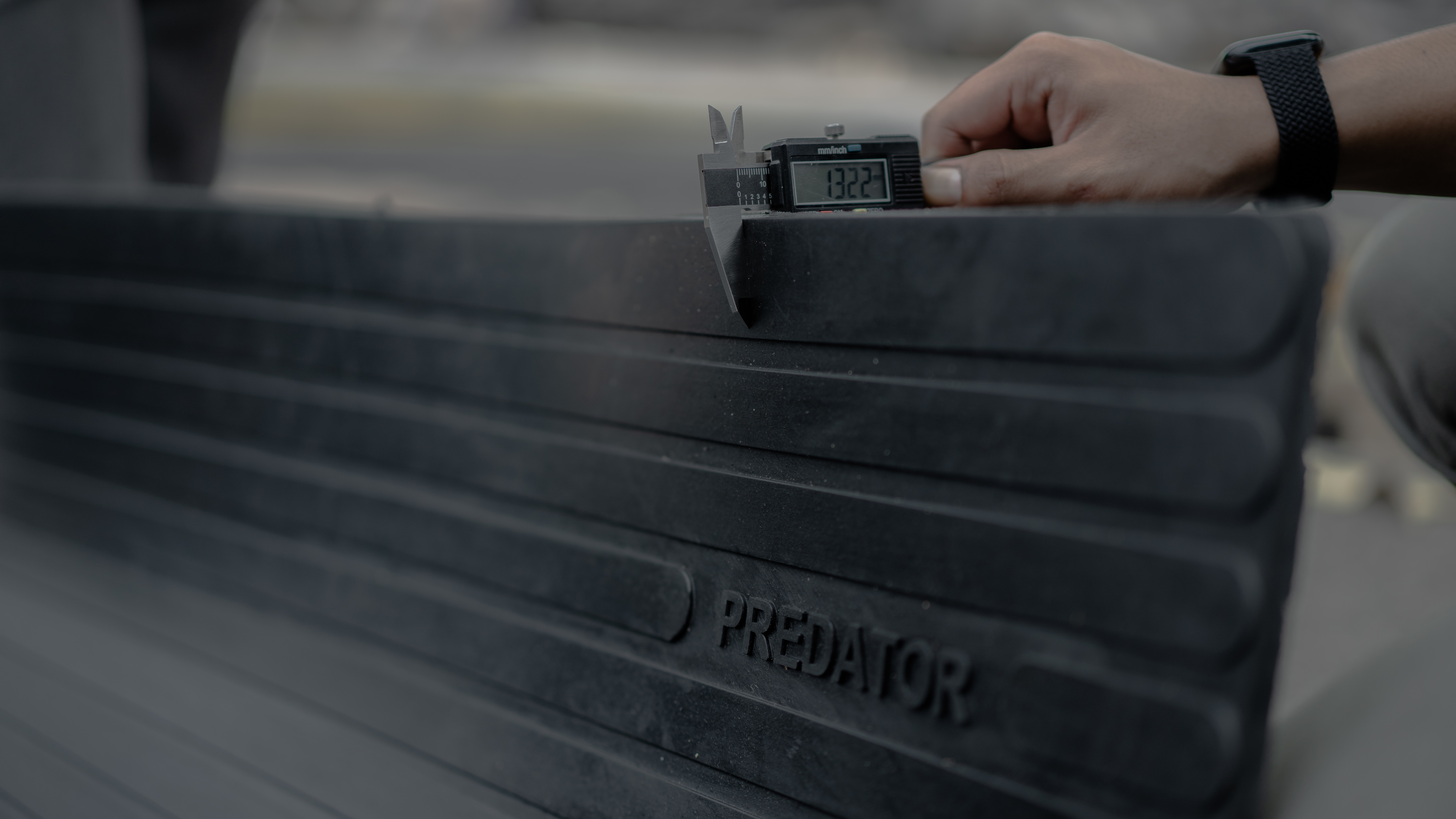
Usage Predator cow rug this helps create a more comfortable surface that doesn't absorb heat as readily as cement floors. With more stable footing, cows can rest more comfortably even when the ambient temperature rises.
Floor surfaces that are too hard and hot can increase discomfort. Cows will be standing more frequently, increasing pressure on their feet and increasing the risk of injury.
Usage Predator cow rug this helps create a more comfortable surface that doesn't absorb heat as readily as cement floors. With more stable footing, cows can rest more comfortably even when the ambient temperature rises.
Strategies for Facing the Dry Season
Some steps that breeders can take:
- Ensure optimal cage ventilation
Some steps that breeders can take:
- Ensure optimal cage ventilation
- - Provide access to sufficient drinking water
- - Reduce the density of cattle in the pen
- - Improve the floor system to prevent overheating.
A more comfortable pen will help cows get through the dry season without a significant decrease in performance.
Stable Productivity Throughout the Season
Farmers who understand the importance of barn management focus not only on feed but also on the livestock environment. With the right barn system, the risk of heat stress can be reduced and cattle growth can be optimal.
Predator supports Indonesian farmers in creating more comfortable and safe cattle pens in various weather conditions.
Predator supports Indonesian farmers in creating more comfortable and safe cattle pens in various weather conditions.