Predator Rubber Team
Our expert team is dedicated to providing quality information about livestock farming and animal welfare.
Related Articles
The importance of leveled cow matt placement: Placement impact on cattle health
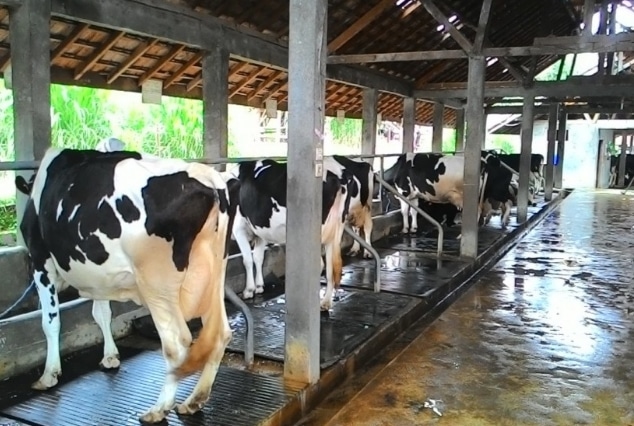
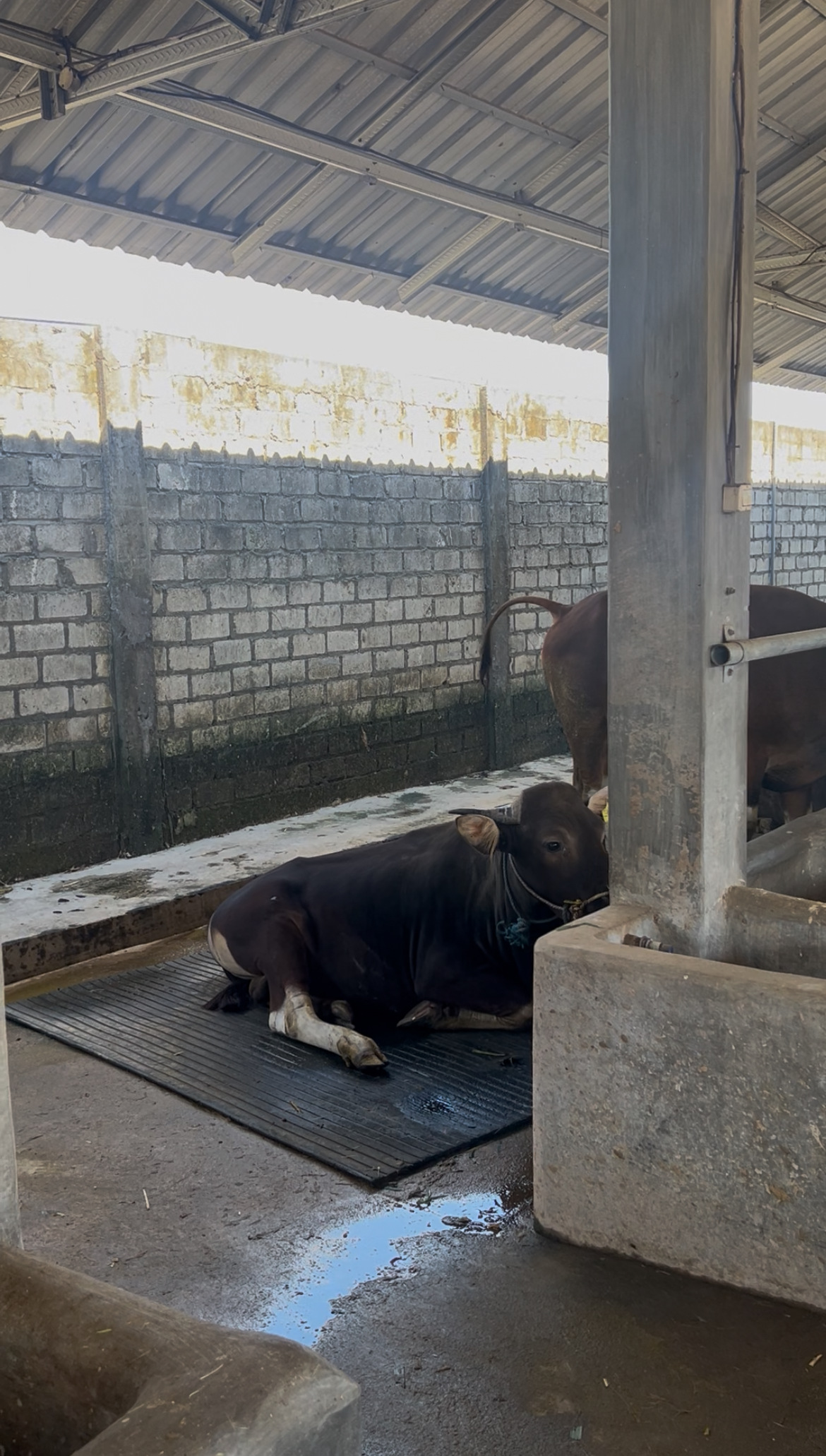
Cow mats are an important product for improving livestock comfort, especially for dairy cows. Proper placement of these mats can support cow health and welfare; however, careful consideration is required when determining how they should be installed inside the barn.Some high-end farmers particularly those supplying milk to large companies such as Nestlé, HUT, and Diamond, tend to install cow mats recessed into the concrete floor. This method adjusts the mat’s dimensions and thickness so that it aligns flush with the barn surface. Such an approach can be effective for farms equipped with advanced water drainage and cleaning systems that allow for regular and thorough sanitation.However, for farms with more basic facilities, especially in rural areas, this installation method may pose health risks to the cows. Recessed mats can create gaps that are difficult to clean, allowing manure, water, and feed residues to accumulate. These conditions encourage bacterial growth and disease development. Over time, this may increase the risk of infection, ultimately affecting cow health and productivity.Therefore, it is strongly recommended that cow mats be placed on top of a flat concrete surface rather than recessed into it. This approach makes installation simpler, keeps the barn cleaner, and prevents the formation of hazardous dirt traps. It also facilitates more effective barn cleaning, helping maintain a hygienic environment and reducing the risk of disease.Ultimately, farmers should adjust cow mat placement methods according to their barn conditions and management systems, whether operating large scale commercial farms or small rural holdings.
Read More
A Commonly Overlooked Breeder Mistake: Cage Floors That Are Too Slippery
Many farmers focus on cattle feed and health, but often forget about the condition of the barn floor. However, floors that are too slippery can be a major cause of stress, injury, and even difficulty standing comfortably.Therefore, the use of cow shed rubber carpet started to become the choice of many modern breeders to improve the safety and comfort of livestock.The Impact of Slippery Cage FloorsCattle are heavy animals that require stable footing every day. Slippery stall floors increase the risk of slipping, especially when the stall area is wet or contaminated with manure.This condition can cause:- Wounds on cow's legs- The cow had difficulty standing.- Decreased appetite- Stress in livestock- Cow activity becomes uncomfortableIn the long term, poor cage conditions can also affect livestock productivity.Solution with Anti-Slip Cow CarpetOne of the solutions that is widely used today is the installationanti-slip cow carpet.Rubber mats help create a more stable and comfortable footing for cows.Besides reducing the risk of slipping, rubber mats also help reduce pressure on cows' feet when standing for too long.Advantages of Rubber Carpets for CagesHere are some reasons why many farmers are starting to use cow shed carpet:1. Safer Surfaces The anti-slip texture helps cows move more stably in the pen.2. More Comfortable for Livestock The rubber material feels softer than regular cement floors.3. Durable and Strong Quality carpets have high resistance to heavy loads.4. Easy to Clean Cage maintenance becomes more practical and efficient.5. Suitable for Various Types of Cages Can be used for beef cattle and dairy cattle pens.Small Investment for Big ImpactSome farmers still consider cow mats a mere addition. However, comfortable barn facilities can help maintain optimal livestock conditions.Use quality cowhide rubber carpetIt's not just about comfort, but also a step towards creating a safer, more modern and more efficient livestock system.
Read More
Cows Often Slip? Don't Take It Lightly
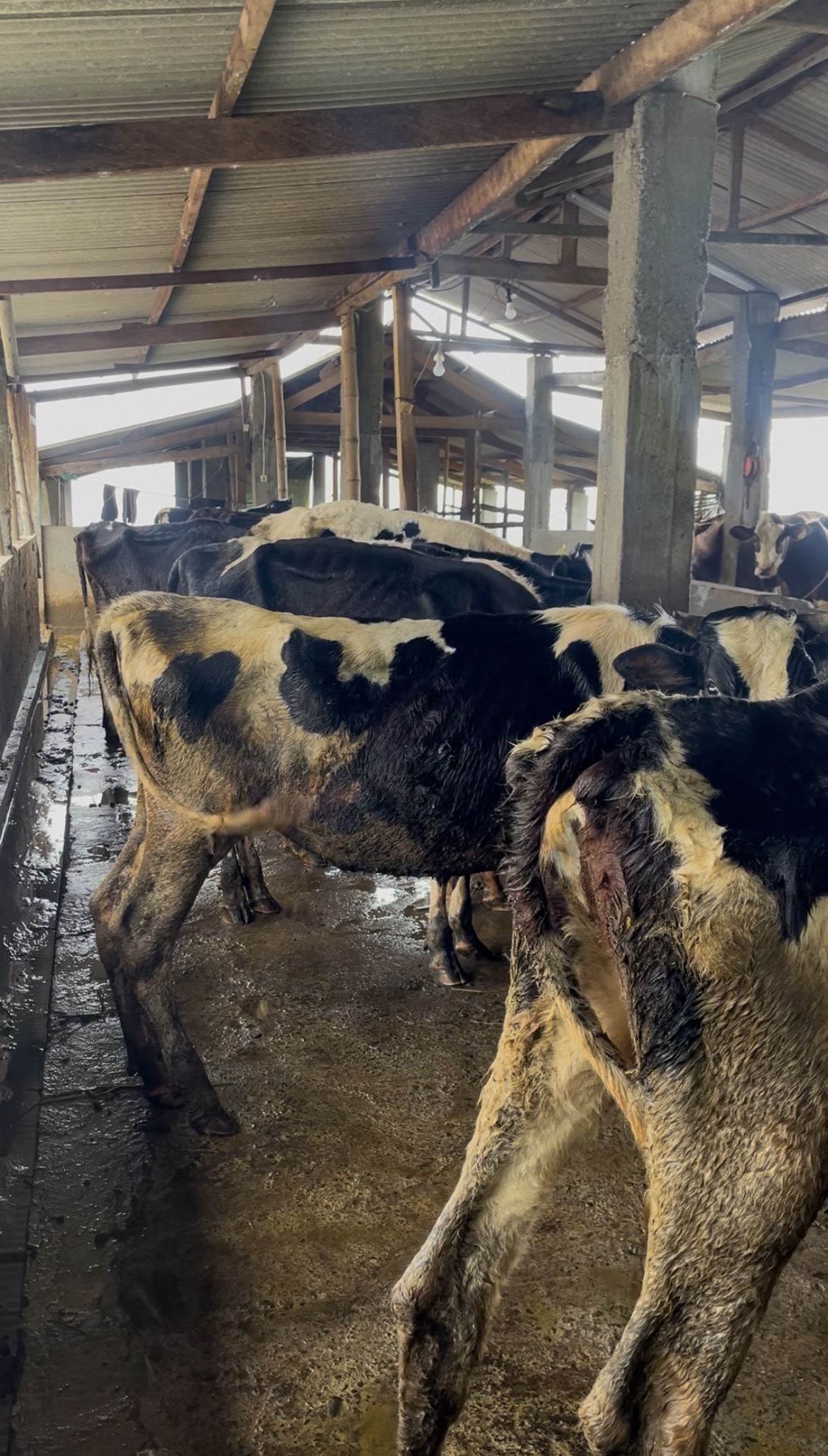
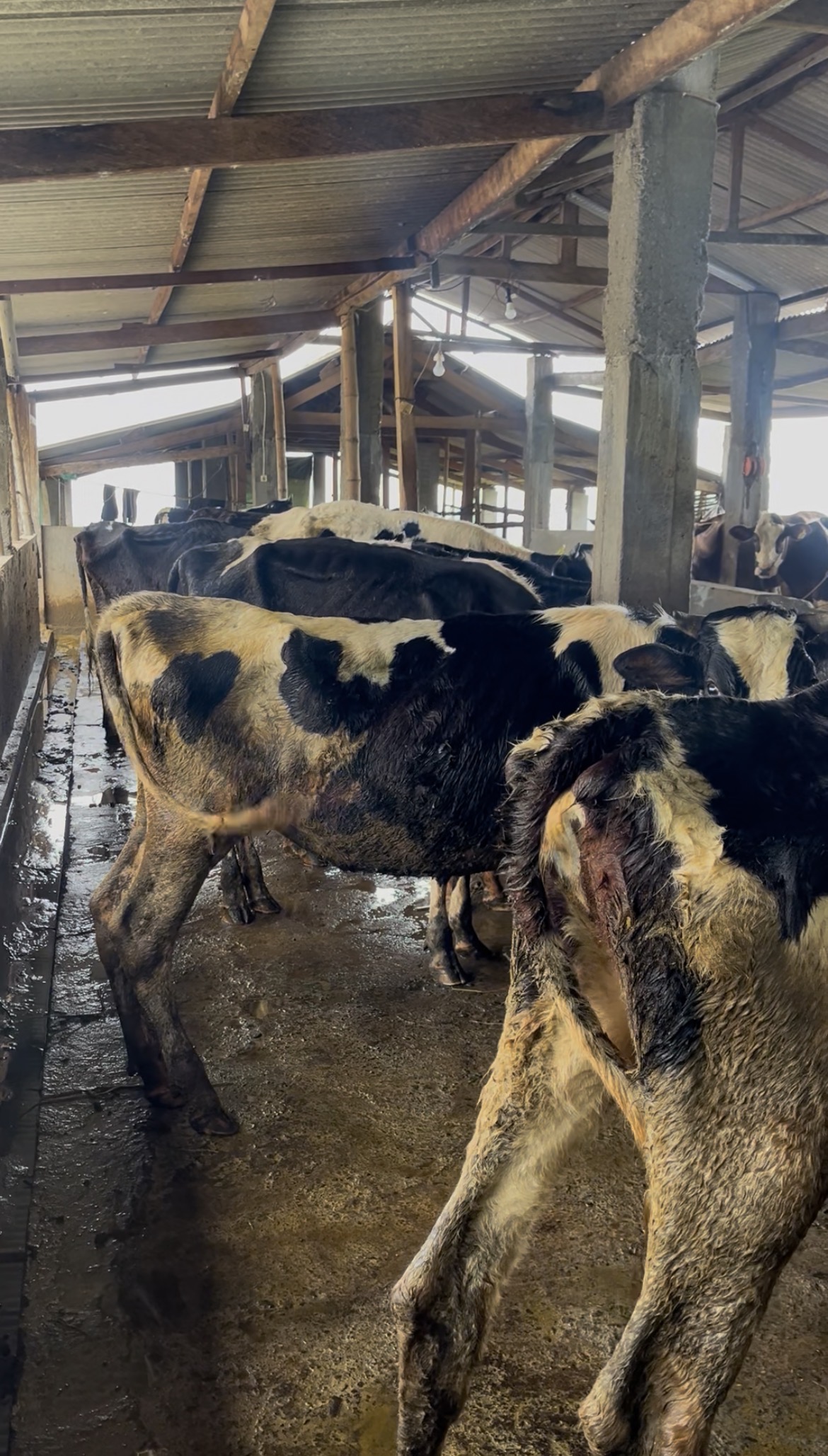
Many farmers focus on feed and vitamins, but forget one crucial aspect: the condition of the barn floor. Slippery floors can be a major cause of cow stress, injury, and even loss of productivity.Why Do Cows Slip Easily?Wet, hard, and slippery barn floors make it difficult for cows to walk. This is especially true given their heavy body weight. One slip can have serious consequences:- Sore or swollen feet- Difficulty standing- Decreased appetite- Milk production or weight also decreases- Increased risk of infectionMany cases of cows appear healthy at first, but after being injured by slipping, their condition slowly declines.Impacts That Farmers Often Don't RealizeInjuries to cattle aren't just physical. Cows in pain are more prone to stress. As stress increases, productivity suffers.In dairy cows, milk production can decrease. Meanwhile, in fattening cows, weight gain slows because the cows are less likely to move and eat.Losses like this often come slowly so that many farmers are unaware that the source of the problem comes from the floor of the cage.A Simple Solution That Is Starting to Become Widely UsedNowadays, many farmers are starting to use cow shed carpets as additional flooring to help reduce slipperiness on the floor.Cage carpets help:- Reducing the risk of cows slipping- Makes the footing more comfortable- Reduce pressure on the cow's legs- Helping to keep the barn clean- Make the cage more durable and neatA comfortable cage does not mean luxurious, but safe for livestock every day.Modern Farmers Begin to Prioritize Livestock ComfortModern animal husbandry focuses not only on livestock numbers but also on the comfort and health of the cows. Comfortable cows tend to be healthier and more productive.Small things like repairing the floor of the cage often have a big impact in the long run.ConclusionCow slips are no small matter. A minor injury can escalate into a major loss if not prevented early. Therefore, it's crucial for farmers to pay attention to the condition of their pens, especially the floor, which is used daily.A safe and comfortable pen helps maintain cow health, increases productivity, and optimizes livestock farming efforts.
Read More
Cage Costs Seem Expensive? There Could Be Leaks the Breeder Has Never Noticed
Many farmers complain that livestock costs continue to rise, even though their cattle numbers haven't increased and yields aren't optimal. Feed is regulated, medication is purchased as needed, but expenses remain high. This situation is often referred to as "over-run."leaking cage costs, coming out little by little, but steadily.The problem is, these cost leaks are rarely directly visible.A Small Fee That Seems ReasonableAdditional medication, extra vitamins, extra manpower for cage cleaning, and delayed harvest times are often considered trivial. However, when added together, these small costs can add up to a significant burden over a single period of care.The root of the problem is often not in feed management, but in barn conditions that do not support the health of the cows.Uncomfortable Cage = Ongoing CostsUncomfortable cows are more susceptible to illness, stress, and foot problems. Every small issue adds to the cost, making expenses seem endless.The previous article discussed signs of problematic barns, from rapidly developing odors to cows rarely lying down. All of these indicators are directly related to cost leakage.Stopping Leaks at the SourceRather than continuing to cover costs downstream, farmers need to stop leakage at the source. The primary focus is on housing systems, especially the cow shed floor which is the main point of contact for livestock every day.Small but targeted improvements can reduce the need for medication, reduce the risk of injury, and speed up harvest time.Cow Carpets as an Efficiency ToolUsage Predator cow rug not only does it increase comfort, but it's also a cost-effective tool. With safer and more comfortable floors, the risk of health problems is reduced and unexpected expenses are reduced.Long-term thinking ranchers are starting to see cow rugs as an investment, not an additional expense.Healthier Farms, More Controlled CostsWhen barns are improved from the ground up, the effects are felt throughout the entire livestock system. Cows are healthier, care is easier, and costs are more manageable.Predator is committed to helping Indonesian farmers stop the leakage of cage costs with real solutions that can be implemented immediately.
Read More
Conventional Cages vs. Modern Cages: Which is More Profitable for Farmers?
In the world of cattle farming, there is still much debate about whether to maintain traditional housing systems or switch to more modern ones. Some farmers feel that conventional housing is sufficient, as long as the cattle can still eat and grow. However, more and more farmers are realizing that housing comfort significantly impacts long-term productivity and costs.So, what's the difference between a conventional cage and a modern cage? And which is more profitable?1. Floor Structure and ComfortConventional pens generally use plain cement or dirt floors. While they may seem sturdy and simple, they can cause long-term problems, such as being slippery, damp, and hard on the cows' feet.Meanwhile, modern barns place greater emphasis on comfort, particularly on the floors of the cow pens. Surfaces are made safer, non-slip, and allow cows to stand and lie down comfortably.These differences may seem small, but they have a huge impact on the health of the cow's feet and stress levels.2. Impact on Livestock HealthIn a typical barn, problems such as limping, injured hooves, and odor are often considered normal. However, these conditions are actually signs that the environment is not optimal.Modern pens are designed to minimize these risks. Cows are more stable when walking, lie down more often, and tend to grow more consistently.A comfortable environment helps maintain the cow's immune system and reduces the need for additional medication.3. Long-Term Cost EfficiencyMany breeders believe that modern cages require a higher initial cost. However, what is often overlooked are the hidden costs of conventional cages: medication, vitamin supplements, the risk of injury, and longer harvest times.With a better housing system, these costs can be reduced. This means efficiency isn't just about initial cost, but also about long-term stability.4. The Role of Cow Carpets in Modernizing ShedsOne practical step toward a modern barn without major renovations is the use of Predator cattle carpet. This carpet helps create a more comfortable, non-slip floor that's easier to clean.With the addition of the right flooring system, a standard barn can be upgraded without having to rebuild from scratch.5. Investment or Expense?The biggest question farmers often have is: is improving the barn an investment or just an extra expense?The answer depends on your perspective. If a more comfortable barn can improve cow health, accelerate growth, and reduce maintenance costs, then it's a worthwhile investment.ConclusionA standard cage may seem adequate, but modern cages offer greater stability and efficiency in the long run. Farmers looking to expand their livestock operations should consider upgrading their housing system as part of their business strategy.Predator is here to support Indonesian farmers in creating more comfortable, safe, and profitable cattle pens.
Read More
Hidden Costs of Lame Cows in the Pen
Lameness in cattle is a serious problem in fattening farms. Many farmers only realize the damage after the condition has become severe. However, the underlying cause often stems from the system.suboptimal cow shed floor.Causes of Lameness in Cows- Surface is too hard- Slippery floor- Excessive pressure on the joints- Unstable nails- Humid environmentLarge cattle are particularly susceptible to floor pressure. Without cushioning, joints can slowly become inflamed.Losses Incurred- Daily weight gain decreased- Reduced feed consumption- Medical costs are increasing- Risk of secondary infection- The selling price of cattle has fallen drasticallyIn a 3-month fattening period, a 0.3 kg per day decrease in growth can mean a loss of tens of kilograms in final weight.Lameness in cattle is not only a health issue, but also a serious threat to profits. Using a flooring system with high damping and stability, such as Predator Cow Carpet helps reduce excessive pressure on the cow's joints and hooves. Early prevention is far more cost-effective than treatment costs and potential reduction in market value.Preventing lameness in cattle through a comfortable housing system is much more economical than treating it.
Read More