Predator Rubber Team
Our expert team is dedicated to providing quality information about livestock farming and animal welfare.
Related Articles
Slippery Cow Shed Floors: A Risk of Injury That Threatens Profits
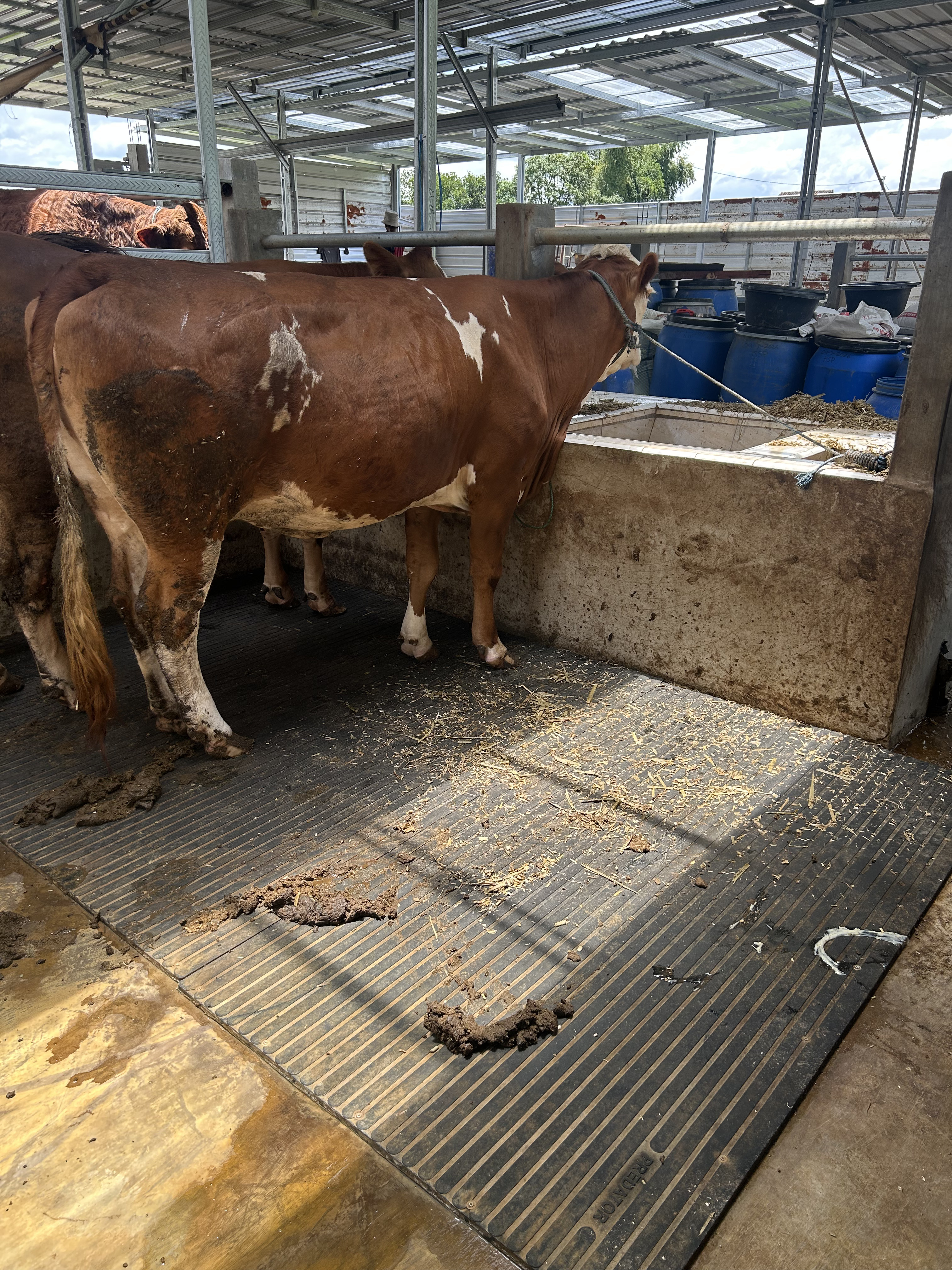
Slippery cow barn floors are a major cause of injury on modern farms. Many farmers focus on feed and nutrition, but forget thatanti-slip cage floorvery important for livestock safety.Large cattle have a high center of gravity. When standing or sitting, they need stable footing. If the stall floor is slippery, the risk of slipping is very high.The Dangers of Slippery Floors for CowsCommon injuries include:- Injury to the knee- Muscle bruise- Joint injury- Cracked nails- Permanent limpCows that have slipped often become more alert and stressed. They will stand longer and be reluctant to lie down, which ultimately affects their performance.beef cattle productivity.The Invisible Financial ImpactThe costs of injury extend beyond medical expenses. Other impacts include:- Final weight loss- FCR worsens- Selling value down- Risk of not passing buyer selectionInvestment in the systemanti-slip and elastic cow shed floormuch cheaper than bearing the loss due to lame cows.An ideal floor should have strong grip, be water-resistant, and be able to absorb the pressure of the cows' weight. A safe housing system is the foundation of sustainable livestock farming.Livestock safety starts with stable footing.Predator Cow CarpetIt has a non-slip surface and elastic structure that helps reduce the risk of slipping in heavy cattle. This solution not only maintains the health of cattle's feet but also protects your livestock investment in the long term.
Read More
Strategy to Increase Cattle Weight Faster with the Right Pen
In modern animal husbandry, increasing cattle weight isn't just about feed. Many farmers still focus on concentrates and forage, but overlook another important factor:pen. In fact, a comfortable pen has a major impact on the growth and health of cattle.Stressed cattle will experience decreased appetite and suboptimal metabolism. Stress can originate from hard, slippery, or muddy pen floors. Therefore, the use of cow rugs is one of the solutions that is starting to be implemented by many progressive breeders.Why Does a Comfortable Cage Affect Weight?Comfortable pens help cows:- Lie down more often and relax- Reduces foot and joint injuries- Maintaining body hygiene- Reduce the risk of nail diseaseWhen cows feel comfortable, more of the energy from feed will be converted into meat, rather than wasted on fighting environmental stress.The Role of Cow Carpets in Modern Shelter SystemsConcrete floors are strong and durable, but they are hard surfaces. Over time, this can cause injury to cows' feet.cow rug functions as a bearing.Advantages of using cow rugs:- Soft and non-slip surface- Reduce floor humidity- Easy to clean- Durable and strong enough to support heavy cattleMany farmers report improved livestock performance after changing their flooring systems. Furthermore, healthcare costs also tend to decrease.The Ideal Size of a Cow CarpetElectioncow carpet sizeThe size of the pen must be adjusted to the type of pen and the weight of the cattle. For large adult cattle, ensure it's large enough for standing and lying down. Avoid making it too small, as this can reduce its effectiveness.Investing in a coop is not just an expense, but a long-term strategy to increase productivity.Modern farming isn't just about feeding as much as possible. A comfortable environment is key to success. With well-organized pens and the proper use of cow mats, cattle growth can be optimized.If you want maximum results, start evaluating your barn conditions today. Because comfortable cows equal maximum weight.
Read More
Rainy Season and the Challenges of Modern Cow Sheds
The rainy season brings great risks for beef cattle. High humidity can worsen floor conditions and increase the risk of nail disease.Common Problems During the Rainy Season- Wet floor- Puddle- The smell increases- The cow is reluctant to lie down- Risk of nail infectionFloors that are too cold and wet make cows uncomfortable. As a result, they rest less and stress increases.How to Anticipate- Make sure the floor slope is sufficient- Use a flooring system that does not absorb water- Repair the drainage channels- Increase the frequency of cleaningModern cattle housing systems must be able to adapt to seasonal changes. Investing in the right flooring structure helps maintain stable productivity throughout the year.When the rainy season arrives, humidity and the risk of muddy floors increase.Predator Cow CarpetIt's designed to resist water absorption, remain stable in wet conditions, and help keep cattle secure. Ensure your barn is ready for the rainy season without compromising livestock comfort and productivity.
Read More
Rainy Season Coming? Here Are the Hidden Risks in Cow Sheds to Watch Out For
The rainy season is often considered a blessing due to cooler temperatures and abundant forage. However, livestock farmers often face significant challenges: damp, muddy pens that pose health risks to their cattle. If not properly managed, the rainy season can lead to increased maintenance costs and decreased livestock performance.This article discusses the hidden risks in cattle pens during the rainy season and the preventative measures that farmers can take.Humidity Height Triggers Health ProblemsHeavy rainfall drastically increases the humidity in the barn. Floors that are difficult to dry create an ideal environment for bacteria and fungi to thrive. As a result, cows are more susceptible to skin diseases, hoof infections, and even respiratory problems.This problem often appears slowly and is considered normal. However, excessively damp barns are one of the main triggers for a reduced immune system in cattle.Slippery Floors and Risk of InjuryDuring the rainy season, barn floors become more slippery. Water mixed with manure makes the surface even more dangerous. Cows that slip risk leg and joint injuries.Minor injuries can have significant consequences if not treated promptly. Besides medical costs, livestock productivity can also decrease due to discomfort in movement.The smell appears fasterExcessive humidity accelerates the decomposition of urine and manure. This is why cow sheds often smell more quickly during the rainy season. The pungent odor not only disturbs the surrounding environment but also affects the cows' well-being.Cattle in uncomfortable environments tend to become stressed and lose their appetite. In the long term, this impacts growth and crop yields.The Importance of a Supportive Floor SystemFacing the rainy season doesn't mean farmers need to undertake major renovations. The main focus is on the barn flooring system, which helps reduce waterlogging and maintains a stable surface.Usage Predator cow rug is a solution that helps create safer and more comfortable footing. The non-slip, quick-drying surface helps reduce the risk of injury and maintains optimal cage hygiene.With the right flooring system, the rainy season is no longer a major threat to livestock health.Better Preparation, Less RiskFarmers who are prepared for the rainy season usually anticipate it well in advance. Ensuring proper drainage, regulating air circulation, and repairing barn floors are all strategic steps they can take.Predator is here to help Indonesian farmers create more weather-resistant cattle pens. Comfortable and safe pens are key to maintaining stable productivity throughout the season.Don't wait for problems to arise during the rainy season. Prepare your pen now to keep your cattle healthy and keep costs under control.
Read More
Automated Cooling & Ventilation: Affordable Technology to Reduce Heat Stress
Heat stress is one of the main factors reducing dairy cow productivity in tropical climates such as Indonesia. High temperatures and humidity make it difficult for cows to dissipate body heat, leading to reduced feed intake, lower activity levels, and declining milk production. These conditions often go unnoticed, yet their impact on daily cow performance can be significant.The implementation of automated cooling and ventilation systems, such as barn fans, sprinklers, and cross ventilation, has proven effective in lowering the perceived temperature inside barns. These technologies are relatively simple and affordable, yet highly effective in reducing heat stress and maintaining cow comfort. FAO reports that proper cooling systems can increase feed intake and help stabilize milk production, particularly during hot and humid conditions.With relatively low investment, automated cooling and ventilation systems offer a practical solution for farmers to maintain animal health and production sustainability. A cooler barn environment and good air circulation not only improve animal welfare but also enhance overall farm efficiency.
Read More
Cow sheds quickly smell, not because they are rarely cleaned, but because of this
Many farmers complain about the same problem: cow sheds smell quickly, despite routine cleaning and spraying every day. The ammonia odor persists, the cows appear uncomfortable, and the surrounding environment is disturbed. If you experience this, the problem is likely not with the frequency of cleaning the pen, but with the pen system itself.This article discusses the main causes of smelly coops that are often overlooked by farmers, as well as realistic solutions that can be implemented without major renovations.Too Much Water Just Makes the Odor WorseSpraying the cage with water is intended to clean up waste. However, if done without a supportive flooring system, the water will stagnate and increase humidity. This dampness accelerates the development of ammonia odors.A stall floor that takes longer to dry allows urine and manure to mix. As a result, even if the stall appears clean, the odor persists within hours.The Cage Floor is a Determining FactorOne of the main causes of cow sheds smelling quickly is cage floor which are unable to manage fluids properly. Plain cement or dirt floors absorb water and urine, then release it back as odor.Besides the smell, constantly wet floors also increase the risk of slipping and hoof problems in cattle. This combination of problems is often taken for granted, yet it has significant impacts on livestock health.Barn Odor Has a Direct Impact on ProductivityPungent odors not only bother humans but also affect the well-being of cows. An uncomfortable barn environment can easily cause cows to become stressed, lose their appetite, and reduce their rest time.If left untreated, this condition can lead to suboptimal growth and increased maintenance costs. In other words, cage odor is an early sign that the housing system needs improvement.Cow Carpet as an Odor Control SolutionOne solution that is starting to be implemented by many breeders is the use of Predator cow rugs. This carpet helps reduce standing water, keeps the floor surface dry, and minimizes direct contact between cows and urine.With a drier floor, the barn cleaning process is more effective and odors are less likely to develop. Furthermore, the cows feel more comfortable standing and lying down.A Healthy Coop Starts with the Right SystemAddressing barn odor isn't about adding perfume or spraying more frequently, but rather improving the basic barn system. Focusing on the barn floor and cow comfort is the most sensible first step.Predator is here to help Indonesian cattle farmers create healthier, odor-free cattle pens that support livestock productivity. Because good pens not only look clean but also feel comfortable for the cows.
Read More