Our expert team is dedicated to providing quality information about livestock farming and animal welfare.
Expert in Animal Welfare & Quality Products
Related Articles
The Secret to a Comfortable Cow Barn: The Right Way to Lay Down Carpets
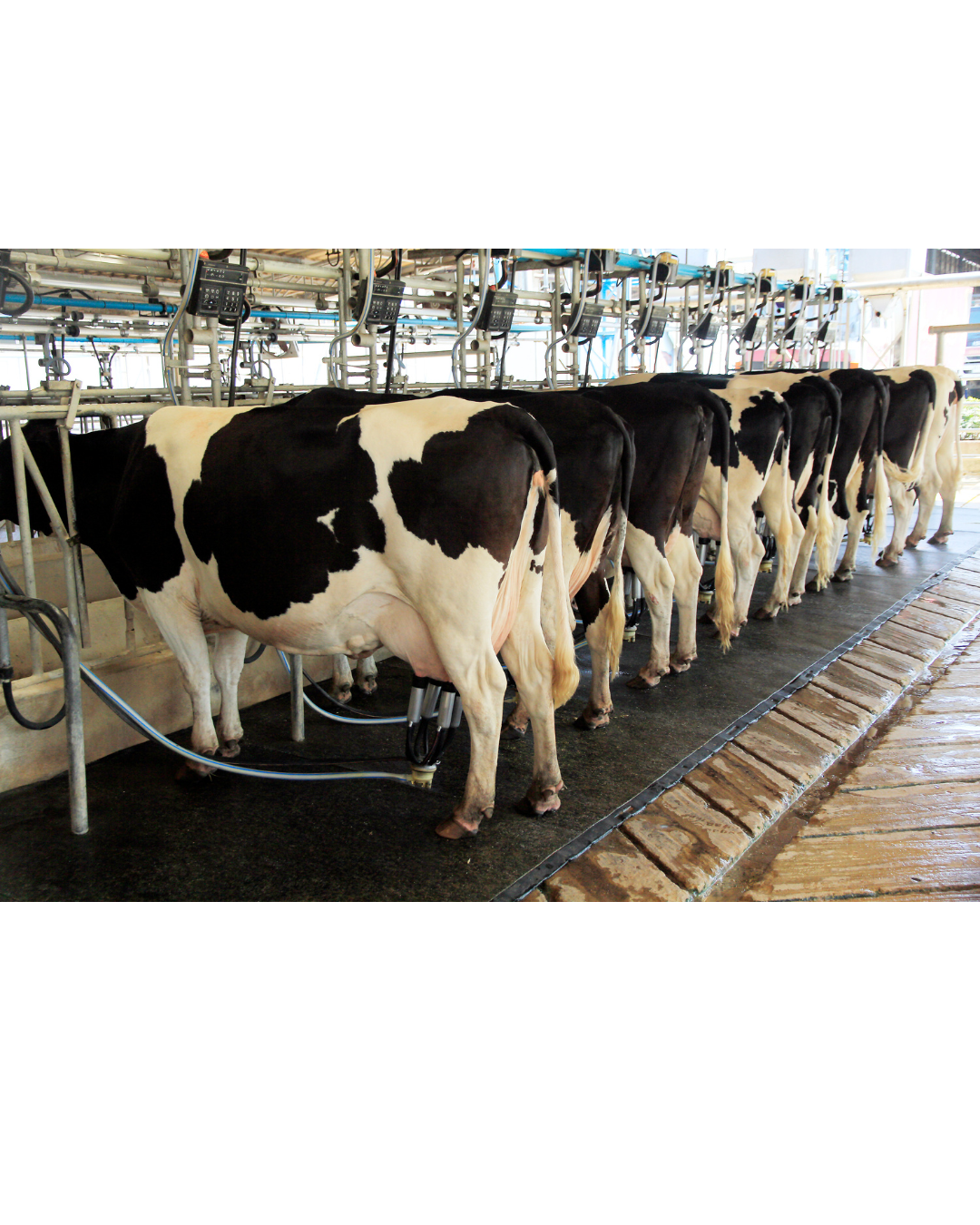
The Right Method for Placing Cow Mats to Create a Comfortable Cow BarnIn modern animal husbandry, creating a comfortable cow barn is no longer an option, but a necessity. One method that has proven effective in increasing livestock comfort and productivity is the use of cow mats. However, the benefits of cow mats will not be maximized without the right placement method. This is where education plays an important role for every farmer.Why is Cow Mat Placement So Important?Many farmers already use cow mats, but still complain that their cows are easily stressed, have foot problems, or that the barn remains slippery. The problem is often not with the product, but with the installation method. Cow mats that are installed carelessly can reduce traction, accelerate wear and tear, and even endanger livestock.With the correct installation method, cattle mats function as anti-slip flooring, pressure-reducing pads for the feet, and help maintain optimal barn cleanliness.Recommended Methods for Placing Cow Mats by PredatorAs a brand that focuses on modern barn solutions, Predator recommends the following methods for placing cow mats to ensure that barns are truly comfortable and functional:1. Install in High-Activity AreasPrioritize installing cow mats in areas that livestock frequently pass through, such as entry and exit paths, feeding areas, and drinking areas. These areas have the highest risk of slipperiness and require extra protection.2. Ensure the Floor Surface is Flat and CleanBefore installation, the barn floor must be flat, free of bumps, and free of dirt. An uneven surface will reduce the effectiveness of the cow mats and shorten their lifespan.3. Use a Tight Jointing MethodCow mats should be installed tightly without gaps. Gaps between mats can cause dirt to accumulate and pose a risk of cows' feet getting stuck. Predator cow mats are designed with a system that facilitates precise installation.4. Orient the Carpet Pattern CorrectlyThe pattern and fibers on cow carpets have an anti-slip function. Ensure that the installation direction follows the cow's movement path for maximum grip.5. Perform Regular ChecksProper cow carpet placement also includes maintenance. Perform regular checks to ensure that the carpet has not shifted and remains firmly attached to the barn floor.Positive Impact for FarmersWith the right method of placing cow mats, farmers will experience tangible benefits:- Reduced risk of foot injuries in cows- Cows are calmer and less prone to stress- Barns are cleaner and easier to maintain- Livestock productivity increasesThis is why Predator not only sells cow mats, but also provides comfortable cow barn solutions based on proven methods.Cow mats are a long-term investment for farmers. However, without the proper placement method, their benefits won't be optimal. By following Predator's cow mat placement method, farmers can create comfortable, safe barns that maximize livestock performance.Predator – Barn Flooring Solutions for Modern Farmers.
The impact of high quality feed on dairy production and health
Proper and high quality cattle feed roughly contribute 60% - 70% of livestock budget, therefor it heavily implies its quality on dairy productivity. Dairy cow need balance energy, protein, fiber, vitamin, and mineral to ensure stability on dairy production. Data from ministry of agriculture and various livestock feed research center shows that refined quality forage, fermentation, and concentrate formulation could increase local dairy production over 15% - 30%. Well balancecd nutrition could also help prevent disease case such as masititis, ketosis, and reproduction interference.Aside from quality, forage consistency is also a crucial thing. Sudden shift in ration could disrup rumen microbe, lower appetite, and inflict SARA (Sub-Accute Ruminal Acidosis). Farm that properly upheld its feed quality have higher pregnancy rate on their cattle and promote longevity. Its not always about the cost nor budget on livestock feed, but its a major investmen that decide whether the farm is continuing its production or not at all.
The Impact of Barn Cleanliness on Milk Quality and Grading
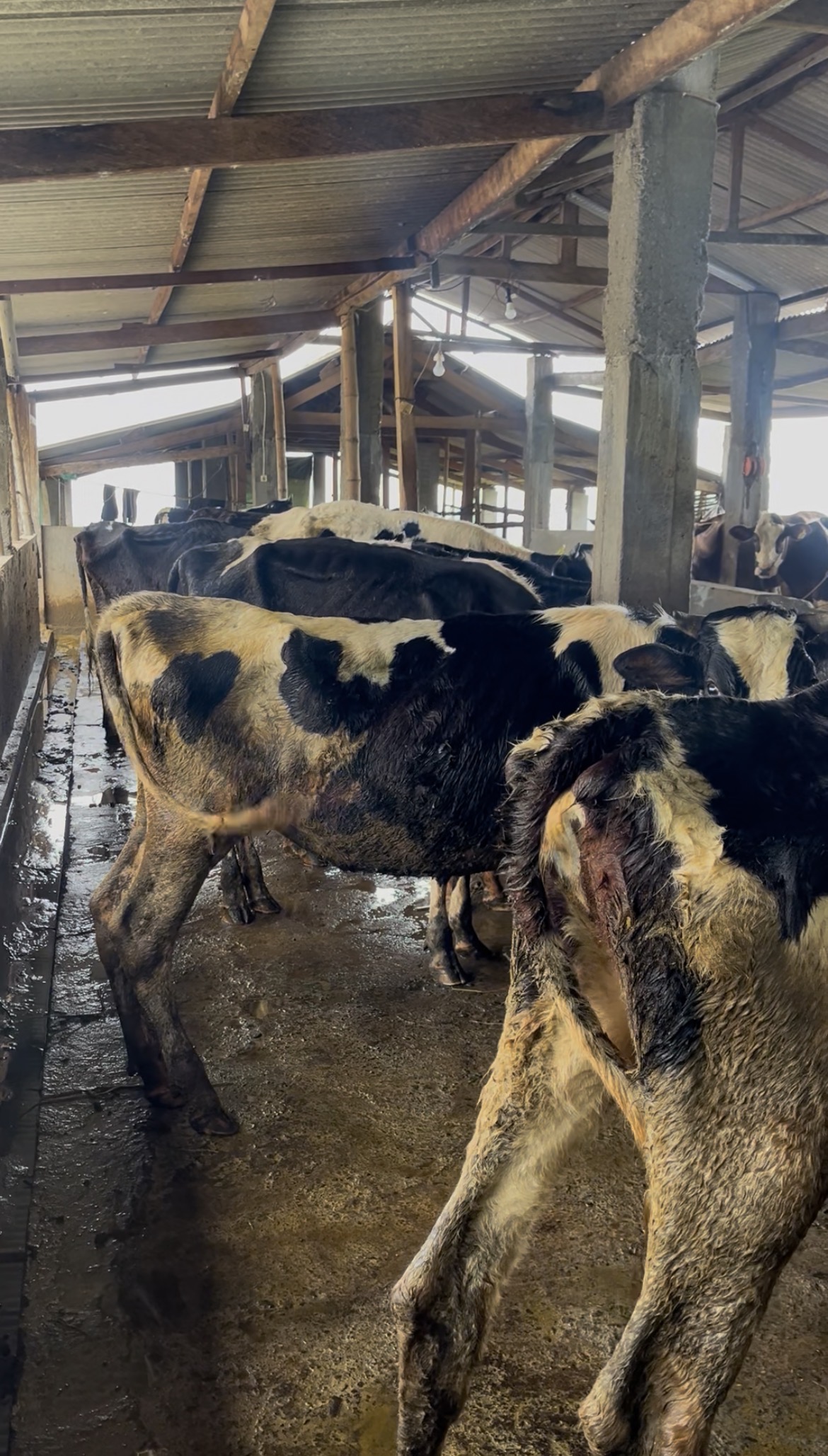
Barn cleanliness has a direct impact on the quality of milk produced by dairy cows. Dirty and humid barn environments increase exposure to pathogenic bacteria, particularly those originating from manure and urine. These conditions raise the risk of milk contamination during milking, increase the Total Plate Count (TPC), and elevate the likelihood of mastitis, which is one of the main causes of declining milk grades.Poor barn hygiene also affects cow comfort. Cows that frequently lie on wet or dirty floors are more prone to udder infections and skin lesions. As a result, milk quality declines, bacterial levels rise, and milk may be rejected or priced lower by dairy processors. FAO states that poor barn hygiene practices are directly correlated with higher incidences of both clinical and subclinical mastitis in dairy cows.Maintaining barn cleanliness does not have to be complicated. Regular cleaning, proper drainage systems, adequate ventilation, and the use of bedding that is easy to clean and remains dry can significantly reduce contamination risks. A clean barn supports healthier cows, better milk quality, and more consistent milk grades, ultimately having a direct impact on farmers’ income.
Many farmers focus on feed and vitamins, but forget one crucial aspect: the condition of the barn floor. Slippery floors can be a major cause of cow stress, injury, and even loss of productivity.Why Do Cows Slip Easily?Wet, hard, and slippery barn floors make it difficult for cows to walk. This is especially true given their heavy body weight. One slip can have serious consequences:- Sore or swollen feet- Difficulty standing- Decreased appetite- Milk production or weight also decreases- Increased risk of infectionMany cases of cows appear healthy at first, but after being injured by slipping, their condition slowly declines.Impacts That Farmers Often Don't RealizeInjuries to cattle aren't just physical. Cows in pain are more prone to stress. As stress increases, productivity suffers.In dairy cows, milk production can decrease. Meanwhile, in fattening cows, weight gain slows because the cows are less likely to move and eat.Losses like this often come slowly so that many farmers are unaware that the source of the problem comes from the floor of the cage.A Simple Solution That Is Starting to Become Widely UsedNowadays, many farmers are starting to use cow shed carpets as additional flooring to help reduce slipperiness on the floor.Cage carpets help:- Reducing the risk of cows slipping- Makes the footing more comfortable- Reduce pressure on the cow's legs- Helping to keep the barn clean- Make the cage more durable and neatA comfortable cage does not mean luxurious, but safe for livestock every day.Modern Farmers Begin to Prioritize Livestock ComfortModern animal husbandry focuses not only on livestock numbers but also on the comfort and health of the cows. Comfortable cows tend to be healthier and more productive.Small things like repairing the floor of the cage often have a big impact in the long run.ConclusionCow slips are no small matter. A minor injury can escalate into a major loss if not prevented early. Therefore, it's crucial for farmers to pay attention to the condition of their pens, especially the floor, which is used daily.A safe and comfortable pen helps maintain cow health, increases productivity, and optimizes livestock farming efforts.