The Importance of a Good Drainage System in Cow Sheds
Artikel Peternakan
1 min read

The Importance of a Good Drainage System in Cow Sheds

03 March 2026
2 months ago
Drainage is often the least noticed part of a barn. However, a poor drainage system can lead to various health and hygiene problems.
Water that does not flow properly will stagnate and increase the humidity of the cage.

Impact of Waterlogging
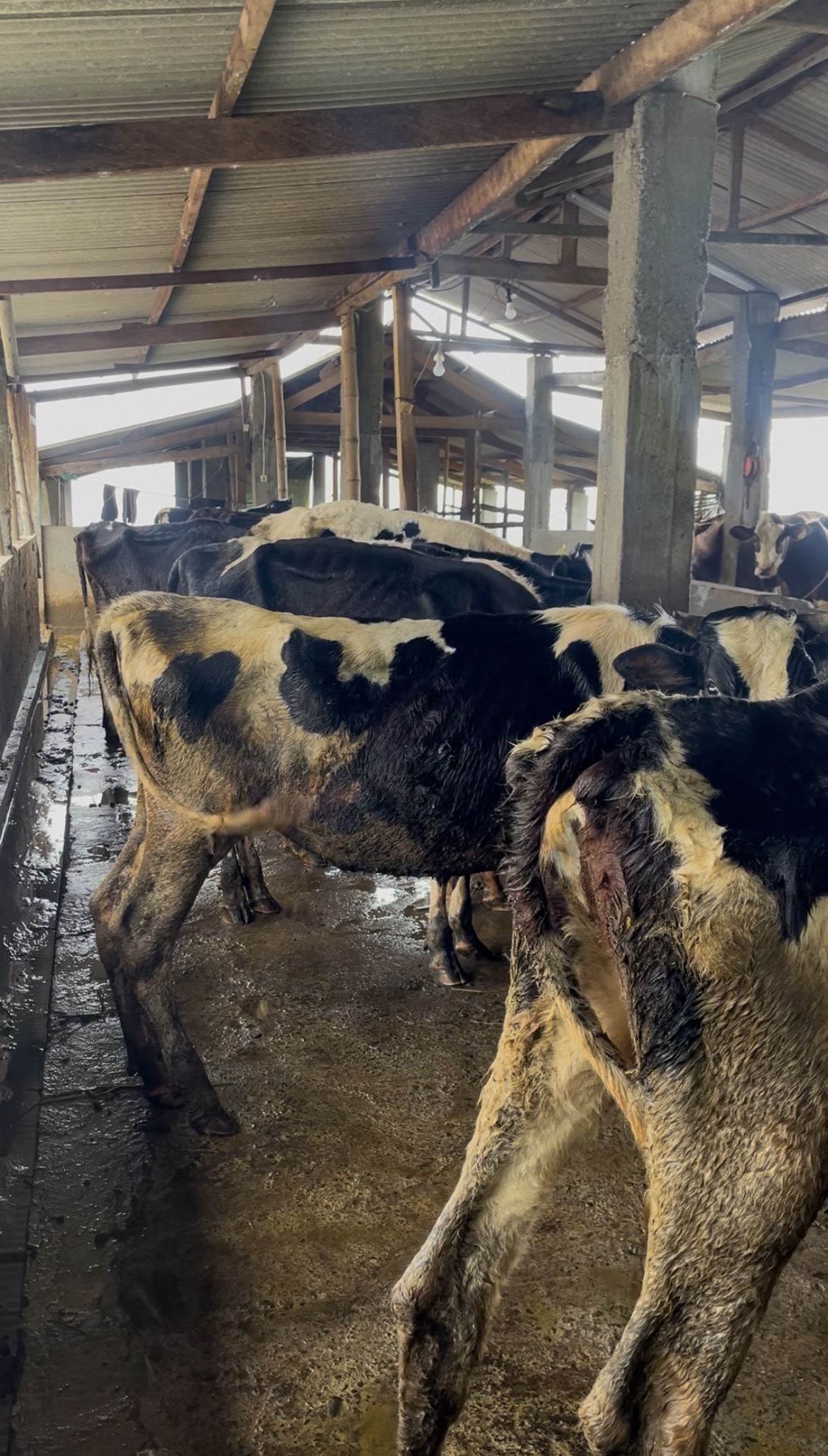
Stagnant water mixed with urine and feces accelerates the development of an ammonia odor. Besides being annoying, this condition also increases the risk of skin diseases and nail infections.
Floors that are always wet also make it easy for cows to slip and get injured.

Effective Drainage Maintains Health
A good drainage system ensures water drains quickly out of the enclosure. Floor surfaces remain drier, cleanliness is maintained, and odors are minimized.
However, drainage alone is not enough if the floor surface is still slippery and hard.

The Right System Combination
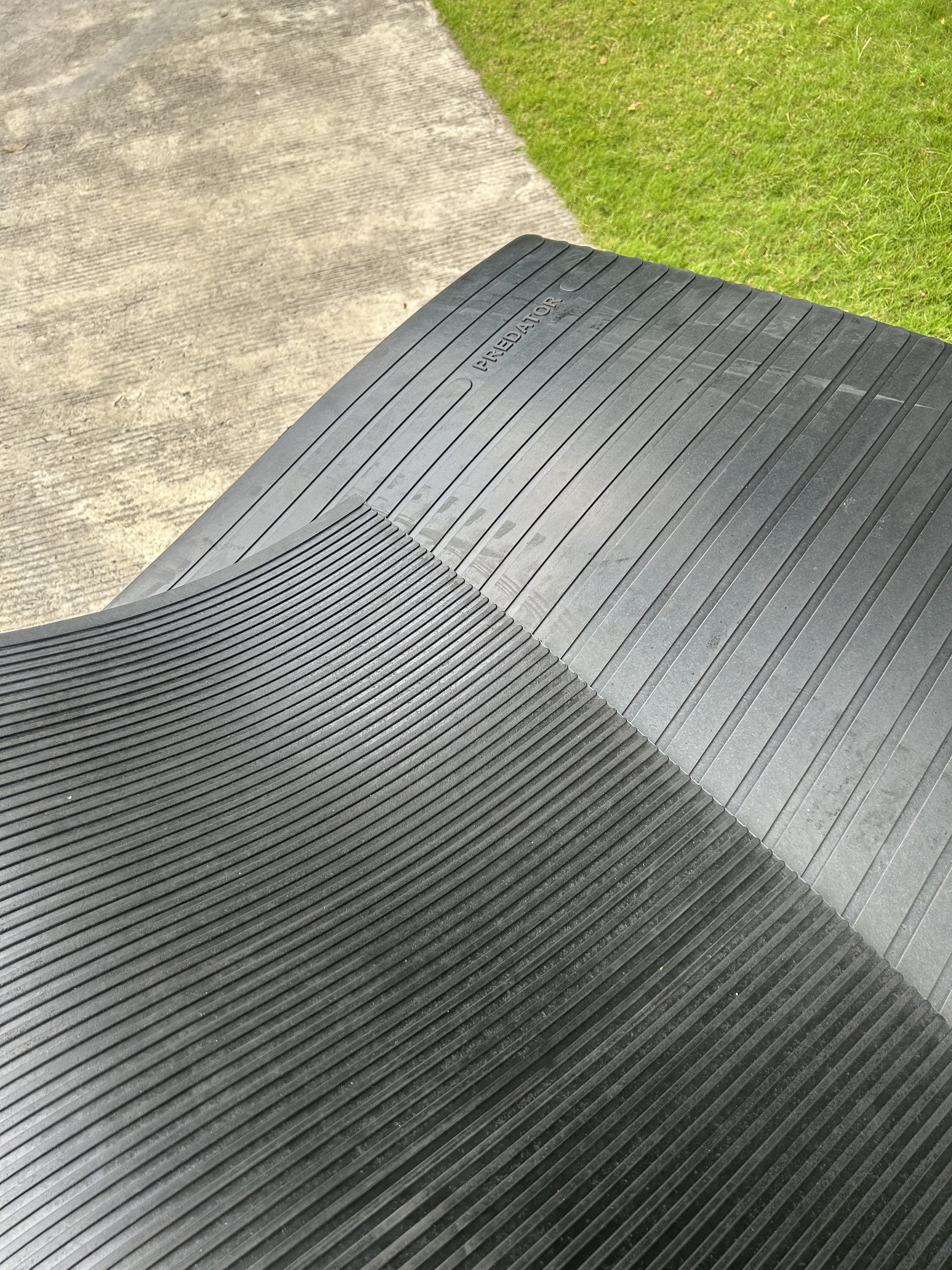
Combining good drainage with the use of Predator cattle mats helps create a more stable barn environment. The surface is safer, less slippery, and more comfortable for the cattle.

Conclusion
Drainage is more than just a water channel, but a vital part of modern barn management. With the right system, health risks can be minimized and productivity maintained.
Share Article

Predator Rubber Team

Our expert team is dedicated to providing quality information about livestock farming and animal welfare.

Expert in Animal Welfare & Quality Products

Related Articles

A Commonly Overlooked Breeder Mistake: Cage Floors That Are Too Slippery

A Commonly Overlooked Breeder Mistake: Cage Floors That Are Too Slippery

Many farmers focus on cattle feed and health, but often forget about the condition of the barn floor. However, floors that are too slippery can be a major cause of stress, injury, and even difficulty standing comfortably.Therefore, the use of cow shed rubber carpet started to become the choice of many modern breeders to improve the safety and comfort of livestock.The Impact of Slippery Cage FloorsCattle are heavy animals that require stable footing every day. Slippery stall floors increase the risk of slipping, especially when the stall area is wet or contaminated with manure.This condition can cause:- Wounds on cow's legs- The cow had difficulty standing.- Decreased appetite- Stress in livestock- Cow activity becomes uncomfortableIn the long term, poor cage conditions can also affect livestock productivity.Solution with Anti-Slip Cow CarpetOne of the solutions that is widely used today is the installationanti-slip cow carpet.Rubber mats help create a more stable and comfortable footing for cows.Besides reducing the risk of slipping, rubber mats also help reduce pressure on cows' feet when standing for too long.Advantages of Rubber Carpets for CagesHere are some reasons why many farmers are starting to use cow shed carpet:1. Safer Surfaces    The anti-slip texture helps cows move more stably in the pen.2. More Comfortable for Livestock    The rubber material feels softer than regular cement floors.3. Durable and Strong    Quality carpets have high resistance to heavy loads.4. Easy to Clean    Cage maintenance becomes more practical and efficient.5. Suitable for Various Types of Cages    Can be used for beef cattle and dairy cattle pens.Small Investment for Big ImpactSome farmers still consider cow mats a mere addition. However, comfortable barn facilities can help maintain optimal livestock conditions.Use quality cowhide rubber carpetIt's not just about comfort, but also a step towards creating a safer, more modern and more efficient livestock system.

Read More
Daily Checklist for Dairy Farmers to Maintain Stable Production

Daily Checklist for Dairy Farmers to Maintain Stable Production

Stable milk production does not happen by chance, but through consistent daily routines. One of the most important daily checks is cow health. Changes in appetite, behavior, or udder condition often indicate early health issues that need prompt attention.Barn hygiene should also be a daily priority. Dry floors, proper drainage, and clean milking areas help reduce the risk of milk contamination and disease. Simple cleaning routines performed daily are far more effective than infrequent deep cleaning.Feed and water management must be monitored every day. Dairy cows require constant access to clean water and consistent rations to maintain stable rumen function. Checking feed leftovers can also help evaluate whether the ration meets the cows’ needs.Milking procedures should be carried out correctly and at consistent times. Pre- and post-milking teat checks, along with clean milking equipment, strongly influence milk quality. With a simple but disciplined daily checklist, farmers can maintain cow health, milk quality, and long-term production stability.

Read More
Cows Standing More Often and Rarely Lying Down? There Could Be a Problem with Your Barn

Cows Standing More Often and Rarely Lying Down? There Could Be a Problem with Your Barn

Many farmers are unaware of one important sign of an uncomfortable cow: cows stand more often and rarely lie down. At first glance, it may seem trivial, even considered normal. However, this behavior is a strong signal that the conditions in the pen are not conducive to livestock comfort.If left unchecked, the habit of cows rarely lying down can have a direct impact on their health, productivity, and maintenance costs.Lying Down Is Not Just RestingWhen a cow lies down, its body is at its most relaxed state. This is the phase during which optimal energy recovery occurs. Cows that get enough time to lie down tend to have better appetites, stable growth, and lower stress levels.Conversely, cows that are reluctant to lie down usually find the floor of the pen too hard, slippery, cold, or damp. As a result, they choose to stand longer even though their bodies are tired.The Negative Impact of Cows Standing Too LongCattle that stand too frequently are at risk of developing foot and hoof problems. Constant pressure can lead to lameness, sores, and even infections. In the long term, this condition reduces cattle performance and increases healthcare costs.Ironically, farmers often only realize this problem when the cows are already showing signs of illness or having difficulty moving.The Cage Floor is a Major FactorThe main reason why cows are reluctant to lie down is almost always related to the cow shed floor. Floors that are not soft and always wet make cows feel unsafe to lie down.This issue is often related to previous articles about quickly smelly cages and minor cage errors. They all come back to the same point: a suboptimal cage flooring system.Cow Rugs Help Cows Lie Down More ComfortablyUsage Predator cow rugThis helps create a softer, non-slippery, and warmer floor surface. This allows cows to lie down and rest comfortably.When cows start lying down more often, farmers will see positive behavioral changes: the cows are calmer, less stressed, and their physical condition is more stable.Cow Comfort is an InvestmentComfortable cows not only appear healthier but are also more profitable. Paying attention to small habits, such as the frequency of lying down, can be the first step in improving overall farm performance.Predator is here to help Indonesian breeders create truly comfortable cages, starting with the right cage flooring.

Read More
Thick vs Thin Cow Carpet: Which is Better for a Barn?

Thick vs Thin Cow Carpet: Which is Better for a Barn?

When choosing cow shed carpet many breeders focus solely on price. However, carpet thickness also significantly determines comfort and durability in the enclosure.Carpets that are too thin tend to wear out more quickly, tear easily, and are less comfortable for cows to walk on. Thick cow hide carpet has better durability for long-term use.Why is Carpet Thickness Important?Cows are heavy and engage in high levels of daily activity within their pens. Using low-quality or too thin carpet will cause the surface to wear out more quickly due to constant pressure.Therefore, many breeders are now starting to choose rubber cow carpet to make it more durable and comfortable to use.The Difference Between Thick and Thin Cow CarpetsThin Cow CarpetThin carpets are usually cheaper, but tend to be less durable.Disadvantages of thin carpets:- Breaks down faster- Easy to tear- Less comfortable for cows- Cannot withstand heavy useThick Cow CarpetThick carpets are designed for long-term use and are stronger to withstand the weight of cows.Its advantages:- More durable- Anti slip- Softer footing- Suitable for intensive cages- Helps improve livestock comfortTips for Choosing Quality Cow Shed CarpetsBefore purchasing, make sure you pay attention to the following things:- Choose quality rubber material- Use a non-slip surface- Adjust the thickness to the cage requirements- Make sure the carpet is not easily torn- Choose the size that fits the cage areaDon't be tempted by low prices. Quality carpets do cost more upfront, but they're more economical in the long run because they don't need to be replaced as often.Solutions for a More Comfortable CageUsageanti-slip rubber cow carpetis a practical solution for modern livestock farming. Besides helping to keep cows safe, quality carpets also make the barn look neater and more professional.By choosing the right carpet, farmers can create a safer, more comfortable, and more durable barn environment to support livestock productivity.

Read More
The Role of Dairy Cooperatives in Maintaining Domestic Industry Stability

The Role of Dairy Cooperatives in Maintaining Domestic Industry Stability

Dairy cooperatives have long been the backbone of Indonesia’s dairy sector. Through collective systems, cooperatives help small scale farmers gain access to quality feed, veterinary services, training, and milk marketing channels. This role is crucial, considering that more than 80% of national milk production comes from smallholder farmers, who then if without cooperative support, would struggle to meet stable production standards. Studies from the Ministry of Agriculture show that farmers who join cooperatives tend to achieve higher efficiency and more stable production compared to those operating independently.At the same time, cooperatives also act as economic stabilizers. When milk prices drop or supply disruptions occur, cooperatives help safeguard farmers income through purchase agreements and more predictable pricing structures. Strengthening cooperatives benefits not only farmers but also serves as a national strategy to secure the sustainability of the domestic dairy industry, when especially as Indonesia still depends on imports for more than 70% of its milk needs. With modern management, transparency, and strong industry collaboration, cooperatives can continue to be the driving force behind the advancement of Indonesia’s dairy farming sector.

Read More
After Realizing the Mistake, Here Are Real Steps to Improve Your Cow Shed to Make It More Efficient

After Realizing the Mistake, Here Are Real Steps to Improve Your Cow Shed to Make It More Efficient

In the previous article, we discussed minor errors in the cow shed what seems trivial can actually slowly drain a farmer's finances. From damp, slippery floors to pens that look clean but aren't truly comfortable for the cows. The question now is,What concrete steps can farmers take after realizing these mistakes?This article is a continuation and practical guide so that farmers do not stop at the "problem awareness" stage, but actually move on to solutions.Evaluation of the Pen from the Cow's PerspectiveThe first step that farmers often overlook is viewing the pen from the cow's perspective. Take a look at:- Do cows often stand and rarely lie down?- Does the floor feel cold, hard, or slippery when you walk on it?- Does the smell appear quickly even though the cage is cleaned regularly?If the answer is yes, it means the barn isn't fully supporting the cows' comfort. However, comfortable cows are calmer, healthier, and grow more efficiently.Focus on Repairs on the Cage FloorOf the various cage factors,cow shed flooris the most crucial point. The floor, which comes into direct contact with the cows' feet and bodies, has a significant impact on the health of their hooves, joints, and stress levels.Repairing the floor doesn't always mean completely dismantling the barn. Many farmers are turning to practical solutions that can be implemented immediately without disrupting daily activities, such as adding a special padding to the cows' footing area.Reducing Costs the Smarter WayA common mistake farmers make is to continually increase downstream costs, such as medication and vitamins, without addressing the root of the problem. However, by improving housing conditions, the need for additional care can be minimized from the outset.This is why a comfortable cage is not an expense, but rather along-term cost-saving toolThe lower the risk of injury and stress to cattle, the lower the unexpected costs.Cow Carpets as an Effective Transitional StepAs a continuation of the previous discussion, the use ofPredator cow rugis one of the most realistic transition steps for farmers. Without the need for major renovations, the barn floor can be softer, less slippery, and easier to keep clean.Cow mats help create a more stable barn environment. Cows are more comfortable standing and lying down, allowing their energy to be focused on growth and production, rather than adapting to the harsh floor.From a More Comfortable Cage to Maximum ResultsFarmers who implement simple improvements to their barns typically begin to see a gradual impact. Cows appear calmer, experience fewer leg problems, and perform more consistently.Here is the common thread from the previous article: “Small mistakes will continue to cost money if left unchecked, but simple solutions can make a big difference if implemented correctly..”Predator is committed to assisting Indonesian livestock farmers to upgrade their livestock, starting with more comfortable, safe, and efficient cages.If you haven't read the previous article about minor mistakes in cow barns, be sure to read it first to understand the root of the problem before implementing the solution.

Read More
Link copied successfully!