A COMPLETE GUIDE TO INCREASING CATTLE PRODUCTIVITY THROUGH A COMFORTABLE AND EFFICIENT CAGE SYSTEM
Artikel Peternakan
4 min read

A COMPLETE GUIDE TO INCREASING CATTLE PRODUCTIVITY THROUGH A COMFORTABLE AND EFFICIENT CAGE SYSTEM

14 March 2026
2 months ago
The modern livestock industry is no longer just about feed and weight. Housing factors are now a major determinant of cattle productivity, health, and market value. Many farmers don't realize that hard, slippery, damp, and unstable barn floors can be a source of long-term losses.

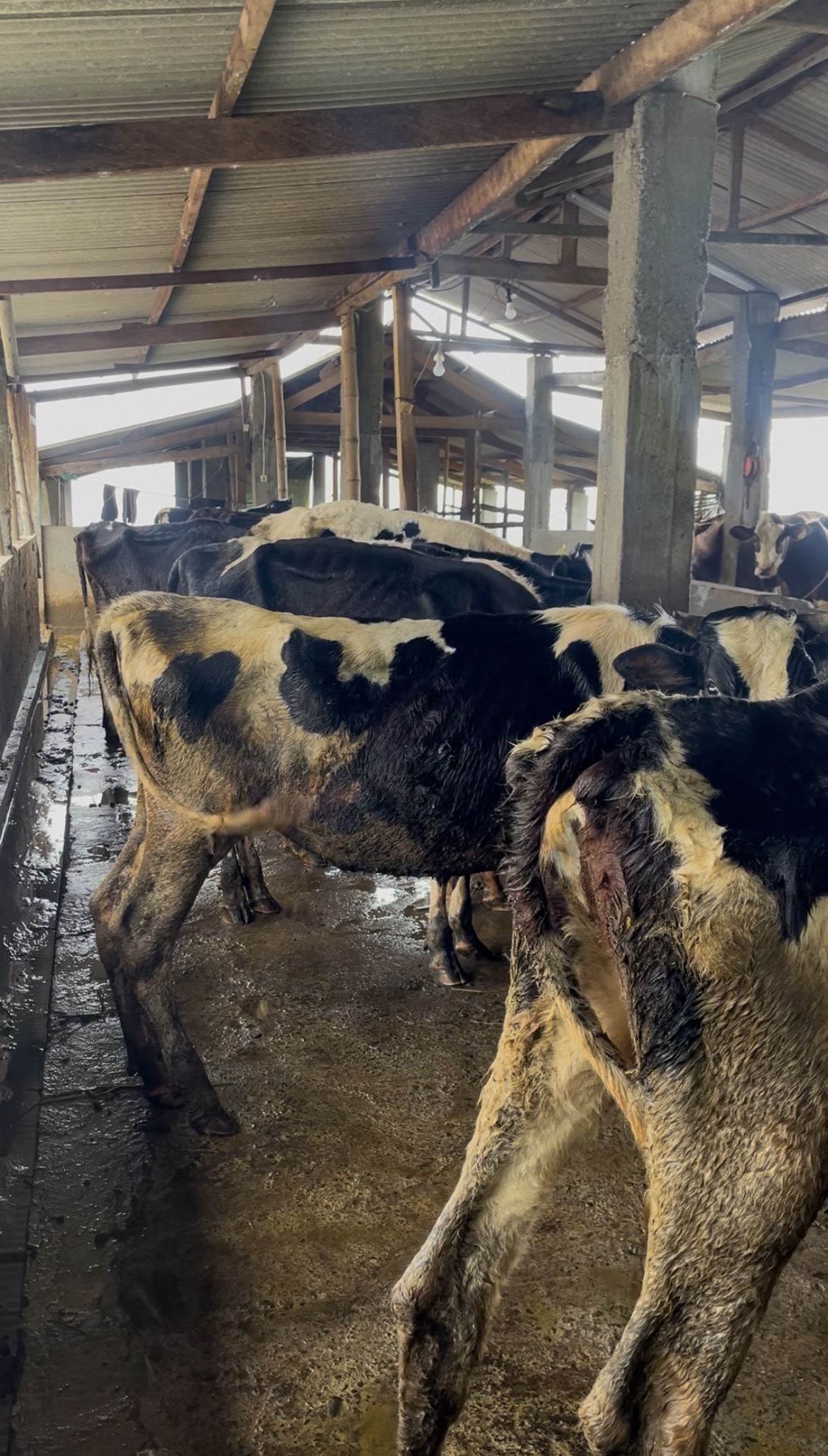
Cattle are large animals that spend most of their time standing and lying down. In beef cattle and feedlots weighing 700 kg to over 1 ton, the pressure on their legs and joints is enormous. If the barn floor is unsupportive, the effects can include stress, lameness, injuries, and even decreased appetite.

Why is Cage Comfort So Important?
The comfort of the cage has a direct impact on:
- Duration of cow lying down
  • - Quality of rest
  • - Joint and nail stability
  • - Appetite
  • - Daily weight gain
  • - Risk of injury
    Comfortable cows will lie down more often. When cows get enough rest, their metabolic and growth systems function optimally. Conversely, cows that rarely lie down often experience leg pressure or feel insecure about the condition of the pen floor.

If left untreated, this condition can cause:
- Lame
  • - Wound on the knee
  • - Nail infection
  • - Stress crown
  • - Weight loss

  • It all comes down to one thing: loss.

Common Problems with Traditional Cage Floors
Many cages still use rough cement or hard floors without additional flooring. Problems that often arise:
1. Surface is too hard
The cow's heavy weight exerts direct pressure on the joints without any cushioning. Over time, this can lead to inflammation and injury.
2. Slippery Floor
Cows are prone to slipping, especially when standing or sitting. Fall injuries can be fatal in large cattle.
3. Poor Drainage
Urine and remaining fluids do not drain quickly, making the cage damp and smelly.
4. Pungent Smell
Excess moisture accelerates the formation of ammonia which interferes with the cow's breathing.
5. High Maintenance Costs
Cracked floors, worn cement, periodic repairs, and even the cost of treating sick cows.

This problem is often considered “normal”, even though it can actually be prevented.

Financial Impacts That Are Often Unrecognized
The losses resulting from suboptimal housing aren't always immediately apparent. However, if calculated:
- Lame cow → slow growth
  • - Decreased appetite → FCR worsens
  • - Wounds & infections → drug costs
  • - Heat stress → decreased feed consumption
  • - Smell of the barn → unhealthy work environment
    In the long run, these hidden costs far outweigh the investment in a better housing system.


Modern Cage Systems: Based on Comfort and Efficiency
Modern farming is shifting to a convenience and efficiency-based approach.
The goal:
- Reduce the risk of injury
  • - Increase the duration of lying down
  • - Maintaining foot stability
  • - Optimizing weight gain
  • - Reducing environmental stress
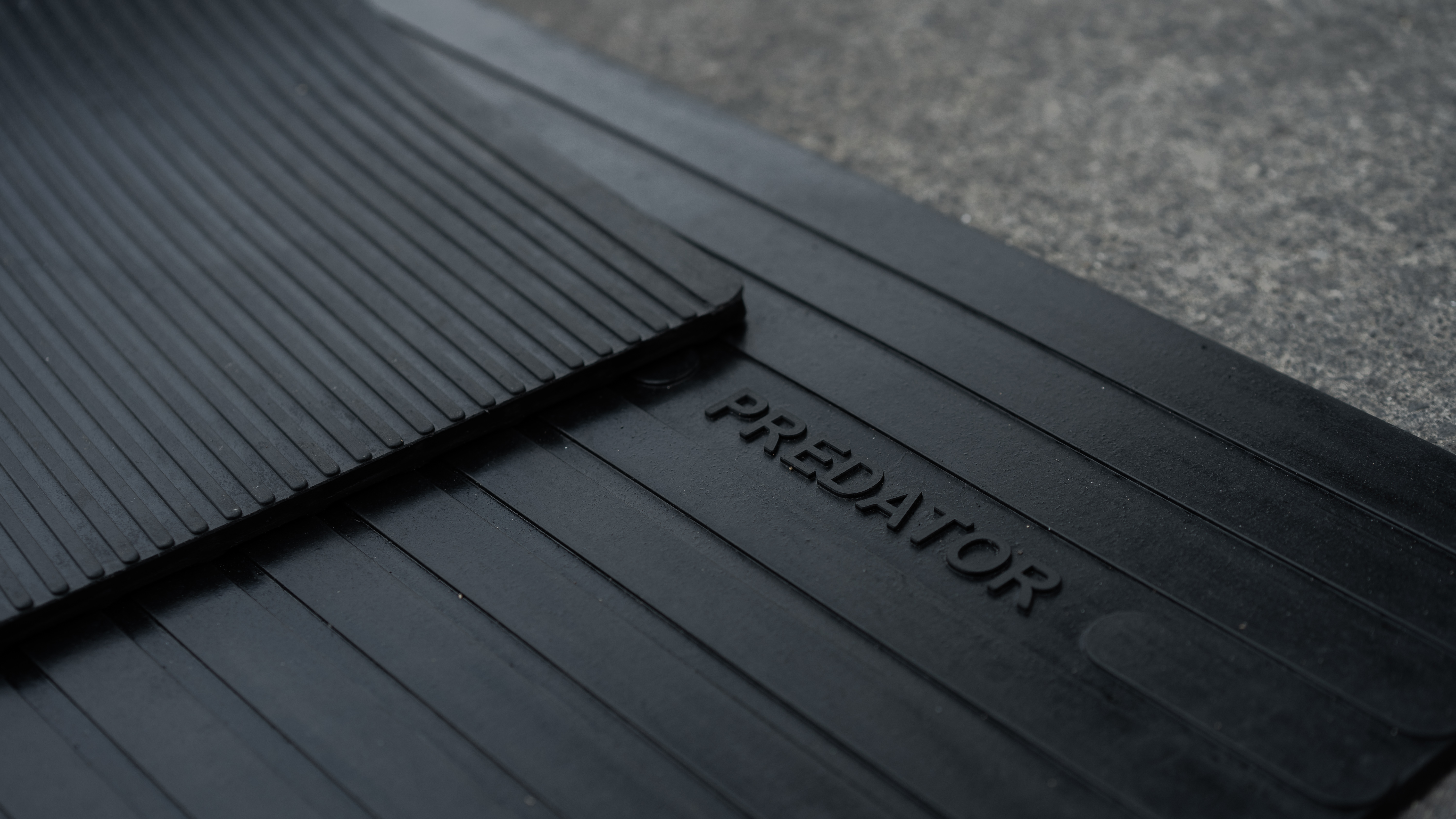
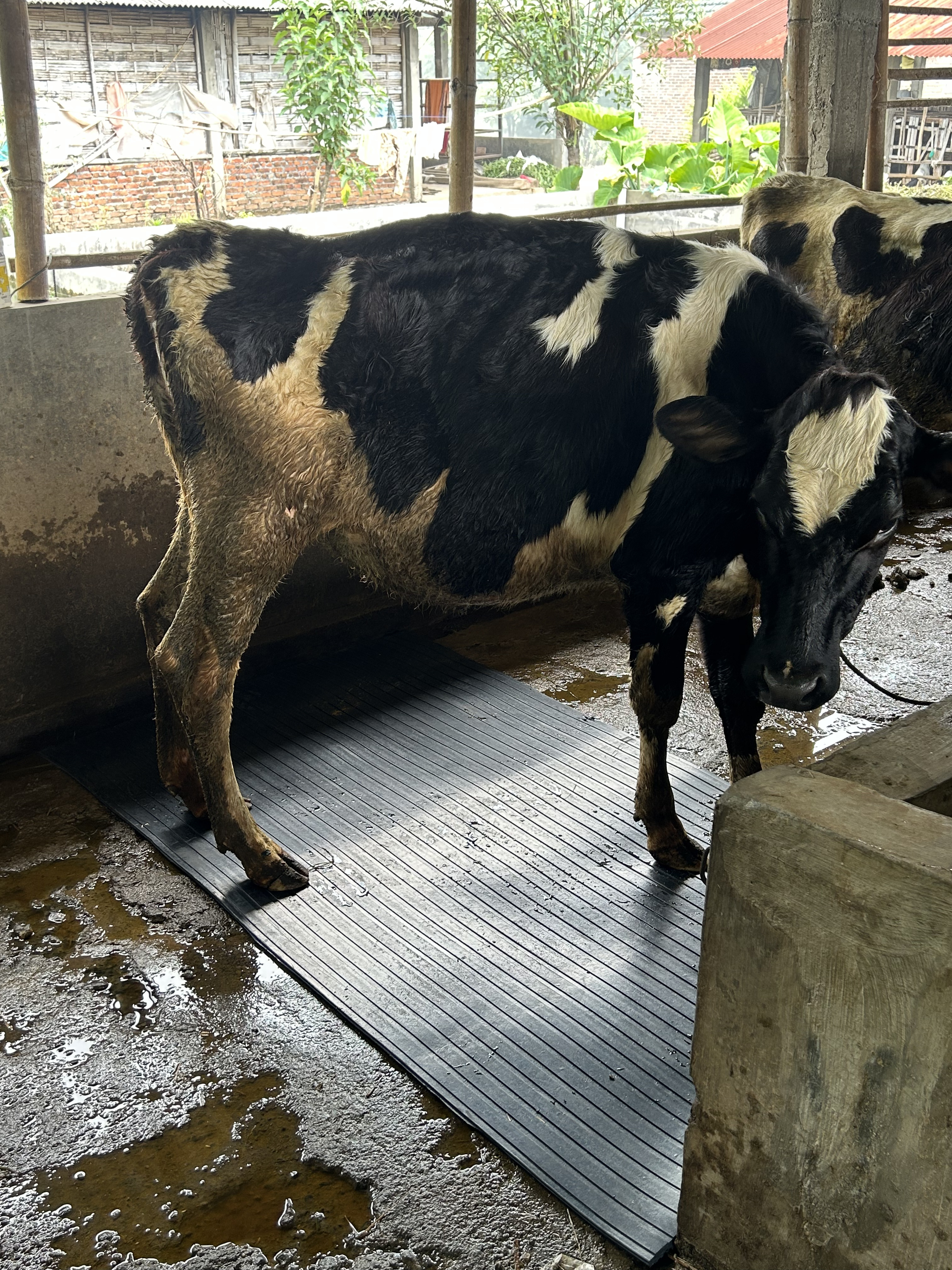
    One important component in this system is the use of an elastic floor layer that is able to absorb the pressure of the cow's weight.

The Role of Elastic Flooring in Productivity
Elastic floor covering helps:
- Absorbs pressure when the cow stands
  • - Reduces impact when lying down
  • - Prevent slippage
  • - Keeping the floor temperature stable
  • - Improve overall comfort
    Cows that feel safe when getting up and sitting will be more relaxed. A stable psychological state significantly impacts growth performance.

Impact on Weight Gain
Comfortable cows tend to:
- Eat more often
  • - Longer break
  • - Not easily stressed
  • - Minimal injury
    All of these factors directly correlate with Average Daily Gain (ADG). In a fattening business, small daily differences can make a big difference over several months.

Impact on Sales Value
Approaching the high demand season such as Eid al-Adha, the physical condition of the cow greatly determines the selling price.
Cows with:
- Strong legs
  • - Not lame
  • - Well developed muscles
  • - Clean body without wounds
    It will be easier to sell and more highly valued.
    A good cage helps maintain peak physical condition until the day of sale.


Long-Term Investment, Not Expense
Many farmers view upgrading their housing system as an additional expense. In fact, it's a long-term investment that:
- Reduce the risk of loss
  • - Increase feed efficiency
  • - Minimize medical costs
  • - Increase selling value
  • - Strengthening the farm's reputation
    The modern approach to animal husbandry is not just about increasing the number of cattle, but optimizing quality and systems.


Conclusion
Cattle productivity isn't solely determined by feed and genetics. A comfortable, safe, and efficient housing system plays a significant role in maintaining cattle performance.
Farms that want to thrive must start paying attention to a detail that is often taken for granted: the floor of the barn.
Because that's where health, comfort, and profit begin.
Share Article

Predator Rubber Team

Our expert team is dedicated to providing quality information about livestock farming and animal welfare.

Expert in Animal Welfare & Quality Products

Related Articles

The Importance of Bedding in Cattle Farming: Not Just an Ordinary Floor

The Importance of Bedding in Cattle Farming: Not Just an Ordinary Floor

Many people still assume that a cement or dirt floor is sufficient for a cow shed. However, the condition of the bedding plays a significant role in the health, comfort, and productivity of livestock. In modern animal husbandry, the use of cow rug is starting to become the new standard because it has been proven to provide many benefits.Why is Cage Lining Important?Cows are animals that spend most of their time standing and lying down. If the bedding in the pen is too hard, slippery, or damp, this can directly impact the cow's physical condition.Some of the risks of non-ideal bedding include:- Wounds on the feet and joints- Cows slip easily- Stress due to discomfort- Decreased appetite- Decreased productivityThis is the reason why choosing a cage base should not be taken lightly.The Impact of Uncomfortable CagesUncomfortable housing often causes problems that farmers don't realize they're experiencing. For example, cows may appear healthy but grow slowly, or milk production may not be optimal.This can happen because:- Excessive pressure on the cow's feet- Wet and dirty cage environment- Lack of comfort during restIn the long term, this condition can increase treatment costs because cows are more susceptible to disease.Modern Solution: Cow RugAs a solution, many farmers have begun using cow carpets as bedding for pens. These carpets are specially designed to provide comfort and safety for livestock.Some of the main functions of cow rugs:- Reduce pressure on the cow's legs- Provides a more stable surface (not slippery)- Keeping the cage drier- Helping cows rest more comfortablyWith better barn conditions, cows tend to be healthier and more productive.Understanding Cow Carpet ThicknessNot all cow rugs have the same specifications. Thickness is an important factor to understand:- 12 mm→ suitable for standard use- 14 mm→ more comfortable for medium to large weight cattle- 16 mm→ the best choice for maximum comfort and high durabilityThe thicker the carpet, the better it is at absorbing pressure and providing comfort.Education for Farmers: An Investment, Not an ExpenseMany farmers still consider using cow mats an additional expense. However, when viewed from a long-term perspective, it's an investment.With a good cage base:- Reduced risk of injury- Medical costs can be reduced- More optimal cattle growth- Increased productivityThis means that initial expenses can be returned in the form of greater profits.ConclusionThe quality of bedding in a livestock farm significantly impacts the success of a livestock business. Using cow mats is not only about comfort, but also about maintaining livestock health and increasing production.A successful farm is one that pays attention to the small details—because that's where the big results come from.

Read More
Premium Cow Shed Carpet: A Comfortable Solution for Healthier and More Productive Cows

Premium Cow Shed Carpet: A Comfortable Solution for Healthier and More Productive Cows

What is a Cow Shed Carpet?Cow stall mats are special mats made from high-quality rubber used to improve comfort and hygiene inside the stall. These products are designed to reduce the risk of injury, maintain hygiene, and improve overall livestock performance.Benefits of Cow Shed Carpets for Farmers1. Improve Cow HealthThe soft carpet surface helps reduce pressure on the cow's feet, thereby minimizing the risk of injuries and foot diseases such as lameness.2. Cleaner and More Hygienic CagesRubber carpets do not absorb dirt, so they are easier to clean than regular cement floors.3. Reducing Stress in LivestockComfortable cows will be calmer, less stressed, and have a direct impact on increasing the weight and quality of production.4. More Durable and Long LastingPremium carpets have high resistance to heavy pressure and humid cage conditions.Why Should You Use Cow Shed Carpets Directly from Manufacturers?Buying directly from the manufacturer offers many advantages:- More affordable prices without intermediaries- Quality assured with strict QC process- Can customize the size according to cage needs- Direct consultation support from expertsCharacteristics of Quality Cow Shed CarpetsBefore purchasing, make sure the carpet has the following specifications:- Ideal thickness (12mm, 14mm, up to 16mm)- Anti-slip surface (not slippery)- Not easy to crack or break- Elastic yet strong- Resistant to water and cage wasteComparison of Cow Carpet ThicknessChoosing the thickness of the cow shed carpet is very important because it directly affects the comfort and durability of use.Carpet with thickness 12mm It's usually the most economical option. It's suitable for small-scale farms or for farmers just starting to invest in comfortable housing.Meanwhile, the thickness 14mm It offers a balance between price and quality. This type is widely used by medium-scale livestock farmers because it is soft, strong, and durable enough for daily use.For maximum needs, carpet with thickness 16mm is the best choice. This carpet is softer, more resistant to heavy pressure, and is ideal for intensive farming where cow comfort and long-term durability are paramount.The Impact of Carpet Use on Cattle ProductivityMany farmers are beginning to realize that the comfort of their pens significantly impacts livestock production. By using carpets:- Cows rest more often- Increased appetite- More optimal growth- The risk of loss due to injury is reducedConclusionCow barn carpeting is not just an accessory, but a crucial investment in improving the quality of livestock farming. By choosing the right product, farmers can improve efficiency, livestock health, and long-term profitability.

Read More
A Commonly Overlooked Breeder Mistake: Cage Floors That Are Too Slippery

A Commonly Overlooked Breeder Mistake: Cage Floors That Are Too Slippery

Many farmers focus on cattle feed and health, but often forget about the condition of the barn floor. However, floors that are too slippery can be a major cause of stress, injury, and even difficulty standing comfortably.Therefore, the use of cow shed rubber carpet started to become the choice of many modern breeders to improve the safety and comfort of livestock.The Impact of Slippery Cage FloorsCattle are heavy animals that require stable footing every day. Slippery stall floors increase the risk of slipping, especially when the stall area is wet or contaminated with manure.This condition can cause:- Wounds on cow's legs- The cow had difficulty standing.- Decreased appetite- Stress in livestock- Cow activity becomes uncomfortableIn the long term, poor cage conditions can also affect livestock productivity.Solution with Anti-Slip Cow CarpetOne of the solutions that is widely used today is the installationanti-slip cow carpet.Rubber mats help create a more stable and comfortable footing for cows.Besides reducing the risk of slipping, rubber mats also help reduce pressure on cows' feet when standing for too long.Advantages of Rubber Carpets for CagesHere are some reasons why many farmers are starting to use cow shed carpet:1. Safer Surfaces    The anti-slip texture helps cows move more stably in the pen.2. More Comfortable for Livestock    The rubber material feels softer than regular cement floors.3. Durable and Strong    Quality carpets have high resistance to heavy loads.4. Easy to Clean    Cage maintenance becomes more practical and efficient.5. Suitable for Various Types of Cages    Can be used for beef cattle and dairy cattle pens.Small Investment for Big ImpactSome farmers still consider cow mats a mere addition. However, comfortable barn facilities can help maintain optimal livestock conditions.Use quality cowhide rubber carpetIt's not just about comfort, but also a step towards creating a safer, more modern and more efficient livestock system.

Read More
The Impact of Barn Cleanliness on Milk Quality and Grading

The Impact of Barn Cleanliness on Milk Quality and Grading

Barn cleanliness has a direct impact on the quality of milk produced by dairy cows. Dirty and humid barn environments increase exposure to pathogenic bacteria, particularly those originating from manure and urine. These conditions raise the risk of milk contamination during milking, increase the Total Plate Count (TPC), and elevate the likelihood of mastitis, which is one of the main causes of declining milk grades.Poor barn hygiene also affects cow comfort. Cows that frequently lie on wet or dirty floors are more prone to udder infections and skin lesions. As a result, milk quality declines, bacterial levels rise, and milk may be rejected or priced lower by dairy processors. FAO states that poor barn hygiene practices are directly correlated with higher incidences of both clinical and subclinical mastitis in dairy cows.Maintaining barn cleanliness does not have to be complicated. Regular cleaning, proper drainage systems, adequate ventilation, and the use of bedding that is easy to clean and remains dry can significantly reduce contamination risks. A clean barn supports healthier cows, better milk quality, and more consistent milk grades, ultimately having a direct impact on farmers’ income.

Read More
Link copied successfully!